FMDQ turnover hits N551.23trn in nine months as FX and OMO trading lead
FMDQ exchange turnover reached N551.23 trillion in the first nine months of 2026, about $403.08bn, with FX and OMO instruments accounting for nearly two-thirds of an average daily N3.03trn.
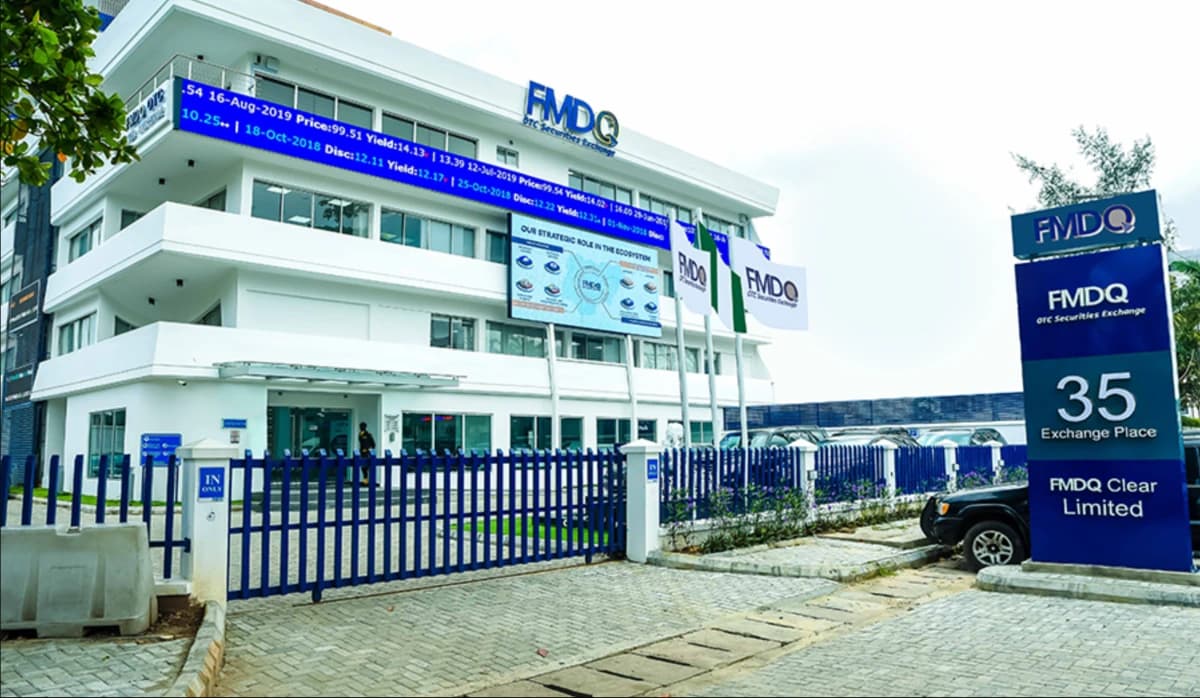
Trading turnover on Nigeria's FMDQ Securities Exchange reached N551.23 trillion in the first nine months of 2026, equivalent to about $403.08 billion, with foreign-exchange and Open Market Operations instruments accounting for nearly two-thirds of all activity, the exchange's January-September market turnover report for the period, based on data as of October 5, shows.
The report, analysed by Nairametrics, records an average daily turnover of about N3.03 trillion, or roughly $2.22 billion, across 182 business days, underscoring how far depth in the domestic financial market has travelled in the reform era. The dollar equivalent is based on FMDQ's average exchange rate of N1,367.68 per dollar and does not imply that every transaction was dollar-denominated.
What is powering the volume
Foreign exchange and OMO bills dominate the mix, a storyline the domestic money market has been telling all year. Banks with massive system liquidity, which at times exceeded N6 trillion parked at the central bank's standing deposit facility, have been active in short-term instruments, while the naira's reformed FX regime has moved most of the dollar market, from investors to exporters, into the formal exchange's order books.
The pattern also reflects structural reforms. Since the 2023 unification of the FX windows, CBN sales of dollars in the official market have fallen to their lowest half-year levels since the records began in 2008, meaning that the private sector, not the central bank, now supplies the bulk of tradable dollars. That shift funnels activity through FMDQ's screens and explains, in part, how turnover is growing without central-bank intermediation doing the heavy lifting.
[irp]
What it says about market depth
Nine-month turnover of N551 trillion does not appear in an economy still battling inflation, non-oil export bottlenecks and a heavy fiscal deficit, without two supporting circumstances: excess system liquidity in the banking sector and an exceptionally attractive interest-rate environment that makes short-term instruments attractive to hold. Both apply in 2026, and both are byproducts of policy choices rather than an economic miracle.
The concentration of dealing activity among the largest banks is also telling. Market-making privileges and competitive advantages in market access reward players with balance-sheet scale, and the biggest Nigerian lenders occupy most of the turnover volume. Whether that concentration narrows as more participants gain access to the exchange's dealing infrastructure will shape how competitive pricing is over time.
[irp]
Linking liquidity to the real economy
Trading infrastructure alone cannot deliver economic growth. Deep, well-functioning FX and money markets reduce the cost of capital for the real sector by improving price discovery and cutting transaction friction: corporates buying MRO inputs and paying vendors are better served with dependable rates than with the parallel-market uncertainty that reigned before reform.
The risk to watch is that liquidity parked at the central bank and traded between banks produces financial-market activity that does not translate into private credit. Nigerian commercial banks' lending to the real sector remains low as a share of GDP, and loan growth has been dominated by government securities holding, an area the recent CBN moves to adjust banks' liquidity requirements is intended to correct. Whether FMDQ's record turnover is followed by rising corporate lending is the test the fourth-quarter data will start answering.
[irp]
The fourth-quarter outlook
Turnover for the full year will be decided by the interplay of three instruments: FX flows, which accelerate into year-end on trade payments and dividends; OMO and Treasury bill trading, which depend on the central bank's liquidity mop-up pace; and bond activity, which has been repricing higher as the DMO's expanded fourth-quarter borrowing programme executes. Any of them can define the next quarter's numbers.
For market participants, the record already marks an achievement for the revamped FMDQ infrastructure and its commission-rate model, but the more important test for the Nigerian financial system will always be whether that depth delivers cost-of-capital benefits to productive companies rather than remaining a high-velocity marketplace for parked liquidity.
[irp]
Up next
Standard Chartered confirms Adelagun as Nigeria CEO amid foreign-bank reset
The local appointment signals continuity at a key trade-finance bank as foreign lenders reassess risk, capital and growth in Nigeria.
More in Finance
See all
CBN grants JPMorgan approval-in-principle to set up merchant bank in Nigeria
The Central Bank of Nigeria granted approval-in-principle for JPMorgan Merchant Bank Nigeria Limited on October 23, 2026, with the MD nominee and board cleared, after the bank deposited N50bn under its application.
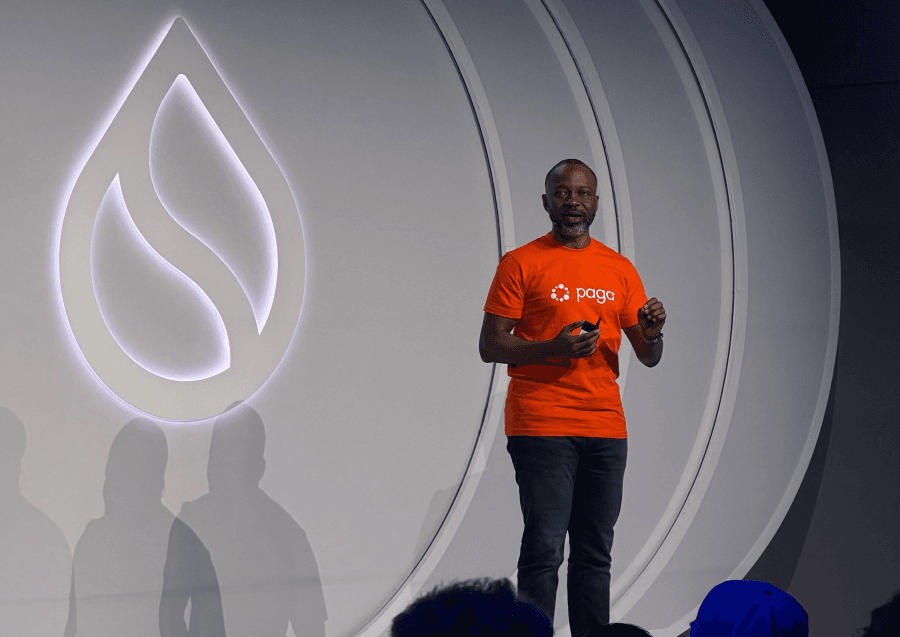
Stablecoins could unlock capital trapped in cross-border payments, Paga CEO says
Digital dollar tokens promise faster, cheaper settlements, but regulation, reserve risk and conversion costs remain unresolved.
CBN’s 350bps reset fails to pull market yields below 17%
Policy easing has not lowered market borrowing costs, exposing weak transmission and the premium investors demand for inflation and currency risk.
About the author
Musa Abdullahi
Finance Correspondent
Musa Abdullahi writes for BusinessPress.