Europe’s diesel and jet fuel supplies stay tight as refinery gaps bite
Refinery closures, sanctions and strong demand are keeping European product markets tight, with knock-on effects for African importers.
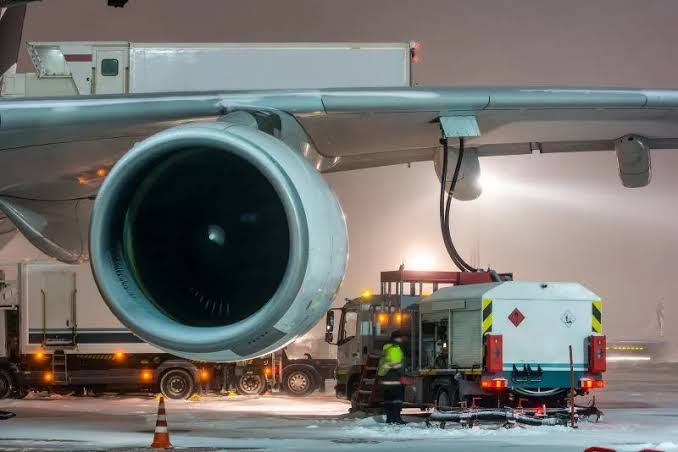
European diesel and jet fuel supplies remain tight, according to Rigzone, as refinery disruptions, sanctions and strong demand strain the continent’s product markets. The shortage is pushing up prices and forcing buyers to look further afield for supply.
Europe has lost refining capacity in recent years as older plants closed or converted to other uses. At the same time, demand for diesel and jet fuel has recovered as transport and aviation activity normalize.
The result is a market that depends heavily on imports from the Middle East, India, the United States and other regions. Any disruption to those flows can tighten supply quickly.
Why supplies are tight
Refinery outages, both planned and unplanned, have reduced output. Maintenance delays and technical problems can take plants offline for weeks.
Sanctions on Russia have redirected trade flows. Europe used to import large volumes of Russian diesel, but it has had to replace them with supplies from other producers.
Shipping costs have risen because of longer routes and geopolitical risk. That adds to the cost of imported fuel.
The impact on prices
Tight supply has pushed up diesel and jet fuel prices relative to crude oil. That benefits refiners with available capacity but hurts consumers and industries that rely on these fuels.
Airlines face higher fuel costs, which can lead to higher ticket prices or reduced routes. Trucking companies and farmers also feel the squeeze.
Inflationary pressure is a concern. Diesel is used for transport, logistics and power generation, so higher prices can feed through to the wider economy.
What it means for Africa
African countries import refined products, including diesel and jet fuel. Higher European prices can raise import costs and strain foreign-exchange reserves.
Nigeria is in a better position than before because the Dangote Refinery can supply some domestic demand. But the country still imports some products and is exposed to global prices.
Other African countries without large refineries are more vulnerable. They may face higher fuel costs and potential shortages if suppliers prioritize Europe.
The refinery response
Refiners are running at high utilization rates to capture strong margins. Some are delaying maintenance to keep producing, which can lead to reliability problems later.
New refinery capacity in the Middle East, Asia and Africa could ease tightness in the medium term. But projects take years to build and often face delays.
Biofuels and synthetic fuels are alternatives, but they are not yet available at scale.
The risks
A major refinery outage or a geopolitical escalation could push prices even higher. A warm winter or a slowdown in industrial activity could reduce demand and ease pressure.
Policy changes, such as sanctions or trade restrictions, can also disrupt flows. The market is sensitive to headlines.
For consumers, the risk is higher fuel costs and inflation. For refiners, the risk is that margins normalize before new capacity comes online.
The outlook
European product markets are likely to remain tight in the near term. The structural loss of refining capacity and the shift away from Russian supply are long-term trends.
Prices may stay elevated until new capacity is built or demand adjusts. That could take years.
For Nigeria, the situation reinforces the value of domestic refining. A reliable local supply reduces exposure to global product-market shocks.
Up next
Qatar US gas deal shows Iran war reshaping global energy markets
The LNG transaction highlights energy-security hedging as Middle East conflict raises risks for Gulf supply and shipping.
More in Economy
See all
FDI at 1.3% of inflows puts Nigeria’s $1 trillion economy goal at risk
Foreign direct investment remains a tiny share of capital inflows, exposing the investment-climate gap behind Nigeria’s growth ambitions.
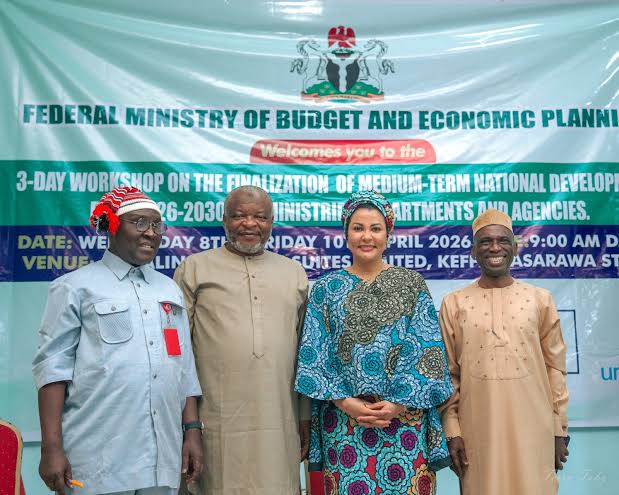
FG finalises 2026–2030 development plan with $1 trillion economy target
The new five-year plan prioritises infrastructure, human capital and manufacturing, but its credibility depends on financing and execution.

Lagos-Calabar Coastal Highway targets three-year completion, Umahi says
The coastal highway could cut logistics costs and open new corridors, but financing, land disputes and delivery risks cloud the timeline.
About the author
Kelechi Nwachukwu
Business Reporter
Kelechi Nwachukwu writes for BusinessPress.