FG commissions six transmission substations in Kano, Katsina, adding 640MW
The Federal Government on October 24, 2026 commissioned six transmission substations adding 640MW to the grid, comprising four sites in Kano State totalling 544MW and two 60MVA stations in Katsina State.
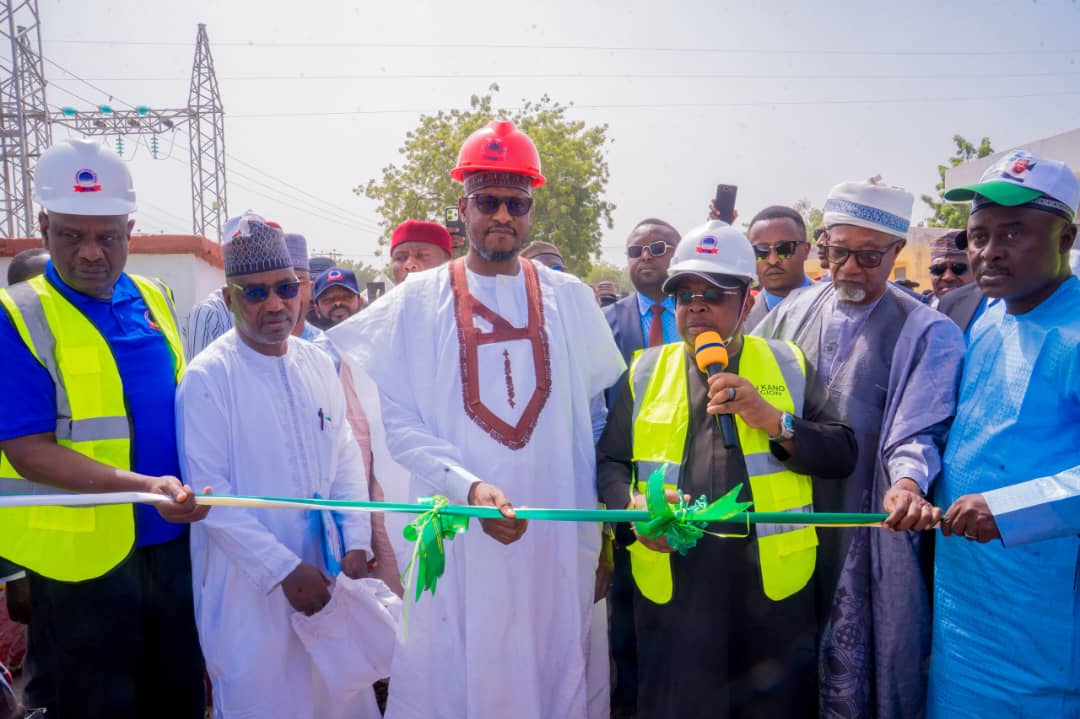
The Federal Government has commissioned six transmission substations in Kano and Katsina states, adding 640 megawatts of transmission capacity to the national grid, the Ministry of Power announced on Saturday, October 24, 2026, saying the project will improve the network's ability to move available electricity to distribution companies and consumers in the two states.
The installations comprise four substations at Walalambe, Kumbotso, Dakata and Dan-Agundi in Kano State, which together add 544 megawatts, plus two 60-megavolt ampere substations in Kankia Local Government Area of Katsina State contributing another 96 megawatts. The commissioning ceremonies were held during the week, and the additional capacity targets improved evacuation of generation and more reliable delivery to industrial and residential customers in the north-west.
Why transmission capacity is the binding constraint
Nigeria's electricity problem is frequently described as one of generation shortfalls, but operators and regulators have repeatedly identified transmission as the choke point that strands whatever is generated. The country's available generation and its distribution capability are both limited by how much power the transmission company of Nigeria can consolidate and wheel, which is why announcements of added transmission capacity carry sector-wide weight far beyond their megawatt count.
That limitation became visible again in October's data: generation reportedly plunged to about 476.70 megawatts from 3,840 megawatts earlier in the day on October 19, according to grid-monitoring figures and widely carried by energy-sector trackers, before the system was restored later that day. The recovery confirmed the systemic fragility, and every incremental substation capacity is designed to reduce the load-shedding or spill risks that events like those expose.
[irp]
Part of a broader infrastructure drive
The commissioning sits inside a series of transmission investments running under the Presidential Power Initiative, which is being executed with Siemens Energy and includes substation modernisation work in several states, alongside discrete projects funded by the Federal Government.
The programme also matters for the metering and collection economics underneath grid performance. Nairametrics reporting shows that Nigeria installed 707,765 electricity meters in the first half of 2026, up about 71 per cent from 412,792 in the same period of 2025, although more than 4.8 million active registered customers remained unmetered at the end of June, keeping estimated billing a live revenue risk for distribution companies whose remittances underpin the entire value chain.
[irp]
What it could mean for customers
For businesses in the north-west, better transmission capacity reduces the frequency of system-driven outages and the need to rely on self-generation at diesel-burning cost. Concrete gains will depend on distribution-side investments, tariff and service obligations in specific supply areas, and how quickly the DisCos are able to lift their own network limits on receiving the added power.
The grid data will tell the story more clearly than announcements. If average daily generation dispatches north-west of the national dispatch levels in coming weeks, and Kano and Katsina feeders report fewer load-shedding interruptions, the six substations will have delivered the improvement their commissioning celebrates. If those numbers do not move, the binding constraint will shift further downstream to distribution and gas availability, the areas the Ministry of Power has already flagged as its next priorities.
[irp]
The investment mathematics
Each megawatt of usable transmission capacity supports productive capacity without diesel import cost and reduces system losses. At current diesel prices, which include depots charging above N1,800 per litre after last week's surge, businesses running backup generators outside the network stand to make significant savings when grid supply becomes dependable, a shift that improves their competitiveness and lowers aggregate import bills for the economy.
The six-substation programme also fits the electricity market's regulatory direction, in which the Federal Government is pushing states and the Transmission Company of Nigeria to plan capacity around verified local constraints. For investors tracking the power sector's reform path, capacity announcements in transmission and their delivery on schedule will remain the leading indicator of whether Nigeria's electricity investment cycle is durable or discretionary.
[irp]
Up next
CBN grants JPMorgan approval-in-principle to set up merchant bank in Nigeria
The Central Bank of Nigeria granted approval-in-principle for JPMorgan Merchant Bank Nigeria Limited on October 23, 2026, with the MD nominee and board cleared, after the bank deposited N50bn under its application.
More in Economy
See all
Depots crash petrol prices across Nigeria even as diesel surges N110 per litre
Petrol depot prices fell in Lagos, Port Harcourt and Calabar last week while diesel jumped by as much as N110 to N1,900 per litre, and Dangote Refinery suspended diesel loading pending a price review.

Tinubu, Macron postpone French state visit to Nigeria until 2027
The delayed visit postpones trade and investment announcements, testing Nigeria-France economic diplomacy amid shifting alliances.

Jollof rice now takes 37% of minimum wage as food inflation bites
The cost of a staple meal exposes how food inflation is squeezing Nigerian households and undermining the real value of the minimum wage.
About the author
Tunde Balogun
Economics Correspondent
Tunde Balogun writes for BusinessPress.
More by Tunde Balogun