
Cocoa Exporters Lose N10-12bn to Lagos Port Delays, COPAN Warns
Six months of NPA approval bottlenecks plus Ondo labour costs doubling to N5,000-N6,000 a day have squeezed Nigeria’s second-biggest non-oil export earner.
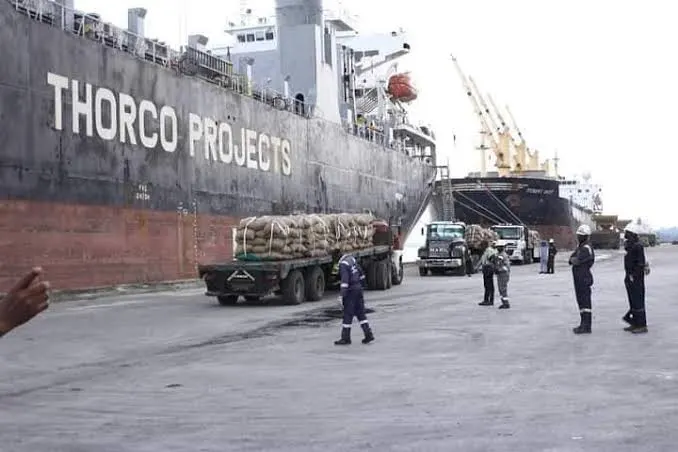
Cocoa exporters, shippers and shipping agents lost between N10 billion and N12 billion over the last six months to unprecedented delays in getting export containers offloaded at the Lagos ports, the Cocoa Processors Association of Nigeria has said, warning that the same operational drag is pushing Nigeria's second-most-important non-oil export toward breaches of international delivery contracts at a time when global cocoa prices are already falling.
COPAN chairman Otunba Felix Oladunjoye detailed the loss estimate at a press conference in Lagos, citing delays in Nigerian Ports Authority approvals for export-container offloading plus demurrage, storage and truck-detention costs. He warned that the delays could cause "breaches of international cocoa purchase and delivery contracts", disrupt terminal scheduling and cause foreign-exchange losses, and he pressed the federal government and the Marine and Blue Economy ministry to intervene before the new crop moves through the ports.
The port problem in an already-soft market
The operational alarm lands in the worst possible price setup. New York cocoa futures fell as much as 5.2 per cent in the week to Friday, touching a one-month low of $5,192 a tonne as exchange-monitored inventories in the United States hit a two-year high, and London futures tracked the same slide. Global processing data has been unimpressive, and falling prices amid production fears "are likely to reflect concerns about demand," as a Reuters commodity summary noted over the weekend. Nigeria's exporters, already earning less per tonne, are simultaneously paying for a ports logistics chain that cannot shift their crop in time to protect the contracts.
The daily-wage arithmetic on the farm compounds the squeeze. Ayodele Ojo, national president of the Cocoa and Plantain Farmers Association of Nigeria, told LEADERSHIP Weekend that daily farm labour rates in Ondo had doubled from N2,000–N2,500 to N5,000–N6,000, with rising chemical and input costs and rural insecurity making cocoa farming "increasingly expensive." Ondo produces about 30 per cent of Nigeria's roughly 340,163 tonnes of annual cocoa output, so the state's cost curve is effectively the national one.
What competition is doing to Nigeria's ranking
Nigeria currently sits fourth among global producers behind Côte d'Ivoire at about 2.2 million tonnes, Ghana and Indonesia — a ranking the industry fears it will lose if the cost squeeze continues. Ojo called for timely, affordable inputs, dedicated producer-finance support and more local processing so that Nigeria captures margin beyond the raw-bean trade. Industry groups have long argued that the N2.5 trillion global chocolate market pays far less of a premium to Nigeria's role than its bean quality earns, because Nigerian exports flow overwhelmingly raw and unprocessed.
The settlement argument has a specific timing problem this season. Mid-crop arrivals move through the ports between October and the harmattan window, and any operational delay — port approval bottlenecks, truck queues, terminal strikes — shifts exporters into contract-breach risk, since the receipts on which Nigerian export finance, FX hedging and bank lending are anchored depend on delivery promises that international buyers have priced. Losing a delivery means contractual penalties in the short term and, over seasons, a buyer's standing that costs premium pricing.
The FX dimension and worldwide price risk
Nigeria's cocoa is the second-largest single foreign-exchange earner in the non-oil basket and, as prices slide toward $5,200-$5,400 in New York on the world market, the country's earnings per tonne are compressing. A cocoa price tension of 14-15 per cent relative to the highs of the 2025-26 season shaves the currency-earnings arithmetic that Nigeria had priced into forward planning for non-oil receipt assumptions used by both the fiscal side and exporters' banking partners in financing the 2026-27 trade season.
The port delay's own depreciation makes that equation worse. Paying N10-12 billion in demurrage, storage and truck-detention over six months is effectively a self-imposed tax on an export line that is already thinner because of price direction. For 2026-27, as West African weather scares build across the whole supply chain, getting Nigeria's beans to their foreign buyers has become a value proposition as powerful as the consumer's price-per-tonne price bid — and the country's export machine is, by industry testimony, losing both outcomes.
What the government's response must now address
The industry's ask is directed and immediate. Oladunjoye is asking for Marine and Blue Economy ministry intervention in the NPA approval process and faster operational approvals at the ports; Ojo is asking for input-cost subsidies or credit targeted at the farm-gate economics that double-wage environment is squeezing. The practical reforms involve real deployments of the standard reform package that has trailed Nigerian trade competitiveness for a decade: port-state digitization, harmonised customs bond clearance, truck-appointment scheduling for export containers and premium infrastructure for agri-specific perishables.
Given that the cocoa trade generates Nigeria's second-highest non-oil FX flows and supports hundreds of thousands of rural livelihoods across Ondo, Cross River, Ogun, Osun and Edo, the stakeholders argue the sector deserves the operational priority the oil and gas export side has long taken for granted — even though it commands a fraction of the headline economy's attention each season the harvest comes in.
The cocoa sector heads into harvest season with a price falling worldwide, a port system that industry testimony says loses the country N10-12 billion every half-year, and farm-gate input costs that have doubled worker wages. Each hazard is solvable in isolation. Together, they form the supply-chain stress test that will define whether Nigeria's cocoa investment thesis — and its standing as a fourth-place producer — survives the 2026-27 trade cycle intact.
Up next
Analysis: The Fixed-Income Market’s New Taste for Nigerian Risk
Yields fell across the week even as the central bank absorbed N2.72 trillion - the signature of a market repricing Nigerian risk on credit, not liquidity.
More in Agriculture
See all
Indorama Lines Up $261m Fourth Fertiliser Train to Expand Nigeria’s Urea Export Base
The proposed fourth production line extends the company’s position among the world’s largest urea exporters — and pushes Nigeria’s gas-value-addition agenda further from rhetoric to capacity.

Ivory Coast Mid-Crop Could Halve as Harmattan Threat Builds Across West Africa
Industry estimates put the 2026/27 mid-crop at 300,000-350,000 tonnes, down 42-50 per cent, even as prices hover near one-month lows on the demand freeze.

Cocoa Futures Stabilise Over Two-Year-High Inventories as Demand Wanes
London and New York bounced after one-month lows but a fourth straight weekly loss and 2.5-year-high exchange stocks keep the structural repricing intact.
About the author
Abena Ofori
Agribusiness Correspondent
Abena Ofori writes for BusinessPress.
More by Abena Ofori


