
FAO Food Price Index Slips on Weaker Import Demand
The FAO Food Price Index falls to 133.9 in October from 135.6 as cereal, dairy and meat ease on soft import demand, though prices remain 5.9% above a year ago.
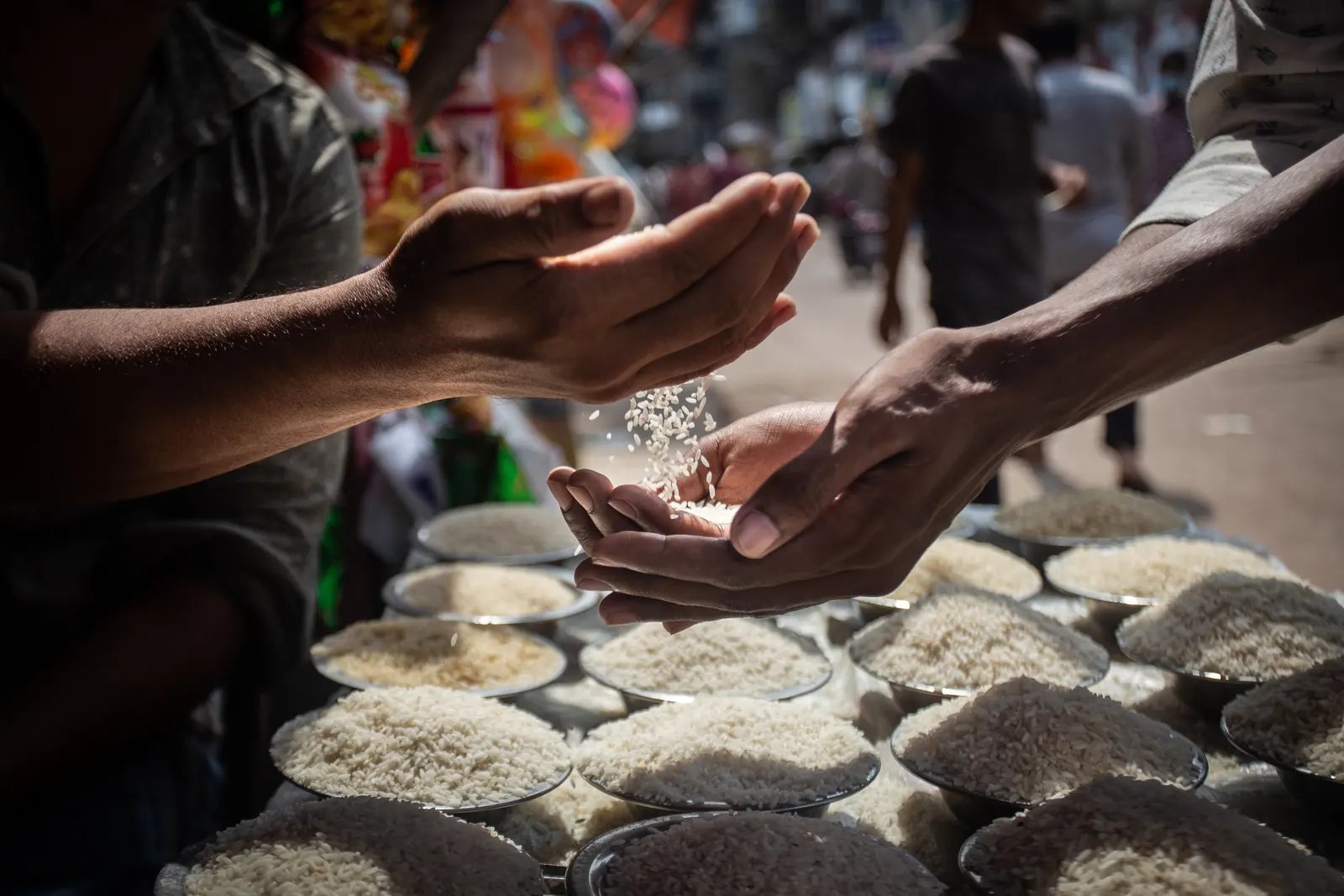
Global food prices fell slightly in October, the United Nations' Food and Agriculture Organization reported Friday, with its Food Price Index averaging 133.9 points — down from a revised 135.6 in September, driven by weaker import demand that pulled down cereal, dairy and meat prices. The index still stands 7.5 points, or 5.9 per cent, higher than a year earlier, and remains 16.4 per cent below its March 2022 peak — a mix of signals that lands with particular force on Africa's net food-importing economies.
The October decline breaks a string of firmer months and offers the first quantitative sign that demand destruction, not supply abundance, is doing the cooling. Weaker import demand is a precise phrase: buyers — from national grain agencies to industrial feeders — are retreating from international markets rather than suppliers out-producing them, and that distinction reshapes the world's food-import economics very differently for importers and exporters.
Why the October dip is demand-driven
Three demand-side forces converged in October. Global risk appetite deteriorated sharply as the AI-driven equity rout erased roughly $3 trillion from U.S. markets and this week's risk-off mood spread through commodity positioning — the Pro Farmer reporting notes that grains futures slipped to multi-month lows Thursday partly on likely fund liquidations. Crude's weekly collapse — a drop of more than 12 per cent by late week despite Friday's modest bounce — lowered the energy-price input in fertiliser, freight and crop production costs, reducing buyers' willingness to lock in distant cargoes at current levels.
The second is currency. The U.S. dollar index firmed through the week on safe-haven flows ahead of Friday's strong payrolls print, raising the effective local-currency cost of dollar-priced imports for everyone outside the greenback zone — a dynamic that historically hits African, South Asian and Middle Eastern import tenders hardest. The third is substitution: importers' planning around next week's USDA crop-report revisions has buyers holding back from fresh offshore purchases until updated production numbers clarify the season's supply.
The African economics of a 5.9 per cent year-on-year rise
The fine print that matters for Africa is the year-on-year comparison. Food prices up 5.9 per cent from October 2025 means that, averaged across the basket, the import bill keeps inflating in real terms for countries that buy food abroad in dollars. Nigeria, Egypt, Kenya and the Sahel economies collectively spend tens of billions of dollars annually importing wheat, sugar, dairy and edible oils, and each incremental percentage point on that bill is a direct transfer from local households — in the form of either higher prices or higher government subsidy costs.
The directional relief in October, however, is real. Cereal declines — wheat and other grains — directly address the largest imported staple line in African diets. Wheat futures have been under seasonal pressure, with Chicago December soft red winter wheat around $5.99 per bushel and analysts noting "little fundamental reason for grains to sustain rallies" at this time of year. For governments that have throttled food subsidies since 2022, a softening international basket relieves some fiscal pressure into 2027 budget planning.
What the supply picture says about 2027
The export-side data temper the relief. The record October harvest is abundant in some regions: Rosario lifted Argentina's wheat estimate to 23.8 million tonnes, the second-largest on record, and U.S. winter wheat planting was 83 per cent complete as normal. But downside risks are building in exactly the areas that would transmit through African import bills. Russia's winter grain sowing is at its slowest pace since 2013, running 25 per cent below the five-year average on low soil moisture and poor margins, according to SovEcon; a third of Ukraine's winter wheat area is in moisture deficit. Indonesia's palm oil output is projected down almost 9 per cent for 2027, to 53.69 million tonnes, by GAPKI, on drought-stressed Southeast Asian plantations — a negative for vegetable-oil importers including Nigeria and Kenya. And an El Niño pattern threatens both the Argentine harvest window and West African cocoa growing conditions through the dry season.
Fertiliser economics add a 2027 wrinkle. Nutrien, the world's largest potash producer, reported third-quarter earnings below expectations as financially squeezed farmers — notably in Brazil — delayed nitrogen purchases, a slower offtake that can cascade into lower 2027 crop intensity and, eventually, tighter grain supplies.
Strategic lessons for African import managers
The October print is, in effect, a buying window. Softer international prices, compressed energy costs and an improving Argentine supply outlook argue for strategic reserves building while the basket is cheap — the exact procurement doctrine the FAO's data supports but that fiscally constrained governments routinely miss. Countries that locked tenders during this dip will have hedged a meaningful share of their 2027 inflation exposure at 2026 prices.
The policy watchlist from here: next week's USDA supply-demand revisions, which could tighten or loosen the cereal narrative; the evolution of Russian winter-sowing damage, which would put a floor under wheat; palm oil output in Southeast Asia, which drives the edible-oil line closest to African kitchens; and, on the demand side, whether the equity-market turmoil continues to suppress commodity-side risk appetite or releases it in a rebound. A 16.4 per cent gap below the 2022 peak is comfortable — but the supply risks now stacking underneath that number are the most serious since the early war-inflation years, and Africa's food-importing treasuries would be wise to treat October's dip as an opportunity rather than a trend.
Up next
Proparco Backs Kenyan Food-Loss Fighter Farm to Feed
Proparco invests €150,000 in Farm to Feed, the Kenyan platform matching 5,500 farmers to institutional buyers and cutting reported food losses by 81%.
More in Agriculture
See allFG Reports 4.39% Agriculture Growth, Targets Lower Food Prices
Nigeria's agriculture sector grew 4.39% in the second quarter of 2026, its strongest momentum since 2021, the Federal Government said at World Food Day.
Nigeria Marks 2026 World Food Day With Innovation Drive as FMAFS, FAO Flag Off Activities
The Federal Ministry of Agriculture and the FAO begin World Food Day 2026 activities under the theme Innovate Today, Nourish Tomorrow, spotlighting innovation in Nigeria's food system.
FG Launches Project WHEAT-NESS to Strengthen Nigeria's Wheat Value Chain
The Federal Government's WHEAT-NESS programme targets value chain development, MSME support and a dedicated fund as annual wheat consumption and imports hit six to seven million metric tonnes.
About the author
Abena Ofori
Agribusiness Correspondent
Abena Ofori writes for BusinessPress.
More by Abena Ofori


