Nigeria's Cash Transfer Programme Hits 10.46 Million Households as World Bank Flags Gaps
Nigeria's N658.9 billion cash transfer programme has disbursed to 10.46 million households, but the World Bank has flagged gaps in coverage and targeting that could limit the programme's poverty impact.
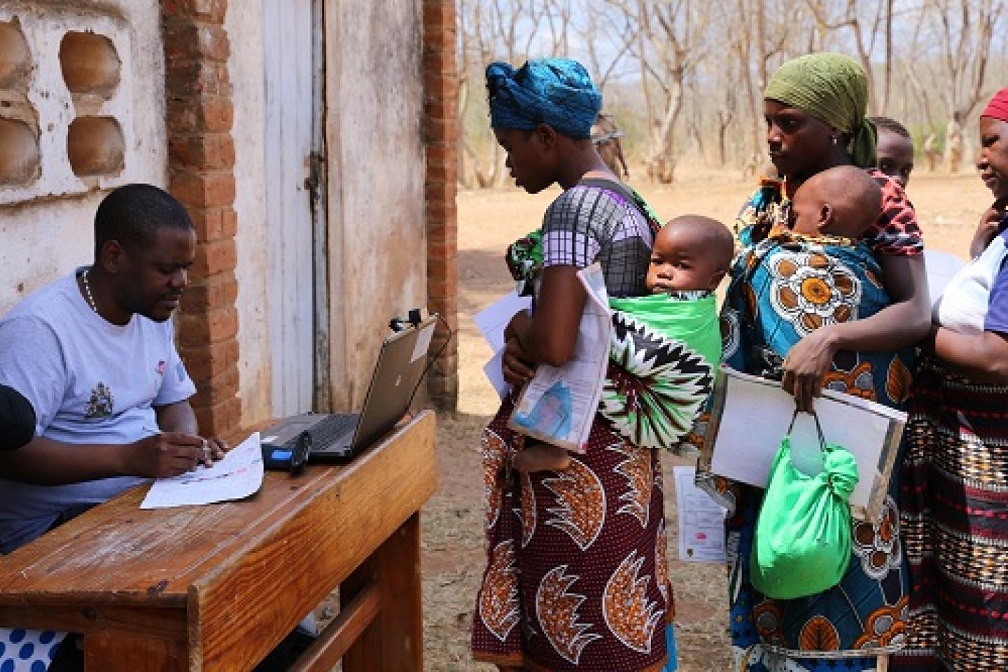
Nigeria's Federal Government cash transfer programme has reached 10.46 million households with a cumulative disbursement of about N658.9 billion, according to programme figures, making it one of the largest social protection operations currently running in the country.
The transfers form a central pillar of the administration's response to the cost-of-living pressure that followed fuel subsidy removal and exchange rate reforms. Payments are targeted at poor and vulnerable households identified through the national social register, with disbursements made through digital channels where possible.
Scale achieved, questions on targeting
Despite the headline reach of more than 10 million households, the World Bank has flagged gaps in both coverage and targeting within the programme. Coverage concerns centre on whether the social register fully captures the poorest households, particularly in hard-to-reach local governments, while targeting questions relate to inclusion and exclusion errors — benefits flowing to households above the poverty line while equally poor families are missed.
Bank officials have argued that tightening the register and improving payment verification are essential if the fiscal cost of the programme is to translate reliably into poverty reduction outcomes.
The fiscal cost of cushioning households
At N658.9 billion and climbing, the cash transfer programme represents a significant line in a federal budget already stretched by debt service, infrastructure and security spending. Defenders of the spending say it is among the most direct tools available to cushion households during a structural reform period, and that digital payment rails reduce leakage compared with older transfer systems.
Critics counter that without sharper targeting and a clear exit or graduation strategy for beneficiaries, the programme risks becoming a permanent fiscal commitment with diminishing returns as the register ages.
What comes next
The coming months will test whether the programme can expand coverage while tightening targeting — the combination the World Bank says is needed for the transfers to meaningfully reduce poverty rather than simply redistribute a large budget line. Register updates, payment audits and clearer graduation criteria will be the metrics to watch.
Up next
WACOT Renews Edo State Fertiliser Partnership to Expand Input Supply
WACOT Limited has renewed its agreement with the Edo State Government on fertiliser production through the Edo State Fertilizer and Chemical Company, a partnership that began in 2017.
More in Economy
See all
Nigeria's Inflation Falls to 14.63%, Lowest Since October 2020, as Food Prices Ease
Nigeria's headline inflation fell to 14.63% in September, the lowest since October 2020, driven by easing food prices even as core inflationary pressures continued to build in parts of the services economy.

Nigeria, Benin and Cameroon Turn to Afreximbank to Modernise Cross-Border Trade Posts
Nigeria, Benin and Cameroon have aligned with Afreximbank on a border modernisation programme designed to cut delays at key crossing points and lift trade among the three neighbours.
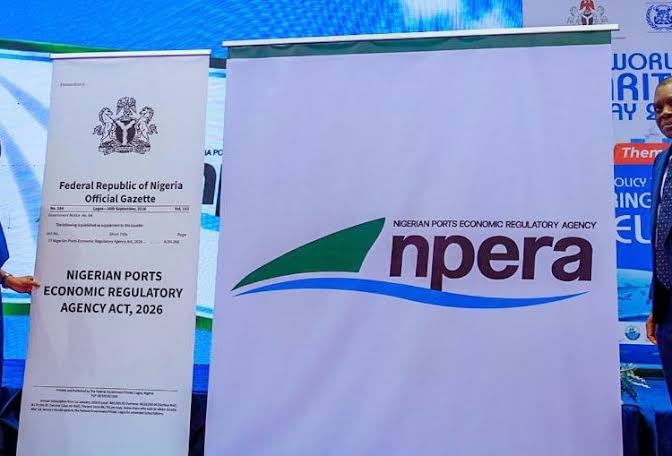
FG Unveils Gazetted NPERA Act as Independent Port Regulator Takes Shape
The Federal Government has unveiled the gazetted Nigerian Ports Economic Regulatory Agency Act 2026, directing the immediate constitution of a committee to transition the Nigerian Shippers' Council into an independent regulator of port tariffs, competition and service standards.
About the author
Abiodun Abdullahi
Author / Business and Markets Writer
Abiodun Abdullahi writes for BusinessPress.
More by Abiodun Abdullahi