Nigeria, Benin and Cameroon Turn to Afreximbank to Modernise Cross-Border Trade Posts
Nigeria, Benin and Cameroon have aligned with Afreximbank on a border modernisation programme designed to cut delays at key crossing points and lift trade among the three neighbours.

Nigeria, Benin and Cameroon are working with the African Export-Import Bank (Afreximbank) on a border modernisation programme aimed at upgrading key crossing points, reducing cargo clearance times and lifting trade volume among the three countries.
The initiative targets some of the busiest and most congested trade corridors in West and Central Africa, where delayed inspections, fragmented documentation systems and under-equipped posts have long added days — and sometimes weeks — to legitimate cargo movements.
Why borders decide trade performance
Regional trade within Africa remains constrained less by tariffs than by the physical and administrative friction of moving goods across frontiers. For Nigeria — the continent's largest consumer market — inefficient borders with Benin to the west and Cameroon to the east directly affect the cost of exports, the availability of imports and the competitiveness of manufacturers who source inputs regionally.
Modernisation programmes typically combine physical infrastructure upgrades — scanners, weighbridges, bonded warehouses — with digital systems for pre-clearance, single-window documentation and coordinated inspections between neighbouring customs services.
Afreximbank's financing role
Afreximbank has positioned trade and transport corridor financing as a core part of its mandate, arguing that Africa's growth potential is held back as much by logistics bottlenecks as by capital shortages. The bank's involvement brings both funding and a coordinating framework that can span multiple national jurisdictions.
For the three partner countries, the bank's participation also signals a shift toward treating border posts as economic infrastructure rather than purely security or revenue checkpoints.
Measuring success
The programme's impact will ultimately be judged in measurable terms: average cargo clearance times at the target posts, the share of shipments processed through digital pre-clearance, and bilateral trade volumes between Nigeria, Benin and Cameroon over the next two to three years. Those numbers will determine whether modernisation delivers the trade uplift its architects are counting on.
Up next
Nigeria's Cash Transfer Programme Hits 10.46 Million Households as World Bank Flags Gaps
Nigeria's N658.9 billion cash transfer programme has disbursed to 10.46 million households, but the World Bank has flagged gaps in coverage and targeting that could limit the programme's poverty impact.
More in Economy
See all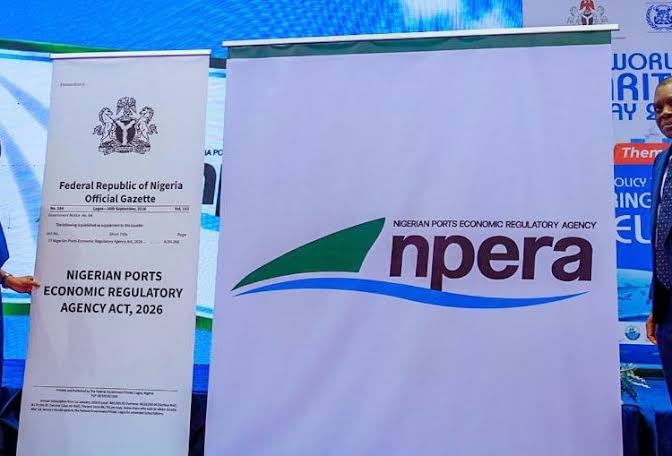
FG Unveils Gazetted NPERA Act as Independent Port Regulator Takes Shape
The Federal Government has unveiled the gazetted Nigerian Ports Economic Regulatory Agency Act 2026, directing the immediate constitution of a committee to transition the Nigerian Shippers' Council into an independent regulator of port tariffs, competition and service standards.
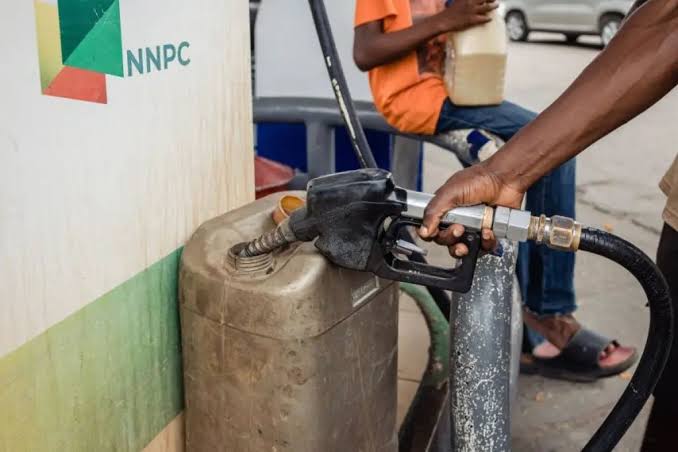
Petrol Discount Eludes Motorists as NNPCL Pump Price Returns to N1,405
Nigeria's 30-day petrol discount has failed to reach most motorists, with NNPCL stations back at N1,405 a litre and the N66 reduction available only through the company's app at self-service pumps, while transport fares keep rising.
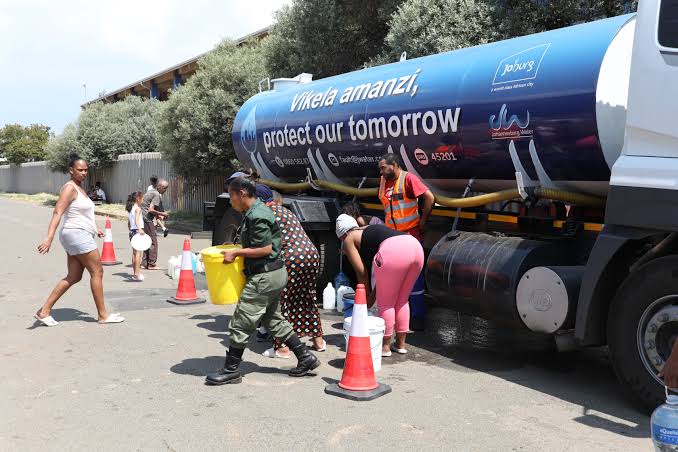
IMF Says African Reforms Helped Weather Oil Shock, but Buffers Stay Thin
The IMF's October Sub-Saharan Africa update says subsidy and exchange rate reforms in Nigeria and Ethiopia helped the region absorb the oil shock, but reserves, aid and fiscal space leave little room for another hit.
About the author
Tunde Balogun
Economics Correspondent
Tunde Balogun writes for BusinessPress.
More by Tunde Balogun
WACOT Renews Edo State Fertiliser Partnership to Expand Input Supply
Agriculture2 hrs ago
Sunbeth Capital Raises N150 Billion Commercial Paper to Finance Cocoa Value Chain
Agriculture2 hrs ago
Nigeria's Imported Food Price Growth Slows to 9.19%, Slowest in Six Months
Agriculture2 hrs ago