
FG Rolls Out N70,000 Transport Allowance for Workers
The federal government begins a six-month N70,000 monthly transport allowance for public servants, backed by the NLC but rejected by the TUC, alongside NERSI cash payments.
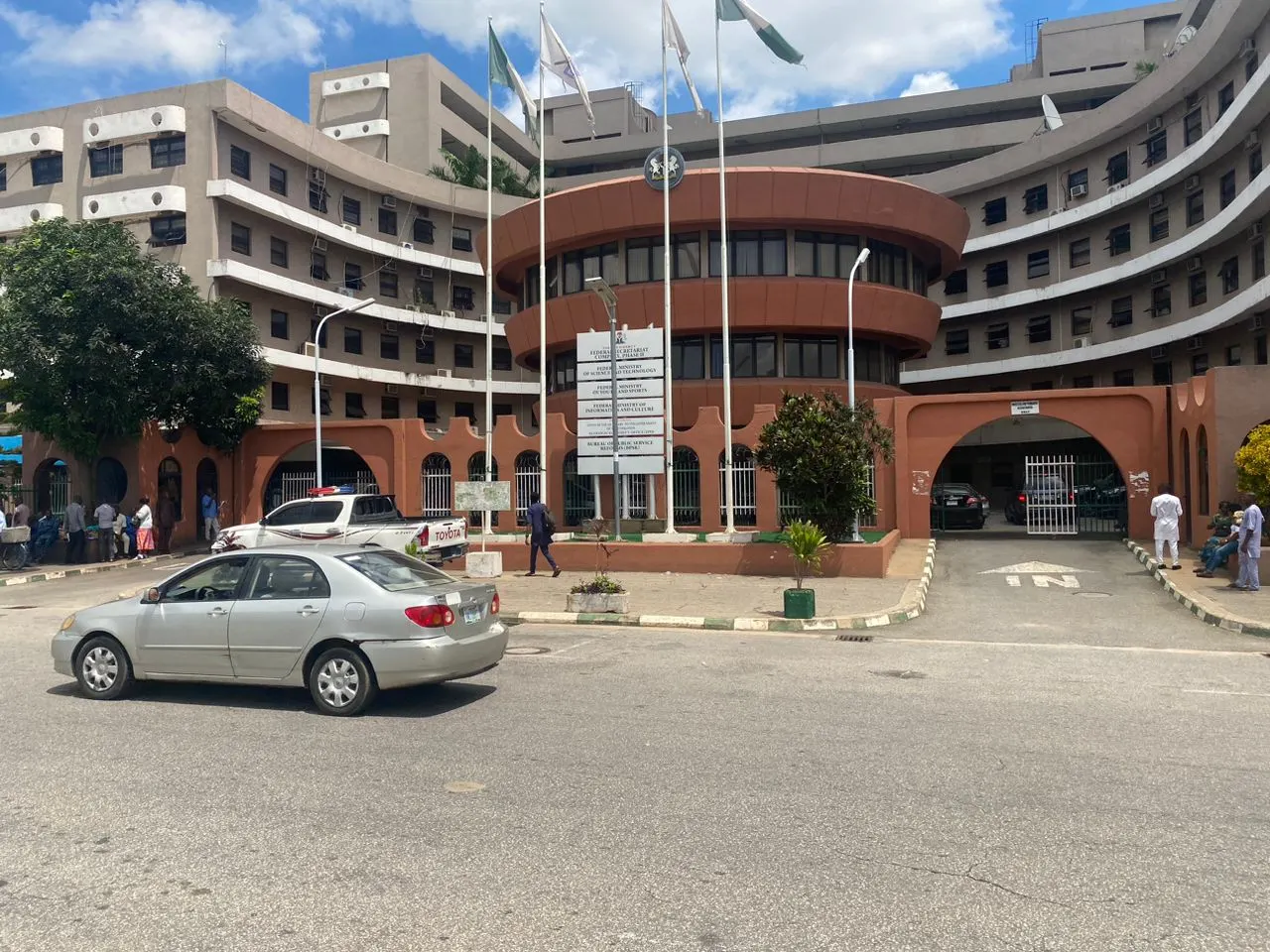
Nigeria's federal government has begun paying a N70,000 monthly transport allowance to public service workers as a six-month intervention running from November, under a deal accepted by the Nigeria Labour Congress (NLC) — even as the Trade Union Congress (TUC) rejected the arrangement and continues to demand a permanent pay rise outright. The measure is one strand of a wider relief push that also includes the launch of N50,000 NERSI cash payments to vulnerable households and a N100 million small-business pitch prize pool announced by SMEDAN.
The cost-of-living compromise comes after weeks of negotiation between the two labour federations and the federal administration over how to compensate workers for transport expenses intensified by fuel price volatility in 2026. The NLC endorsed the six-month allowance, effectively winning an interim concession, while the TUC rejected it on the grounds that a time-bound allowance sidesteps the structural wage question — the demand that a permanent upward revision be negotiated into the national minimum wage framework.
Why transport became the battleground
Transport is the most inflation-sensitive item in Nigerian workers' budgets. The 2024 fuel subsidy removal reset pump prices sharply higher, and 2026's petroleum market volatility — with Dangote Refinery this week lifting its petrol gantry price to N1,300 per litre, roughly 7 per cent above the N1,215 level at the start of November — has kept commuting costs in motion even as headline inflation moderates. September's food inflation of 19.59 per cent and headline inflation of 14.63 per cent describe an economy in which workers' real incomes have continued to erode despite the aggregate disinflation recorded since 2025.
The N70,000 figure is not arbitrary: it matches the statutory monthly minimum wage set in 2024, effectively a wage doubling for the transport component of take-home pay. For a family on the minimum wage, the allowance would raise monthly income to N140,000 for six months — a very significant cash-flow lift, and one whose economics the TUC's objection illuminates: temporary allowances end, can be taxed or clawed back administratively, and set no precedent for permanent base pay.
Three programmes, one fiscal strategy
The transport allowance sits inside a broader government response to living costs. The NERSI programme's N50,000 payments to vulnerable households represent the cash-transfer channel aimed at those outside formal employment, while SMEDAN's N100 million pitch prize pool channels support into micro and small enterprises whose owners cannot qualify as salaried beneficiaries. Combined, the package is targeted at all three segments of the working and informal population: salaried workers, unemployed households and small-business operators.
The fiscal arithmetic is the unresolved part. The federal government is already negotiating a fresh external borrowing programme of about $7.7 billion with the National Assembly, and its expanding commitments arrive alongside debt service that consumes the dominant share of retained revenue. A six-month allowance for the federal civil service is affordable in isolation; the policy signal, however, points towards wider replication at state level, where payroll systems are weaker and the fiscal space thinner.
The labour split and what it signals
The NLC-TUC divergence is the political fault line worth watching. The NLC's acceptance suggests it judged that a guaranteed cash benefit now outweighs the negotiating power that comes from common refusal, and it keeps open a channel to the government on future wage rounds. The TUC's refusal preserves the harder line: that allowances commoditise labour's leverage, concede only what inflation will quickly absorb, and allow the government to defer the structural conversation about productivity-linked pay.
For businesses, the two federations' positions matter for different reasons. An accepted allowance raises disposable income for the consumer base that retail, transport, telecoms and food companies depend on — a six-month demand stimulus in precisely the sub-sectors most sensitive to cash circulation. A wider escalation, by contrast, raises the risk of strike-driven productivity losses, the scenario that corporate planning teams in Lagos and Abuja have flagged as a residual risk since the 2023-2024 subsidy adjustment era.
Macroeconomic read-through
The disinflation complicates the demand-stimulus judgement in both directions. Injection of cash allowances at this scale is, bluntly, mildly inflationary at the margin, and it arrives while the central bank's September rate cut has already loosened monetary conditions; both the CBN's latest research — identifying fiscal dominance as a key factor of naira instability — and the deep subscriptions to this week's N3.46 trillion liquidity-absorption auctions show an economy where aggregate spending power must be expanded carefully. Yet the sequencing has so far avoided the fiscal-monetary collision of past cycles, partly because the allowances are time-bound and partly because November's liquidity inflows of N13.79 trillion from maturing securities cushion the transfer.
The six-month horizon makes this an experiment with a defined endpoint. If the allowance measurably raises consumption without destabilising the exchange rate — officials will watch the official-parallel naira gap, near N29 this week — the case for incorporating transport support permanently into pay will strengthen; if the inflationary side effects dominate, the TUC's structural-wage argument gains its own empirical case. Either way, the episode is a live test of how much relief Nigeria's fiscal position can keep absorbing during a fragile disinflation.
Up next
Nigeria FX Utilisation Rises to $18.3bn in Q2
CBN data show official-market FX utilisation climbing to $18.3bn in Q2 from $16.2bn in Q1, with invisibles at $13.2bn dwarfing goods at $5.1bn.
More in Economy
See all
Nigeria Oil Output Trails Budget Target by 9%
Nigeria produced 1.678 million barrels per day in August against a 1.84 million budget assumption, putting the fiscal windfall math under pressure.

Nigeria Customs Rakes in N1.42tn in Two Months
Nigeria Customs collected N1.42trn in September and October as Q3 exports through Lilypond hit $752.8m, signalling stronger trade-based fiscal receipts.

US Layoff Plans Fall to Lowest Level Since 2023
October US layoff announcements fell to their lowest since 2023 ahead of Friday payrolls, strengthening the Fed December rate debate.
About the author
Tunde Balogun
Economics Correspondent
Tunde Balogun writes for BusinessPress.
More by Tunde Balogun


