
Rice, Pepper and Egg Prices Climb into the Festive Season
Rice, pepper and egg prices rose as fuel costs and festive demand built, and fortification rules add cost to processed staples.
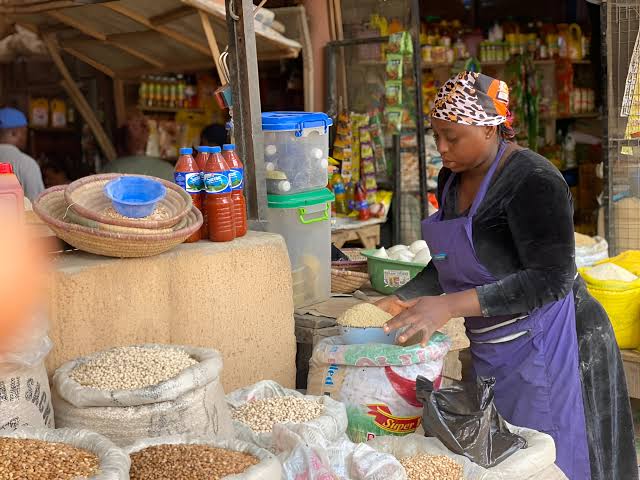
Nigeria's food markets are already pricing the festive season. Rice, pepper and eggs recorded higher prices on the domestic market this week, in a pattern commodity analysts link to fuel costs and building seasonal demand — and the annual shift from Harvest to holidays is showing how differently 2026's Thanksgiving price outlook looks from the last two years'
The reading comes from this week's commodity tracking by Financial Derivatives Company, whose regular market survey flagged the gains in domestic staples on a week when headline inflation has just been printed at 15.39 per cent and the naira held steady. The combination illustrates that Nigerian food prices respond to two different clocks at once: international commodity markets for tradable goods, and the domestic calendar that concentrates Nigeria's food spending in the last six weeks of the year.
The festive-season mechanics
Nigeria's December price rhythm is almost a law of the market. Food demand concentrates sharply in a season where income flows — salaries, bonuses, remittances from the diaspora — peak at the same moment as the year's major religious and family celebrations. Retail, transport and food-trading turnovers climb; logistics chains stretch to bring produce from the north and grain-producing states to Lagos, Abuja and Port Harcourt; and every transport cost embedded in the movement of yams, rice, livestock and cooking ingredients lands in the final consumer price at once.
Fuel costs are within that chain the dominant lever. Diesel prices moved with global crude all year — Brent's 2026, swinging from the war's $115-plus peaks toward this week's sub-$100 readings — and logistics operators price December freight off prevailing energy costs, not off seasonal charity. This creates the pattern analysts describe: fuel costs and festive demand rising together, each pushing the prices of the food basket in the same direction. Rice, the staple that anchors most Nigerian celebrations, is the most direct expression of the mix, since its market price incorporates import costs, FX, transport and festive premiums simultaneously.
What 2026's festive outlook looks different from
The last two festive seasons landed on households already reeling from inflation and the subsidy removal's structural adjustment. The 2026 holiday approaches on a different footing: headline inflation has decelerated for consecutive months to 15.39 per cent, the naira's official rate has been stable enough to plan ahead, and the import bill for staples has eased as Dangote Refinery-sourced fuel supplies have cut domestic fuel-market volatility. Each of those shifts moderates the seasonal spike without eliminating it — the season's demand concentration is demographic, not monetary, and no reform changes when Nigerians buy rice for family gatherings.
The distributional reading underneath the numbers, though, is the argument monetary policymakers monitor. A festive season that raises food prices is statistically visible in December's inflation print every year, and the base effects of last year's spike — combined with a slower fuel-price pass-through this season — could show a fourth-quarter moderation that flatters the disinflation path. Whether that flattery describes real improvement or just a season's arithmetic is the fine print of the Central Bank's December assessment, and one reason the MPC watches food sub-indices more closely than headline numbers.
The fortification angle on processed foods
A different cost layer is moving in the background of the same markets. The federal government has directed manufacturers to fortify seasoning cubes with micronutrients — a nutritional intervention targeting the hidden hunger that micronutrient deficiency represents across Nigerian diets. The policy makes public-health sense but explicitly adds production costs, and market commentary has flagged the likelihood that fortified variants will price higher than their unfortified predecessors — with one market-tracking report recording a 24 per cent year-on-year rise in the price of a popular 360-gramme pack before the fortification mandate was fully absorbed.
The same logic faces other processed staples. Fortification of wheat flour, edible oil and bouillon has been a Nigerian regulatory theme for years, and each industry rollout distributes its compliance costs through consumer prices — at a moment when households' real purchasing power is still recovering. The nutrition-versus-affordability tradeoff has no free lunch, in the literal sense: micronutrient deficiencies carry long-term health costs that exceed production costs of fortification, but only if the fortified products actually reach the consumers most at risk.
Reading the season's risk
For the businesses along the food chain — millers, distributors, retailers, poultry farms and logistics operators — the festive quarter is the year's margin peak, and the operational question is whether the volume surge can be served without supply shocks. Poultry producers, whose eggs are showing the seasonal strength analysts flagged, face feed-cost economics that run on maize supply, and grain stocks this year are the variable that will determine whether egg prices climb normally into the season or spike badly.
The market logic that emerges from this week's data is neither a crisis nor a celebration. Nigeria's festive food inflation is expected, structured, and this year supported by a currency and fuel environment that is measurably better than the last two festive seasons'. Its risks are the concentrated ones — transport costs, security on supply routes, grain availability — and its political visibility will be at its highest exactly when December economic statistics land. Between now and then, the food basket's prices will do most of the talking about how real the 2026 stabilisation has become.
Up next
Dangote Refinery IPO Draws N6.4 Trillion in Orders
The Dangote refinery domestic IPO attracted about N6.4 trillion in orders, redefining the scale of Nigerian equity issuance.
More in Agriculture
See allESDAN Launches EggHome App to Tackle Egg Glut and Cut Out Middlemen
The Egg Sellers and Distributors Association of Nigeria unveils EggHome to link egg producers directly with consumers and ease recurring market gluts.

FAO Food Price Index Slips on Weaker Import Demand
The FAO Food Price Index falls to 133.9 in October from 135.6 as cereal, dairy and meat ease on soft import demand, though prices remain 5.9% above a year ago.

Proparco Backs Kenyan Food-Loss Fighter Farm to Feed
Proparco invests €150,000 in Farm to Feed, the Kenyan platform matching 5,500 farmers to institutional buyers and cutting reported food losses by 81%.
About the author
Tunde Balogun
Economics Correspondent
Tunde Balogun writes for BusinessPress.
More by Tunde Balogun


