IMF Says African Reforms Helped Weather Oil Shock, but Buffers Stay Thin
The IMF's October Sub-Saharan Africa update says subsidy and exchange rate reforms in Nigeria and Ethiopia helped the region absorb the oil shock, but reserves, aid and fiscal space leave little room for another hit.
Sub-Saharan Africa has absorbed the global oil price shock better than many feared, helped by earlier subsidy and exchange rate reforms, but the region's buffers remain thin and another shock could hit harder, the IMF said in its October Regional Economic Outlook Update.
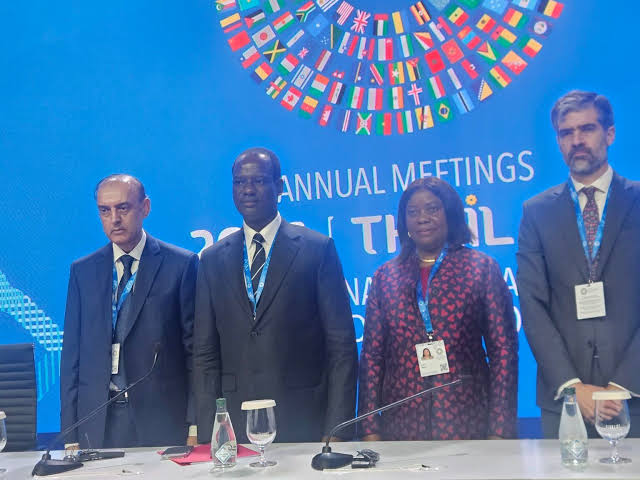
"The region's resilience reflects both earlier reforms and rapid adaptation," African Department director Zeine Zeidane said in Bangkok, citing subsidy and exchange rate reforms in Ethiopia and Nigeria and structural reforms in South Africa. Global energy supplies have also been rerouted and businesses have adapted sourcing and logistics.
The headline growth forecast is steady at 4.5% for both 2026 and 2027, but the aggregate masks divergent experiences. Higher oil, copper and gold prices are supporting resource exporters, while growth is slowing in non-resource-intensive economies and external deficits are widening. The Fund said the split has widened since its April projections, with a larger share of the region now below its pre-shock growth path.
Cost pressures return
Households are feeling renewed cost-of-living pressure. Median inflation is projected to rise from 3.4% in 2025 to 4.3% this year and 5% in 2027, with fuel and transport costs already higher and more expensive fertiliser threatening food security.
Governments have little room to respond. Fiscal adjustment before the shock brought deficits and debt ratios down, but interest payments still absorb about 12% of government revenue in a typical country. That ceiling has left finance ministries with few discretionary levers when fuel prices spike, pushing the burden back onto central banks and households. Bilateral aid is projected to fall by a further 12% this year after a steep decline in 2025, limiting the safety net for the most exposed states.
Policy triad
Zeidane set out three priorities. First, protect vulnerable households without breaking fiscal space: broad fuel-price smoothing can cost about 4% of GDP, while transfers to the poorest 40% deliver the same benefit for at most half a percent. Where delivery systems are weak, school feeding or geographically targeted support can substitute; any temporary relief should be transparently funded, capped and time-bound.
Second, safeguard stability. Commodity exporters should save windfalls and repay costly debt; countries facing higher import bills should stay the course on fiscal adjustment while protecting essential services. Where regimes permit, exchange rate flexibility can absorb the shock and preserve reserves.
Third, do not drop growth-enhancing reforms on electricity, digital connectivity, skills and business environment. Regional trade and power integration can expand markets and reduce exposure to imported fuel.
"Resilience today must not be financed by sacrificing tomorrow's growth," Zeidane said. The region's ability to adapt is real; so is its exposure to renewed energy disruption, a spike in global risk aversion or a strong El Niño. Risks, the IMF concluded, remain firmly tilted to the downside.
Up next
Senegal Raises $582 Million on Regional Debt Market as Orders Hit 169%
Senegal raised 338.2 billion CFA francs, about $582 million, in its second regional bond issue of 2026, attracting subscriptions worth 169.1% of the amount offered across four maturities.
More in Economy
See all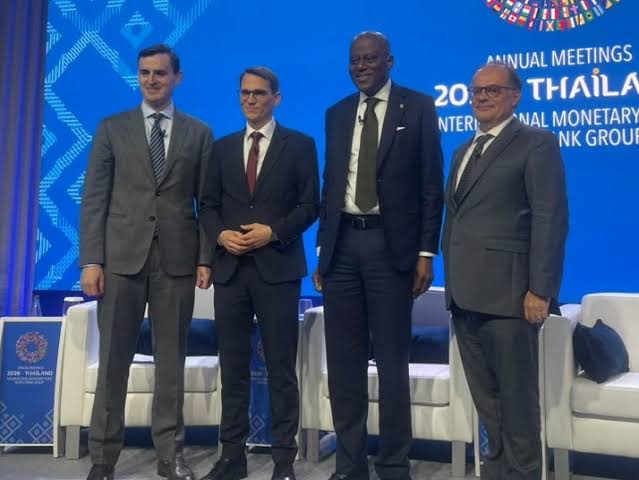
IMF Backs CBN's 350bps Rate Cut, Says Monetary Stance Still Tight
The IMF said the CBN's cut of the policy rate to 23% was appropriate and 'the right thing to do', but stressed Nigeria's monetary stance remains tight and disinflation incomplete.
Nigeria Unveils $78.5 Billion, 65-Project Investment Pipeline at IMF-World Bank Meetings
Nigeria has unveiled a pipeline of 65 investment projects requiring a combined $78.5 billion in capital, pitched to global investors at the IMF and World Bank Annual Meetings in Bangkok.
G-24 Warns Developing Nations Pay $500bn More for Debt Than Rich Countries
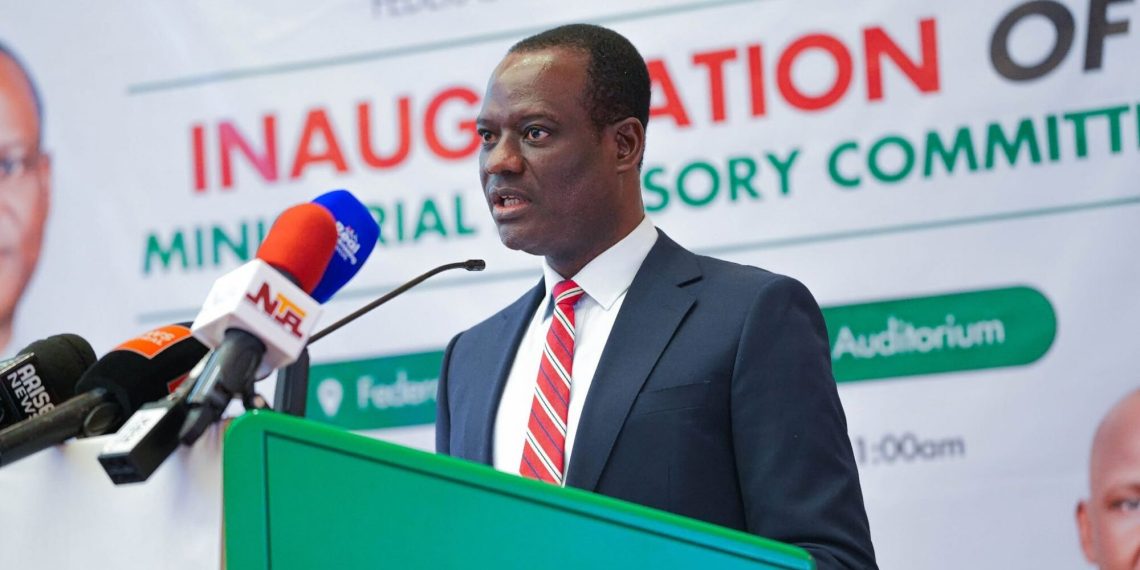
G-24 chair Taiwo Oyedele said developing countries pay about $500 billion more for debt than developed economies, urging cheaper IMF and World Bank financing.
About the author
Yaw Boateng
Corporate Reporter
Yaw Boateng writes for BusinessPress.
More by Yaw Boateng