
Kenya’s Private Sector Wakes Up: PMI Hits 52.5, Its Best Reading of 2026
October’s Stanbic PMI delivered Kenya’s first expansion in eight months, joining Nigeria’s five-month growth streak — with inflation still running at 7.3 per cent across the region.
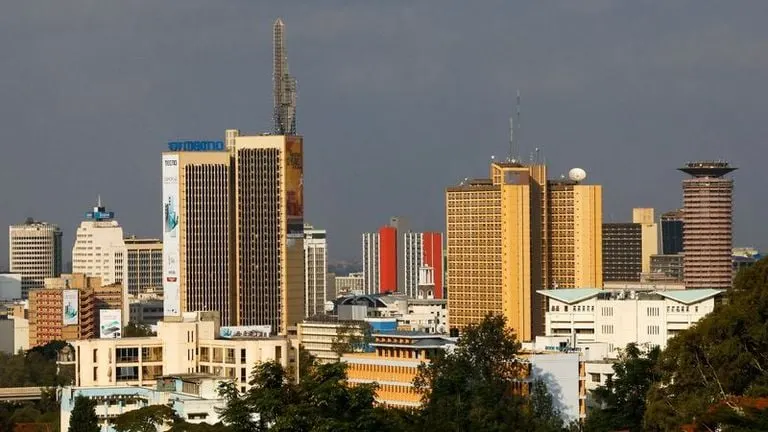
Kenya's private sector returned to growth in October for the first time in eight months, with the Stanbic Bank purchasing managers' index reaching 52.5 — its strongest reading of 2026 — in a signal that East Africa's largest economy is entering the festive quarter with accelerating demand rather than the contraction that marked most of its year.
A reading above 50 signals month-on-month expansion, and the details matter as much as the headline: output, new orders and employment all improved, with the recovery broad enough to push the index to its 2026 high. The expansion is the latest confirmation of a pattern visible across the continent — business activity improving even as price pressures persist, with inflation still running at 7.3 per cent in Kenya, 5.5 per cent in Ghana and 5.8 per cent in Uganda, Proshare's weekly African review shows.
Nigeria sets the continental pace
Kenya's inflection arrives alongside Nigeria's deepening expansion. The Central Bank of Nigeria's composite PMI rose to 53.2 in October from 53.0 in September — five consecutive months of growth, with 24 of 32 surveyed subsectors expanding and industry and agriculture strengthening while services moderated. Two of Africa's largest economies expanding simultaneously is the continental bull case in miniature; the two together anchor a trade area whose intra-African flows both markets' exporters are counting on.
The fine print carries the caution. Nigeria's new export orders index sat at 48.8 — still in contraction — meaning domestic demand can improve without foreign demand following. Growth led by domestic consumption is real but shallow: it does not earn the foreign exchange that funds imports or service external debt.
The inflation that will not cooperate
Currency stability is the quiet enabler behind both expansions. Kenya's shilling has held a 129.85-130.05 band against the dollar through the quarter, and Nigeria's official rate has moved only a handful of naira across the month — conditions that let importers price, order and stock goods without hedging panic. East African growth has historically died on currency shocks before inflation finished its work; October is the first month in some time where neither economy spent the data release defending its money.
The region's uncomfortable pairing is accelerating activity against sticky prices. Uganda's inflation of 5.8 per cent sits above its central bank's comfort zone and forced an emergency rate hike in October, with another possible as the Bank of Uganda met Monday. Kenya's 7.3 per cent constrains how long its monetary authorities can celebrate growth before tightening. Ghana's 5.5 per cent is the region's best among the large economies but still above target.
For businesses, the mix means expanding into rising input costs rather than falling ones. PMI surveys on both sides of the continent continue to report firms paying more for fuel, transport and imported inputs — costs that growth can absorb only while pricing power holds.
What October's data mean for investors
The equity read-through favours domestic-demand businesses. Kenyan retailers, Nigerian consumer goods makers and the banks that finance both are levered to the exact activity the PMIs measure, while the export-order weakness argues for caution on pure manufacturing-for-export plays until the order books turn. Kenya's Quickmart IPO, which closed 122.7 per cent oversubscribed this week, is the market's vote on the same thesis.
For fixed-income investors, expanding activity with persistent inflation translates into central banks that stay hawkish longer — keeping regional yields attractive but capping the duration trade.
The quarter that decides the year
The fourth quarter is Africa's demand season: festive consumption, agricultural marketing after harvests, and the year-end spending that decides full-year results from Lagos to Nairobi. October's PMIs say both economies arrived at the quarter accelerating. Holding that trajectory through December — against energy costs, sticky inflation and weak export orders — will determine whether 2026 closes as the year Africa's largest economies reopened the growth gap with the rest of the emerging world, or narrowed back into it.
Up next
Côte d’Ivoire Powers 1.7 Million People From Cocoa Waste With West Africa’s Largest Biomass Plant
The 46 MW Biovéa plant at Ayébo will generate about 348 GWh a year from agricultural residues — the first Ivorian biomass facility to feed the national grid.
More in Economy
See all
Nigeria Money Supply Approaches The 100tn Mark
Nigeria broad money supply has climbed to N99.23 trillion despite CBN tightening, reviving inflation and naira concerns ahead of the December MPC.

Eurozone Factories Hold Growth as Costs Surge Again
The S&P Global Eurozone Manufacturing PMI eased slightly to 52.7 in October for a ninth straight month of growth as input costs hit a five-month high, keeping ECB rate pressure alive.

Nigeria's economy expands for a fourth straight month as the Composite PMI hits 53.0, even as household sentiment slumps
The Central Bank of Nigeria's Composite Purchasing Managers' Index rose to 53.0 in September from 52.7 in August, marking the fourth consecutive month of expansion, while the household expectations survey showed consumer sentiment worsening to minus 18.7 points.
About the author
Tunde Balogun
Economics Correspondent
Tunde Balogun writes for BusinessPress.


