Cross-Border Payment Infrastructure Is Quietly Becoming an African Growth Engine
Cross-border payment infrastructure is moving from a fintech convenience to a core layer of African trade and investment, with new analysis arguing that cheaper, faster settlement is central to unlocking the continent's growth potential.

Cross-border payments have long been treated in Africa as a cost centre — an expensive, slow layer that sits between businesses that already want to trade. New analysis published on Monday, October 19, argues that the infrastructure layer is becoming something more consequential: a foundation on which trade volumes, diaspora investment and regional integration either expand or stall.
The piece, published under the headline "Turning Global Payments into Economic Growth in Africa," contends that payment rails are no longer only a fintech product category but economic infrastructure with direct consequences for how much value circulates inside the continent.
The friction that still taxes African trade
Correspondent banking frictions, currency convertibility constraints, compliance costs and multi-hop settlement still add days and percentage points to transactions that in domestic markets complete in seconds. For small and mid-sized exporters and importers, those frictions can be decisive: a payment that arrives late or costs too much can kill a deal that a large corporate would simply absorb.
Regional payment initiatives — including instant payment linkages and the African Continental Free Trade Area's protocol on digital trade — aim to reduce that tax. Progress has been real but uneven, with domestic instant payment systems far ahead of cross-border interoperability in many corridors.
Why infrastructure beats another app
The analysis's central claim is that consumer-facing payment apps scale faster than the underlying rails they depend on. Without interoperable settlement, shared messaging standards and predictable compliance pathways, each new app multiplies points of failure rather than reducing them.
That framing aligns with investments by central banks and regional bodies in common infrastructure — including the kind of national payment stack components being rolled out in Nigeria — that private operators can build on rather than reinvent.
The growth arithmetic
If cross-border settlement times and costs fall materially, the first-order effect is higher trade velocity between African markets. The second-order effect is more diaspora capital reaching formal investment channels instead of informal ones, and more intra-African supply chains becoming bankable.
None of that is automatic. But payment infrastructure is increasingly the layer that development finance institutions, central banks and private operators agree is worth funding — not because payments are profitable alone, but because everything else African markets are trying to build moves at the speed of the money that settles underneath them.
Up next
Onafriq Winds Down Baxi Agent Banking Business in Nigeria
Pan-African payments network Onafriq is winding down Baxi, its Nigerian agent banking business, after five years, citing inflation, naira depreciation, rising operating costs and the rapid growth of instant account-to-account payments.
More in Finance
See all
Africa credit outlook improves as reforms ease debt pressure
Moody's has revised sub-Saharan Africa's outlook to positive as reforms, commodity prices and better financing ease debt pressures, though interest burdens remain high for several countries including Kenya and Zambia.
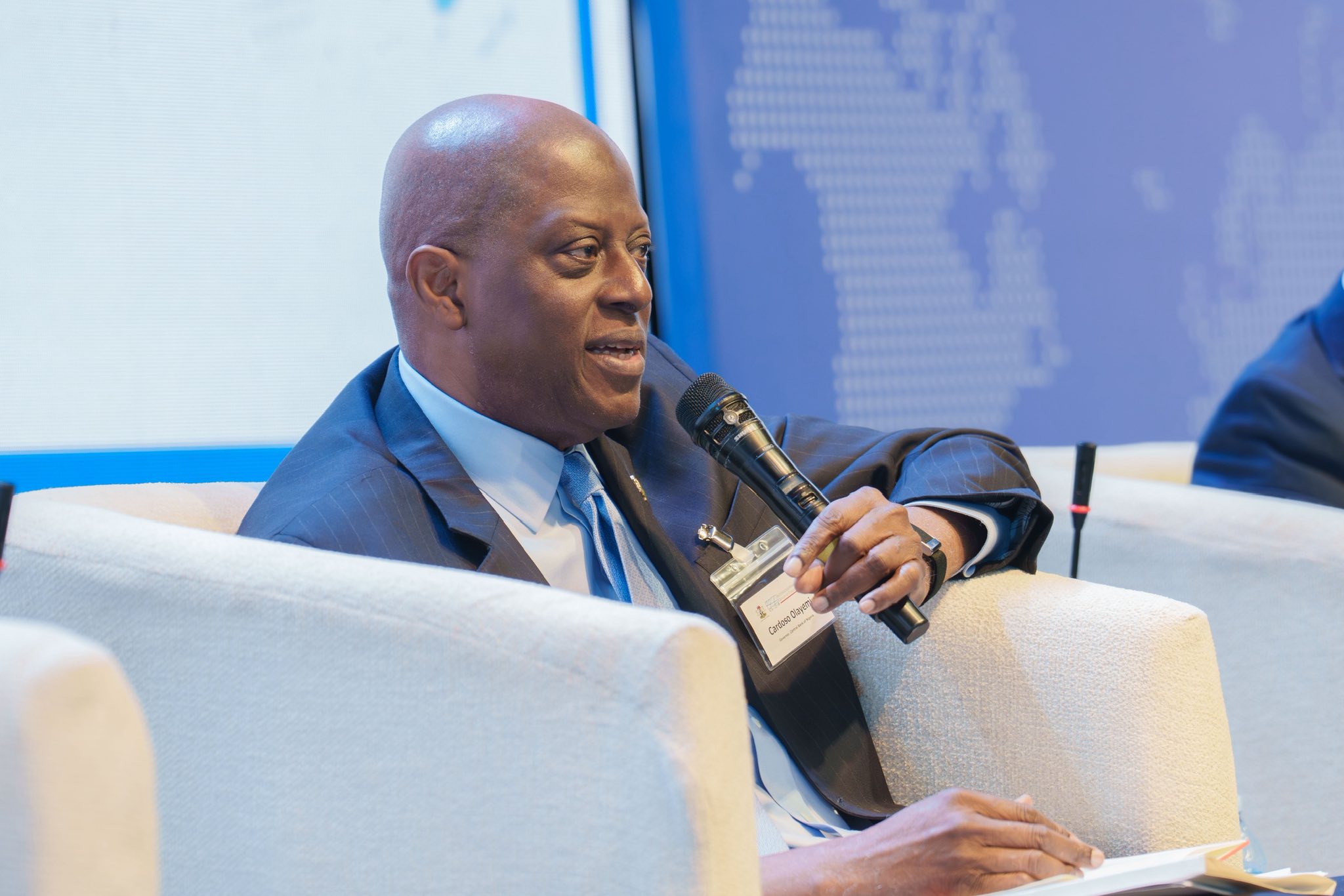
AFC Appoints CBN Governor Yemi Cardoso as Chairman of the Board
Cardoso succeeds Ireti Samuel-Ogbu at the helm of the Africa Finance Corporation, adding a continental infrastructure-finance role to his central bank duties.

Financial Services Drive $9.64bn FX Demand as Sector Appetite Hits 15-Year High
Banks, fintechs and insurers are now the biggest source of dollar demand, underscoring how Nigeria's FX market is being reshaped by a deeper financial system.
About the author
Amina Suleiman
Finance Correspondent
Amina Suleiman writes for BusinessPress.