Nigeria spent N5.28tn on domestic debt service in H1 2026
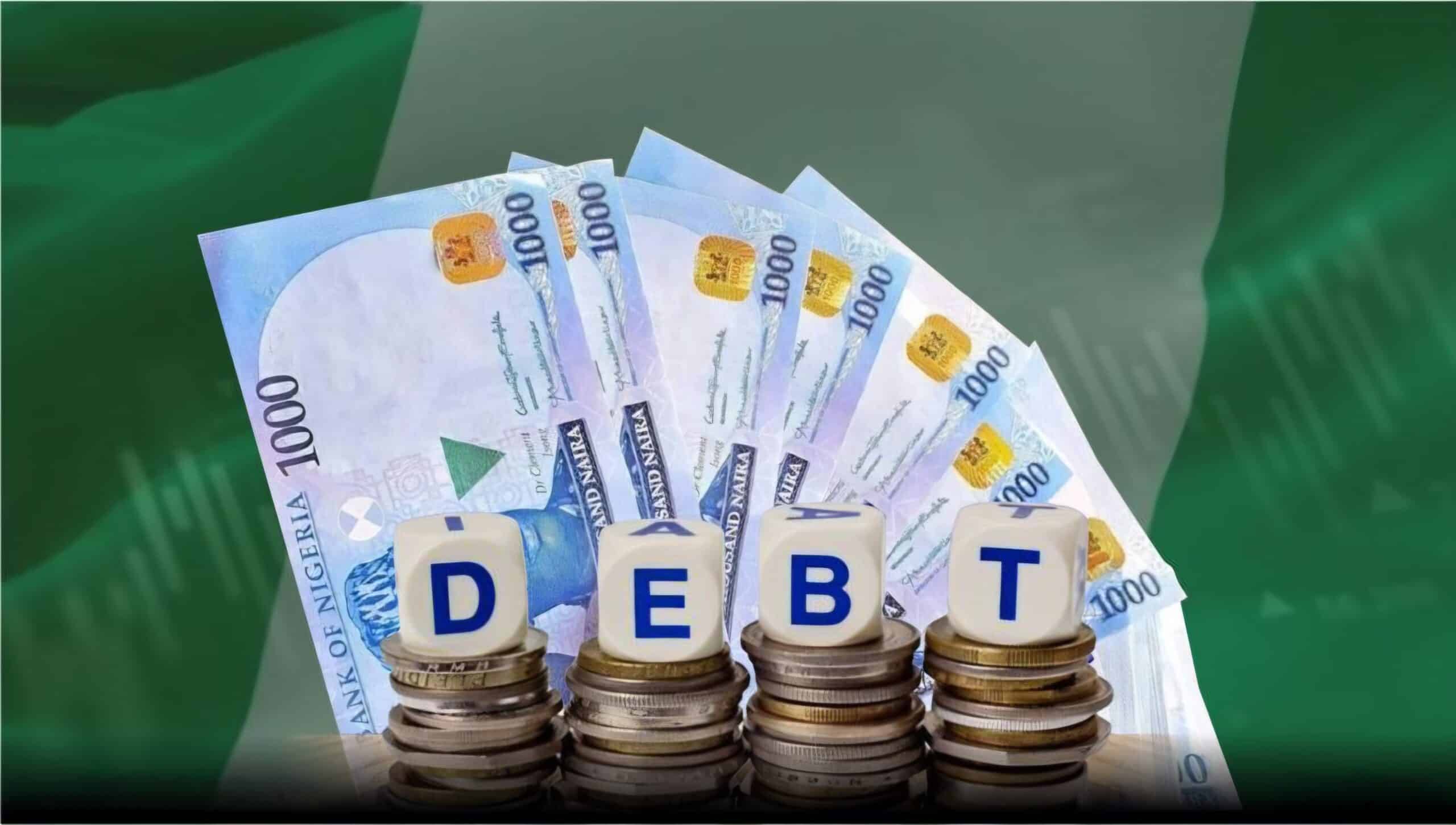
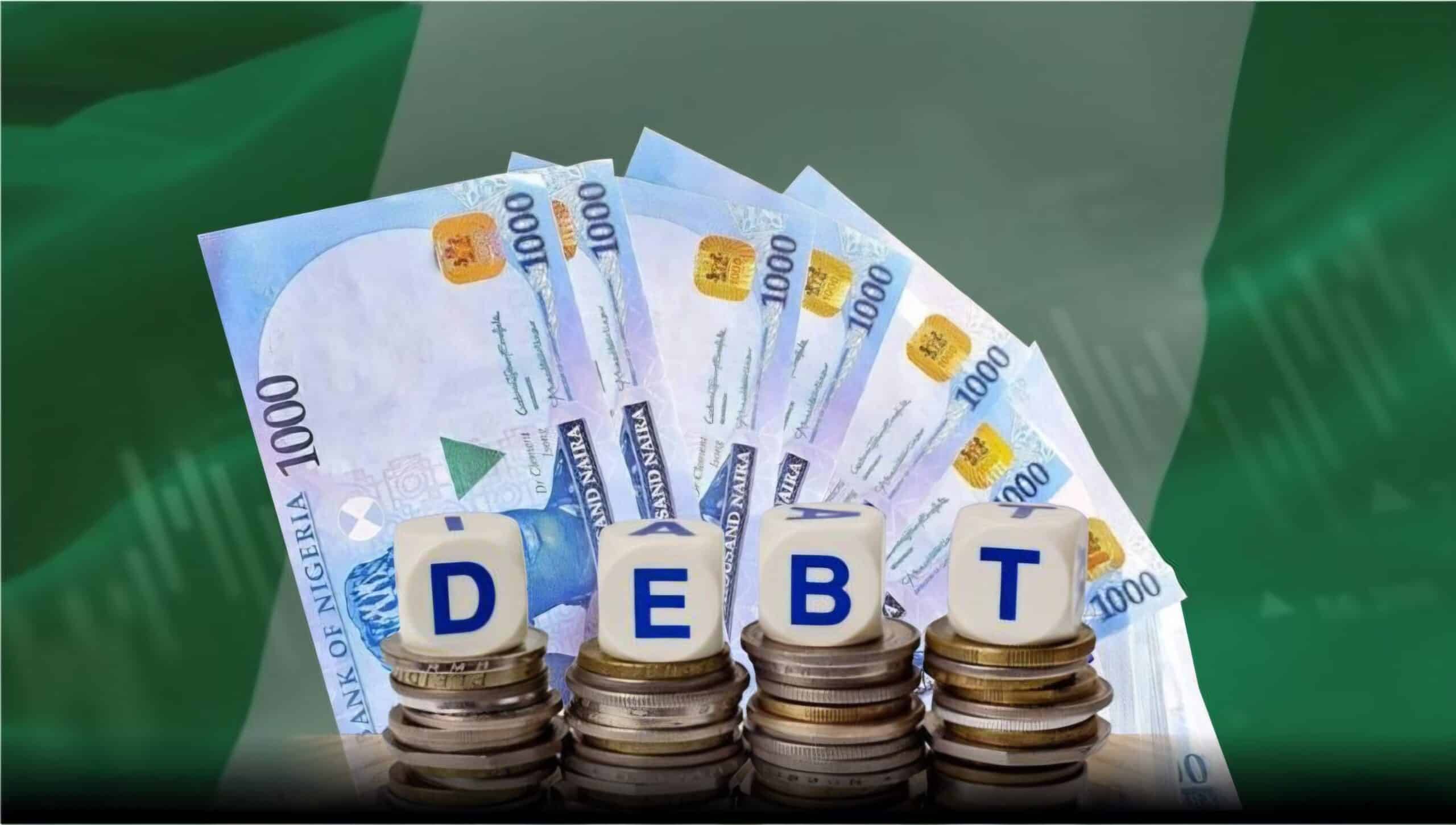
Nigeria spent N5.28 trillion servicing domestic debt in the first half of 2026, with interest and rental payments accounting for N4.95 trillion, according to the Debt Management Office.
103 results for “nigeria”

Nigeria spent N5.28 trillion servicing domestic debt in the first half of 2026, with interest and rental payments accounting for N4.95 trillion, according to the Debt Management Office.

The NBS said headline inflation dropped to 14.63% in September from 15.39% in August, with month-on-month food prices falling 1.55% and core inflation at 12.95% year-on-year.

Ten leading stocks on the Nigerian Exchange account for N115.98 trillion, or about 71 per cent of the bourse's equity market value of around N160 trillion, underscoring high market concentration.

Nigerian electric mobility firm MAX has extended its Series B3 round to $29 million after new financing from Nithio, with proceeds earmarked for vehicle financing and solar-powered battery swapping.

Worldwide PC shipments dropped 20.1 per cent in the third quarter of 2026, IDC says, the sharpest third-quarter fall on record, leaving Nigeria's imported laptop market exposed to higher prices.
The IMF said the CBN's cut of the policy rate to 23% was appropriate and 'the right thing to do', but stressed Nigeria's monetary stance remains tight and disinflation incomplete.

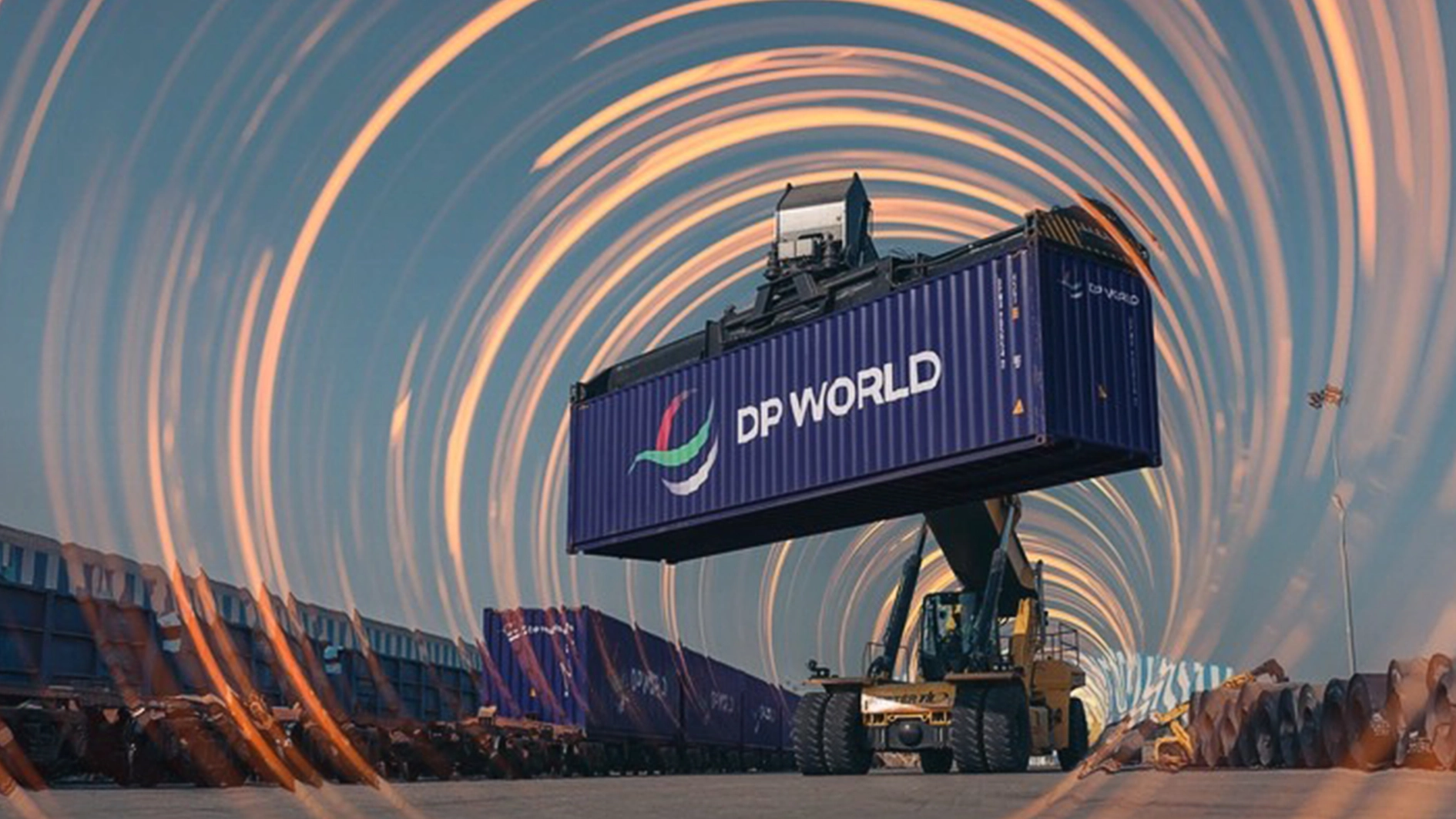
DP World and TGI Group are joining forces to expand integrated logistics services in Nigeria, with TGI set to take an equity stake in DP World Logistics Limited to support trade growth across West Africa.

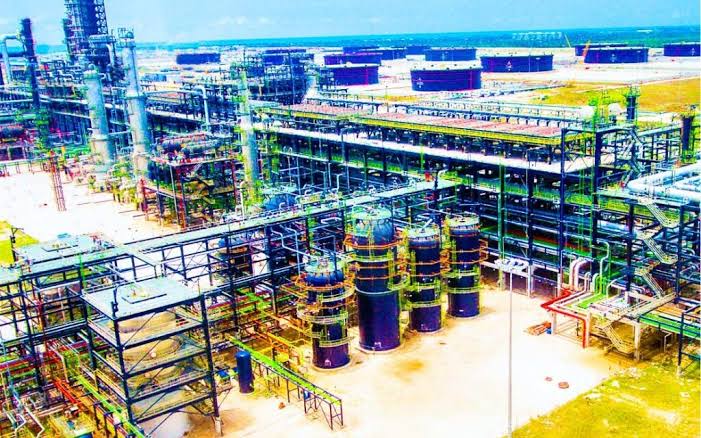
The Aliko Dangote Foundation has launched a grant initiative to help up to two million vulnerable Nigerian women acquire shares in the Dangote Petroleum Refinery IPO through matching and unconditional grants.

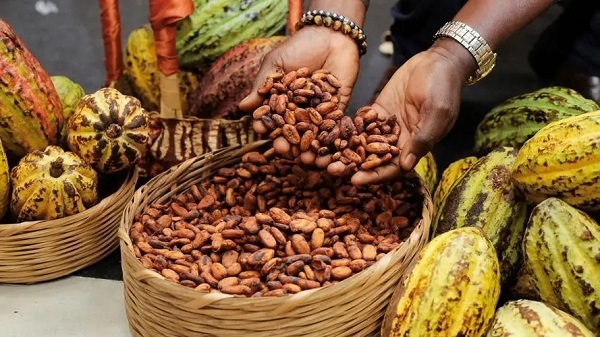
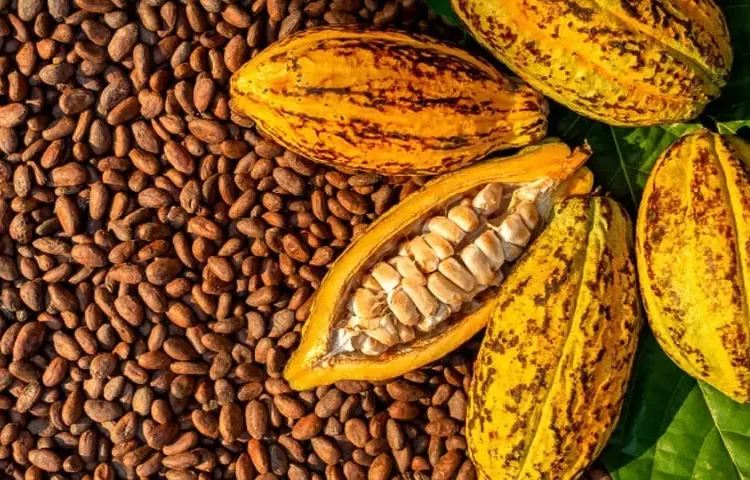
Asia's cocoa grindings jumped 29.2% in Q3 2026 and Europe's rose 3.2%, pushing prices higher as demand recovers, with implications for Nigeria and Cote d'Ivoire.

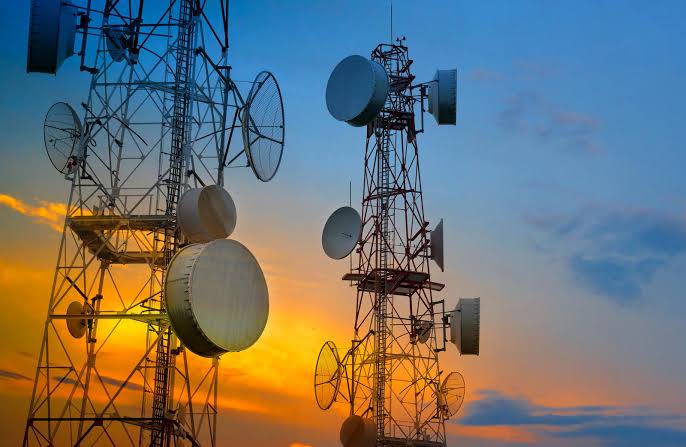
Nigerian telecom operators spend more than $350 million a year on diesel, consuming over 40 million litres monthly, while the switch to solar-hybrid power remains stuck at about a fifth of towers.

Nigeria's monetary framework has delivered stability; converting it into durable growth is a harder, longer project that asks as much of fiscal policy and the market as of the central bank.

The country ships raw ore while importing processed products, ceding the industrial and jobs gains that processing would create, industry observers warn.

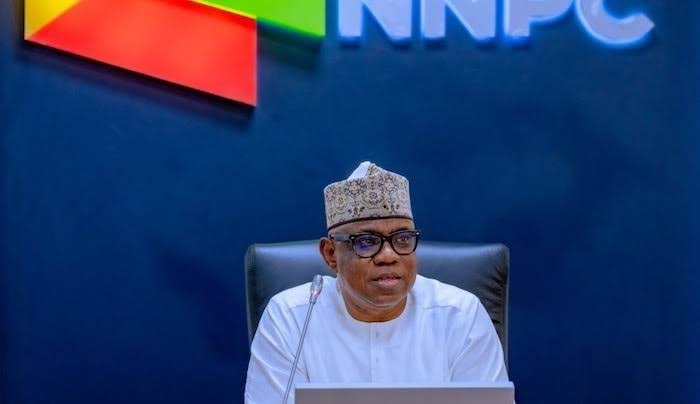
The national oil company is tightening disclosure and oversight as it prepares a listing that could become one of the Nigerian Exchange's largest.

Banks, fintechs and insurers are now the biggest source of dollar demand, underscoring how Nigeria's FX market is being reshaped by a deeper financial system.

Brent slipped toward $104 and WTI to about $94 as supply-route fears eased, a move with direct consequences for Nigeria's budget and FX earnings.

Analysts project headline inflation near 15.5% as disinflation continues, though high oil prices and sticky food costs keep the single-digit target at a distance.

The IMF says Nigeria's improving growth outlook is not easing poverty fast enough, pressing for better-targeted spending and a broader revenue base.

The Agriculture Ministry and NEPC convene stakeholders to advance strategies for lifting Nigeria's cocoa and coffee output, quality and export earnings.

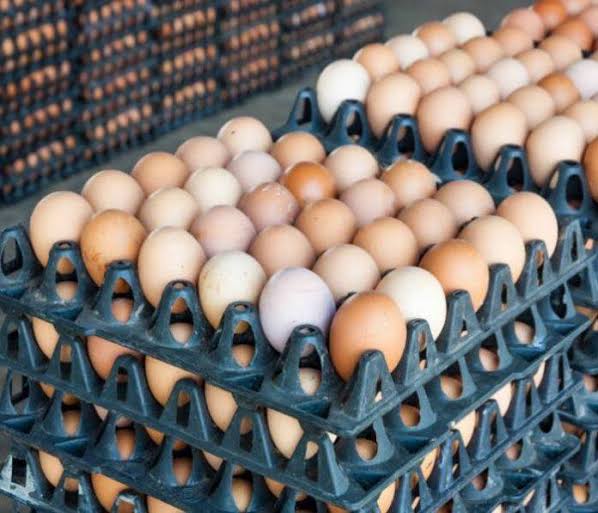
The Egg Sellers and Distributors Association of Nigeria unveils EggHome to link egg producers directly with consumers and ease recurring market gluts.
The Federal Ministry of Agriculture and the FAO begin World Food Day 2026 activities under the theme Innovate Today, Nourish Tomorrow, spotlighting innovation in Nigeria's food system.

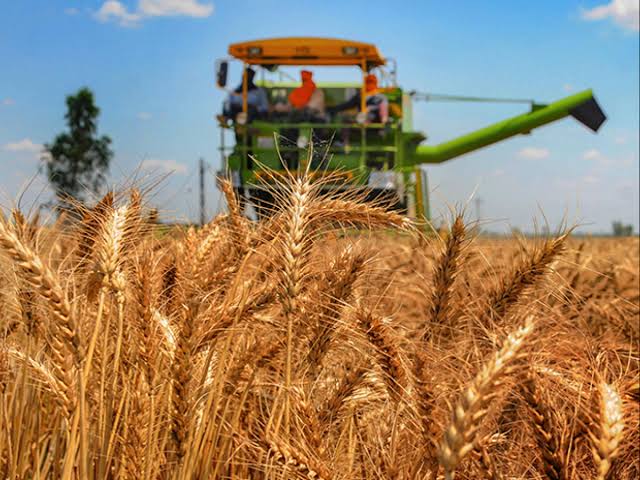
The Federal Government's WHEAT-NESS programme targets value chain development, MSME support and a dedicated fund as annual wheat consumption and imports hit six to seven million metric tonnes.

The IMF used its fiscal monitor briefing to warn against restoring broad fuel subsidies. This analysis examines the fiscal arithmetic, the politics and the realistic path for Nigeria.

Cascador and Sterling Bank have launched a $200 million SME Credit Backstop Fund designed to unlock credit for startups and small businesses that struggle to borrow.

Bisedge has secured a €10 million long-term investment loan from Finnfund to expand its electric materials-handling fleet in Nigeria and East Africa.

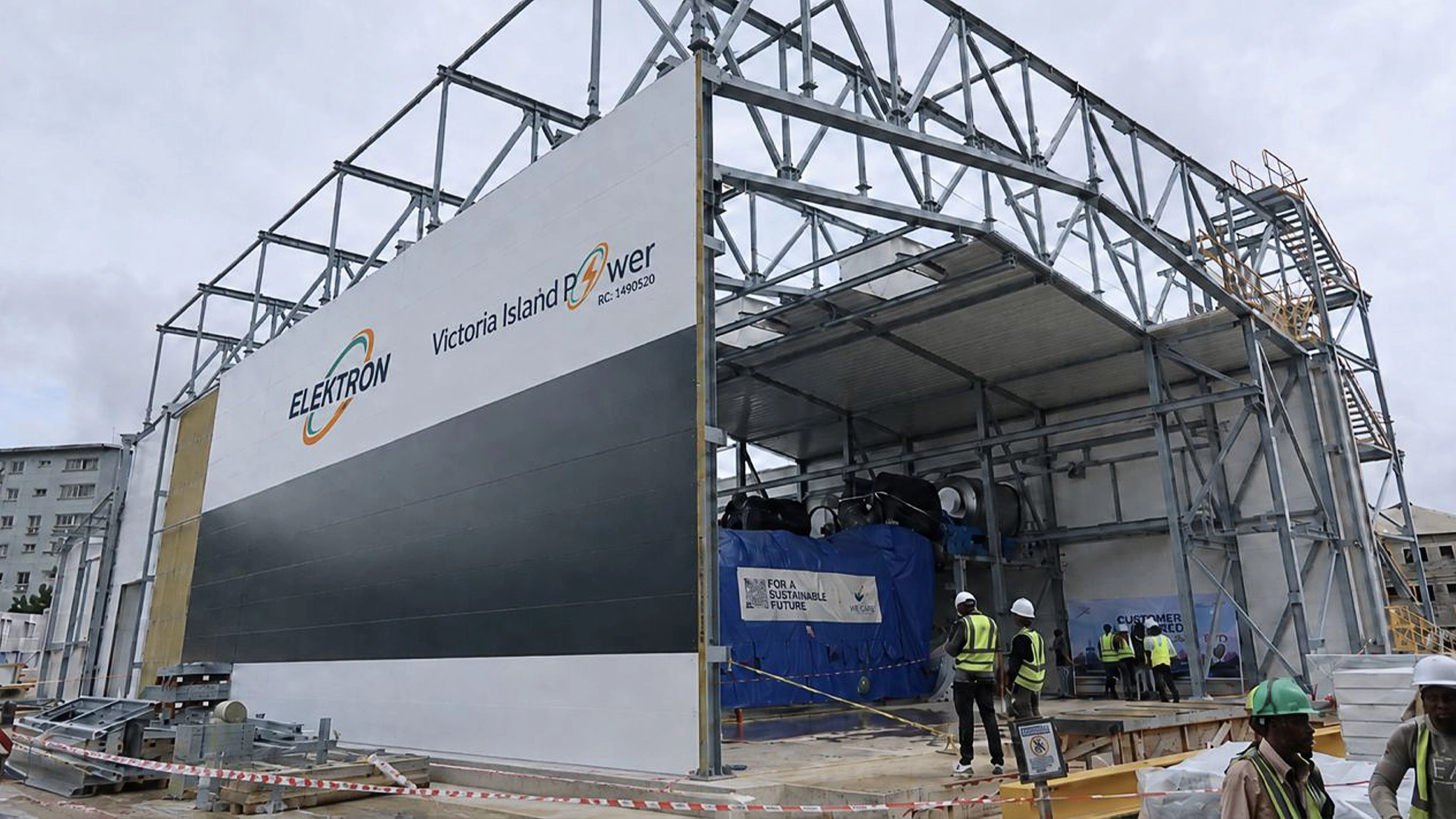
A senior Afreximbank official toured Elektron Energy's 40-megawatt plant in Victoria Island, Lagos, on Wednesday, a visit that highlights embedded power's growing role in Nigeria.

The International Monetary Fund has said Nigeria's bank recapitalisation is necessary but not sufficient, urging stronger supervision, better buffers and timely recognition of non-performing loans.

The Nigerian Exchange closed higher on Wednesday as late buying in banking and selected industrial counters lifted market value by N103.90 billion, ending two sessions of declines.

Nigeria has unveiled a pipeline of 65 investment projects requiring a combined $78.5 billion in capital, pitched to global investors at the IMF and World Bank Annual Meetings in Bangkok.

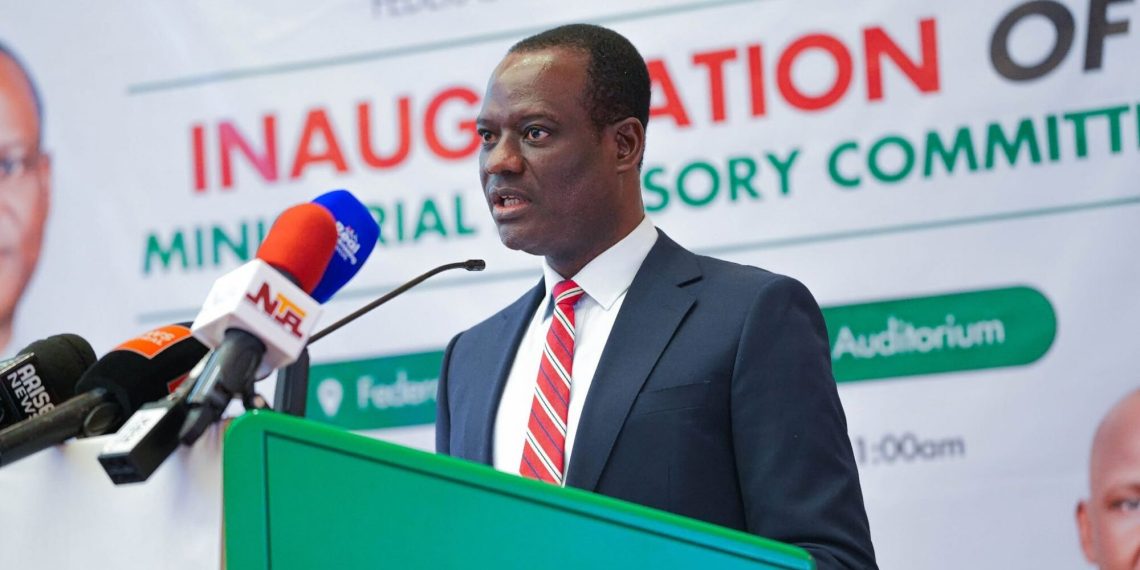
The Central Bank of Nigeria and the Federal Ministry of Finance have placed single-digit inflation at the centre of Nigeria's medium-term strategy, with Finance Minister Taiwo Oyedele estimating that achieving it would save more than $10 billion on 2026 figures.

Gross external reserves rose to an all-time high of $55.07 billion in early October while net reserves climbed to a record $46 billion, CBN Governor Olayemi Cardoso said.

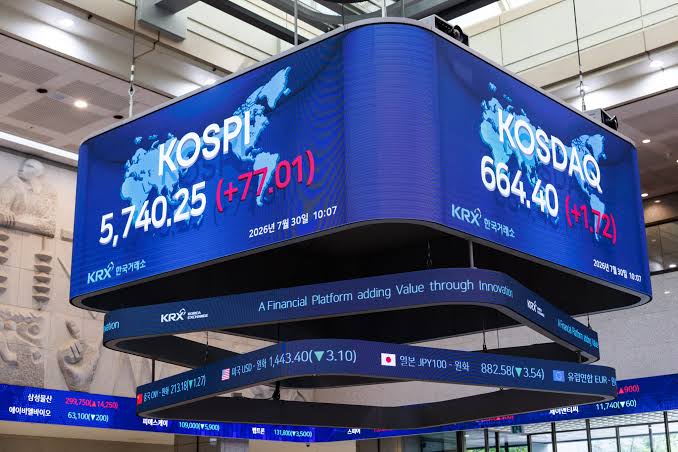
South Africa's Allan Gray is favouring Nigerian equities over South Korea's Kospi, arguing Nigeria's rally is broad-based while the Kospi is narrowly concentrated.

Brent crude rose to about $107 a barrel as Middle East attacks threatened supply through the Strait of Hormuz, a windfall and a cost for Nigeria.

Female-founded startups receive less than 1% of African venture funding, research shows, even as Nigerian startups raised $254 million in the first half of 2026.

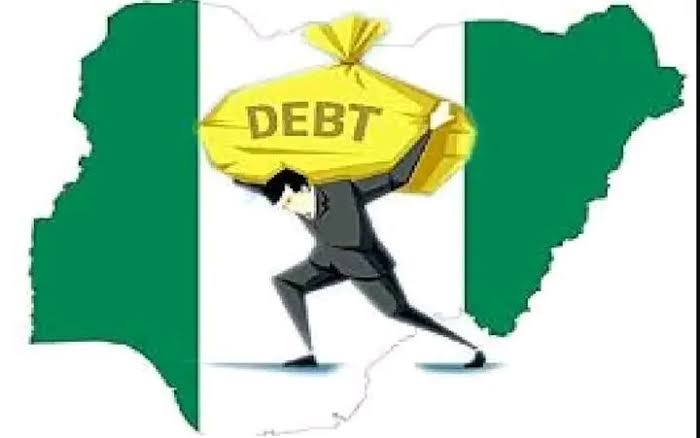
Federal interest payments consumed 124.2% of federal revenue in the first half of 2026, a stark illustration of how debt service is squeezing out investment.

NIBSS has built its National Payment Stack on Transactility's open-source jPOS technology, gaining full source-code control of Nigeria's instant payments platform.

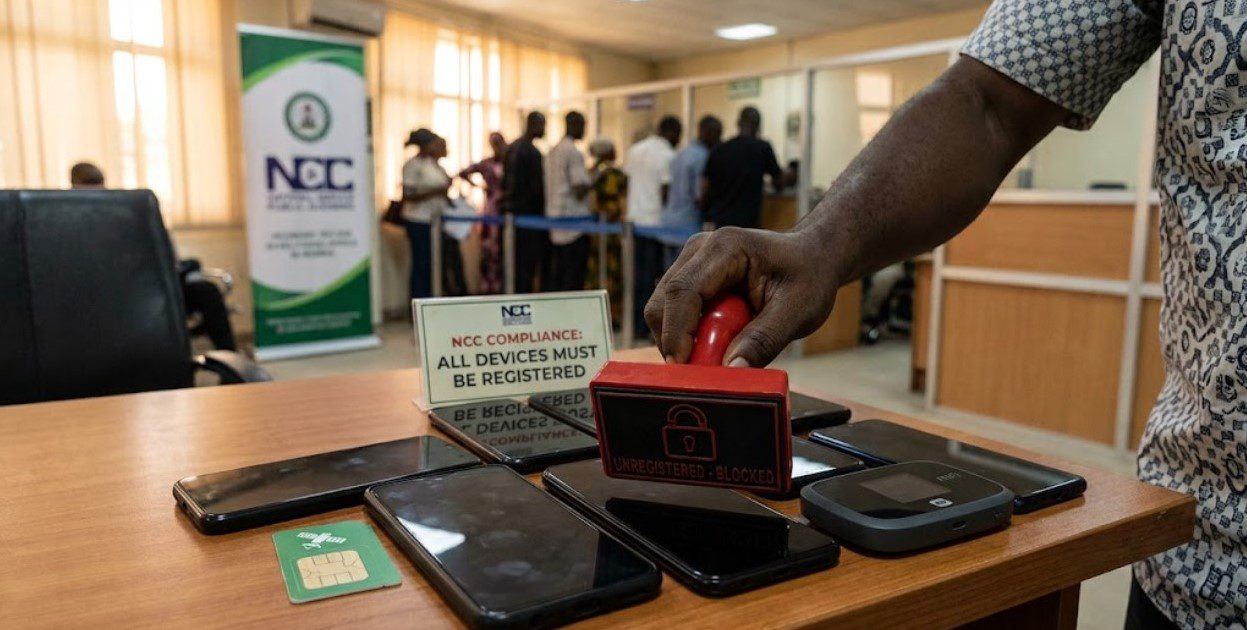
Nigerians are receiving alerts warning their phones could be disconnected after 30 days under the NCC's new Device Management System for type-approved devices.
Nigeria's stock market has surged about 66% this year on domestic money alone, raising the question of how durable a rally can be without foreign investors.

A study by BII and Swedfund found a $209 billion financing gap for Black-owned businesses across five African economies, with Nigeria accounting for $131 billion.

Nigeria's 36 states and the FCT collected N2.64 trillion in PAYE taxes in 2025, a 40.3% rise, as personal income tax dominated sub-national revenue.

Nigeria's banking system is expected to absorb about N13.25 trillion in liquidity inflows in October, the FMDA estimates, as the CBN manages excess cash.

Nigeria's external debt service fell year-on-year in the first half of 2026, but domestic debt obligations continued to dwarf the foreign bill, DMO data shows.

The Nigerian Export Promotion Council warns that exporters could lose more than $1 billion a year if they fail to meet EU deforestation rules, with cocoa most exposed.

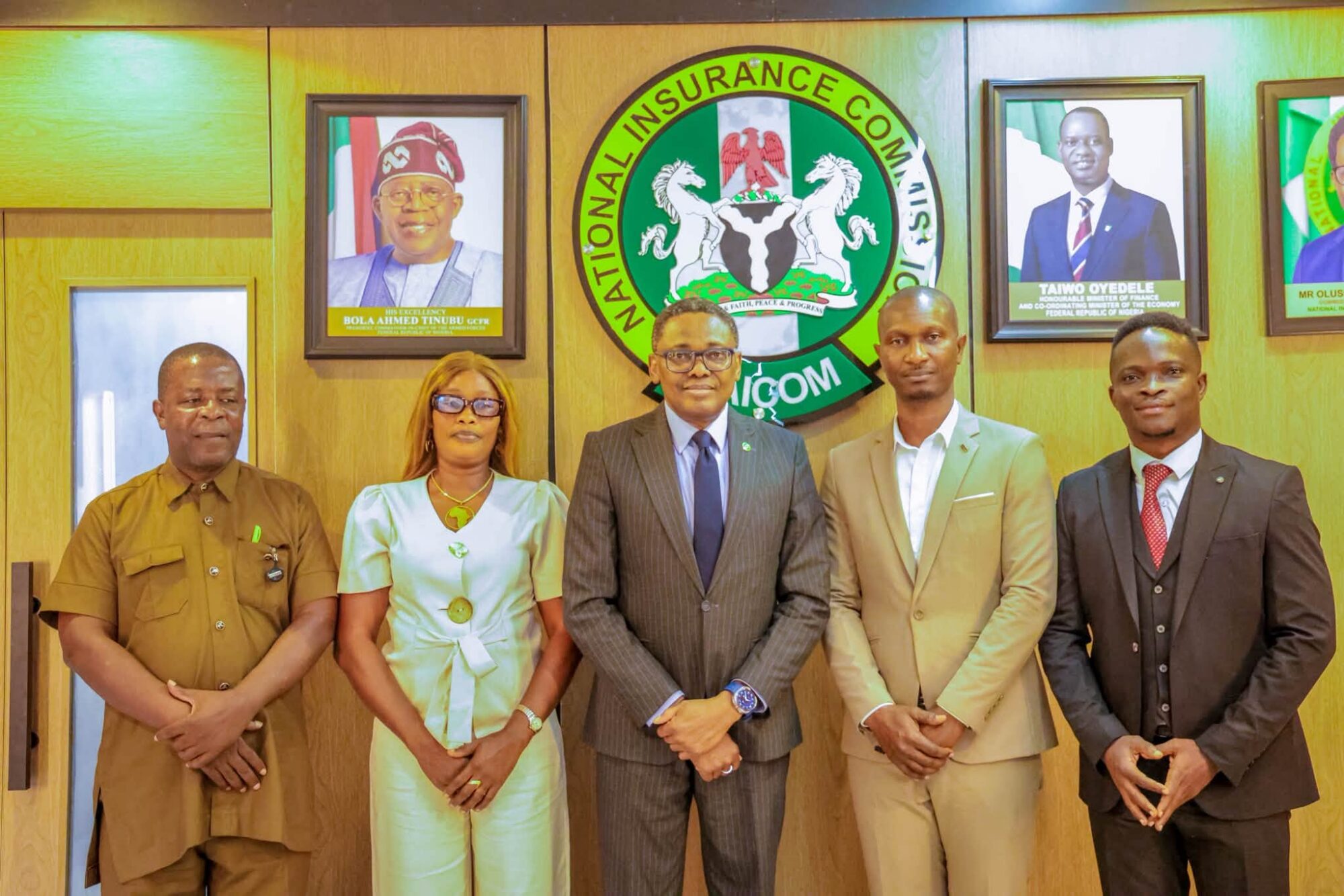
Liberia's central bank has turned to NAICOM for guidance on supervision, after Nigeria's recapitalisation raised about N720 billion and strengthened 50 insurers.

Just 245,315 of Nigeria's roughly 84.9 million informal workers are enrolled in a pension plan, exposing a vast retirement savings gap, PenCom data shows.

Nigeria-founded fintech Yellow Card has launched in Canada weeks after closing a $40 million funding round, as it pivots from consumer crypto trading to business-to-business stablecoin payments across emerging markets.

Foreign capital importation into Nigeria rose by more than 83 percent year-on-year in the first quarter of 2026, led by portfolio investments as global investors returned to the country's money and bond markets.

Nigeria's pension fund assets have grown beyond N31 trillion and now cover more than 11 million retirement savings account holders, with the regulator pushing to channel more of the money into infrastructure and the capital market.

Nigeria has launched a $500 million agriculture investment fund for the Niger Delta, pooling development finance and private capital to modernise farming and strengthen food security in the oil-producing region.

Nigerian startups attracted about $254 million in the first half of 2026, the first time funding has crossed the $250 million mark since 2022, as the country reclaimed its position as Africa's leading destination for startup equity.

The initial public offering of Dangote Petroleum Refinery and Petrochemicals was scheduled to close on October 13, 2026, a landmark test of whether Nigerian retail investors will buy into the country's biggest company.

MTN Nigeria's half-year revenue approached N3 trillion as data sales and a wider subscriber base drove profit sharply higher, reinforcing the telecoms sector's role as a pillar of the consumer economy.

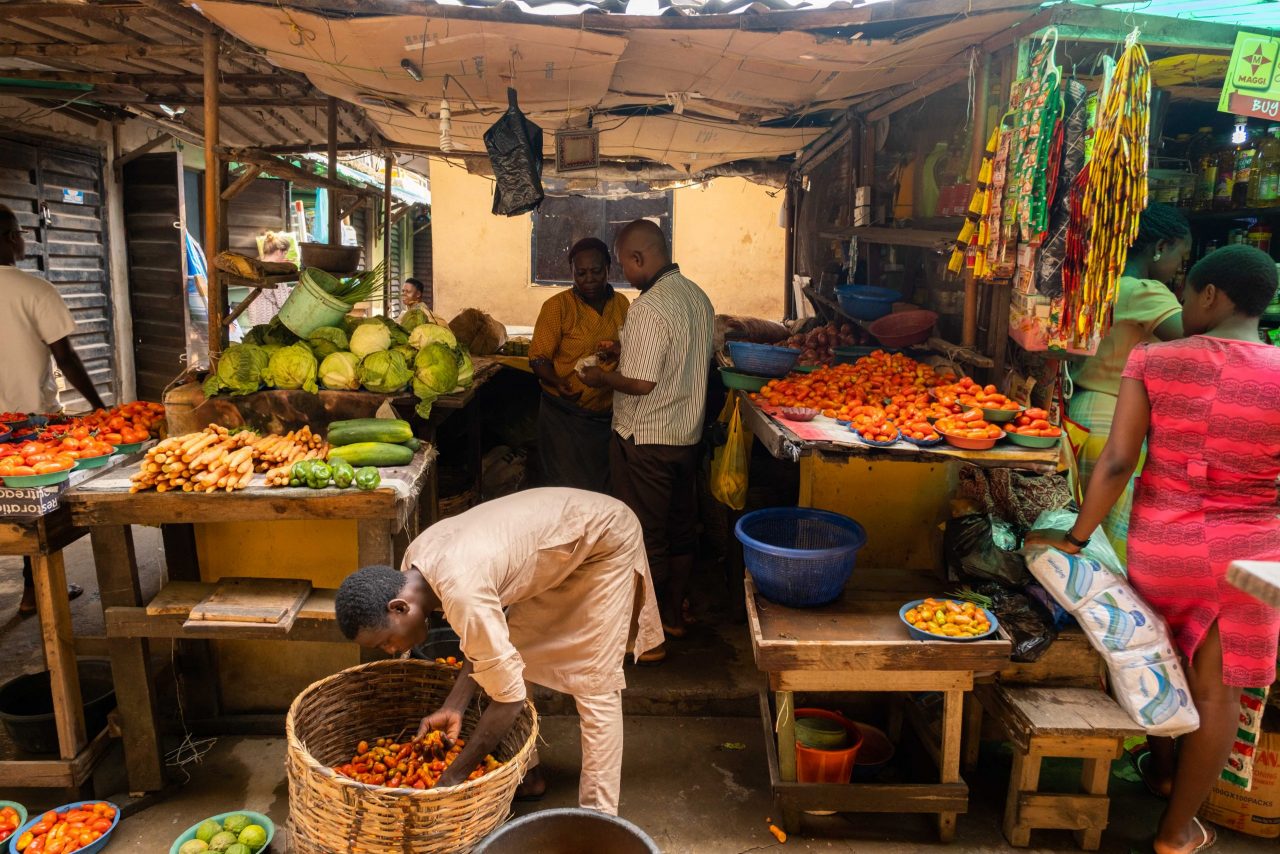
Food inflation slowed sharply in August 2026, offering relief to households, but international agencies warn that conflict and high input costs still leave millions of Nigerians acutely food insecure.

Africa's largest economy posted a record quarterly trade surplus in the second quarter of 2026 as exports outpaced imports, with non-crude receipts now accounting for more than half of outbound trade.

Nigeria's upstream regulator has recovered about 50 dormant oil fields from non-performing operators as it enforces drill-or-drop rules to lift output.

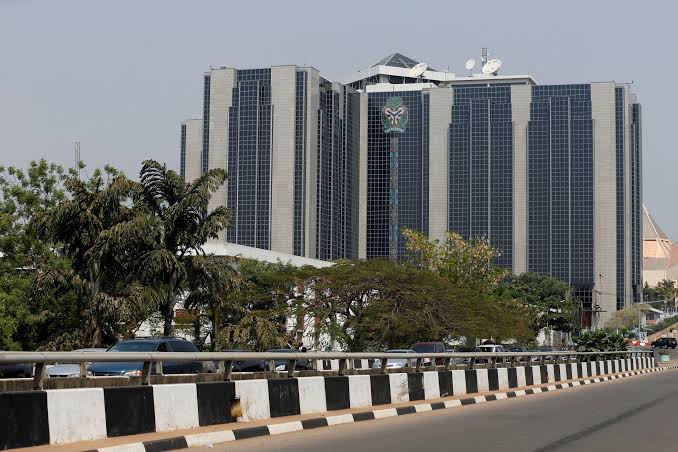
The Central Bank of Nigeria lowered its benchmark interest rate by 350 basis points on September 22, 2026, the steepest cut on record, as inflation eased for a third straight month and reserves strengthened.

Shell has agreed to sell Shell Nigeria Gas Group to Vaaris Energy Limited, the latest step in the oil major's restructuring of its Nigerian portfolio.

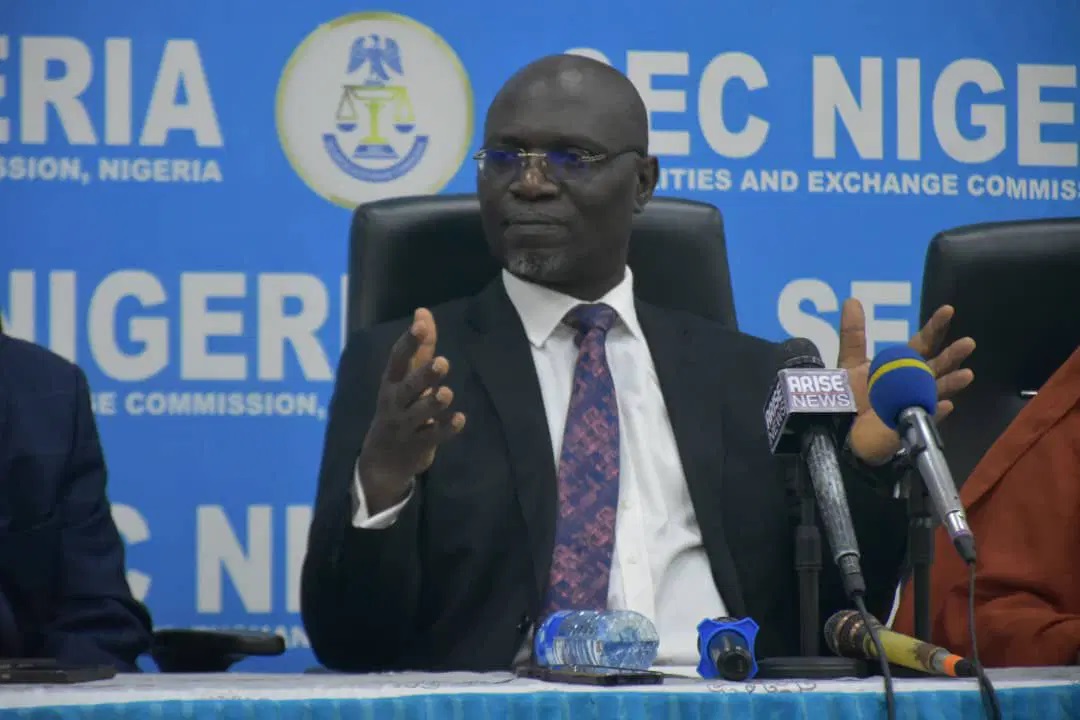
The Securities and Exchange Commission has warned that a lack of credible companies willing to list is limiting the depth of Nigeria's capital market.

The Central Bank of Nigeria is mopping up excess cash to keep money-market conditions tight, supporting the naira and inflation but keeping borrowing costs elevated.

KuCoin Nigeria has secured conditional approval-in-principle from the Securities and Exchange Commission to join its regulatory incubation programme.

Five leading Nigerian financial institutions reported a combined pre-tax profit of about N2.29 trillion in the first half of 2026, cementing banking's dominance of corporate earnings.

Turnover on the Nigerian Exchange rose to N158.29 billion in the first full trading week of October as investors repositioned ahead of third-quarter earnings.
Fitch Ratings has revised Nigeria's credit outlook to Positive from Stable, citing sustained reforms, disinflation and improved foreign reserves of $54.9 billion.

Nigeria's equities market fell for a second straight session on October 13, with the All-Share Index slipping 0.09% as investors booked profits in large-cap stocks after a record run.

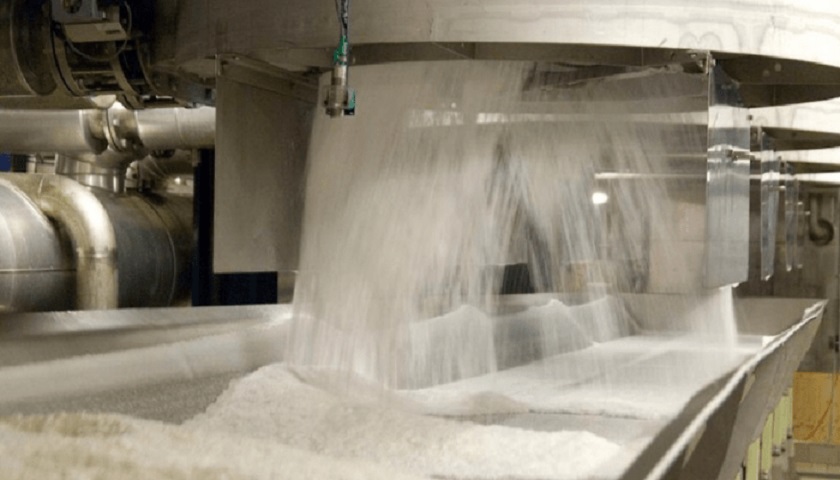
The National Sugar Development Council has unveiled a $7.1 billion, ten-year investment plan to lift annual sugar production above two million tonnes and cut reliance on imports.

Nigeria's foreign direct investment fell 92% month-on-month to $11 million in September, highlighting the gap between hot portfolio money and long-term capital commitments.

The World Bank Group says it is helping to mobilise up to $5.79 billion in private financing for Nigeria in 2026, a push projected to support about 850,000 direct and indirect jobs.

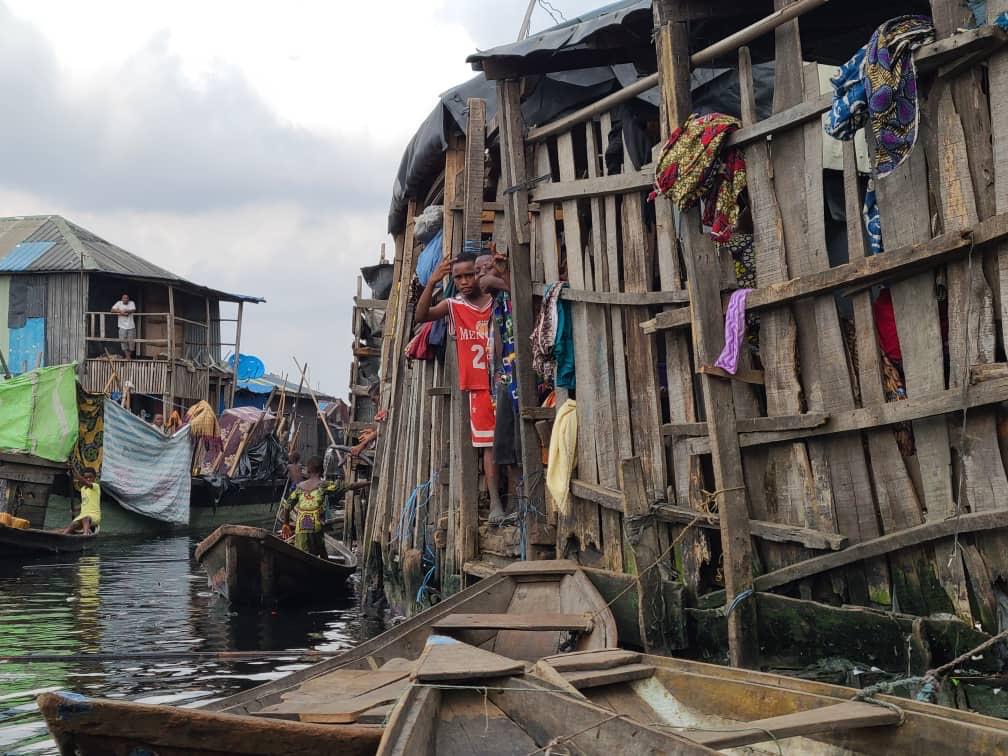
Nigeria's poverty rate rose to 38.7% in 2024 from about 33% in 2021, according to the 2026 Global Multidimensional Poverty Index, which recorded the first global rise since 2010.

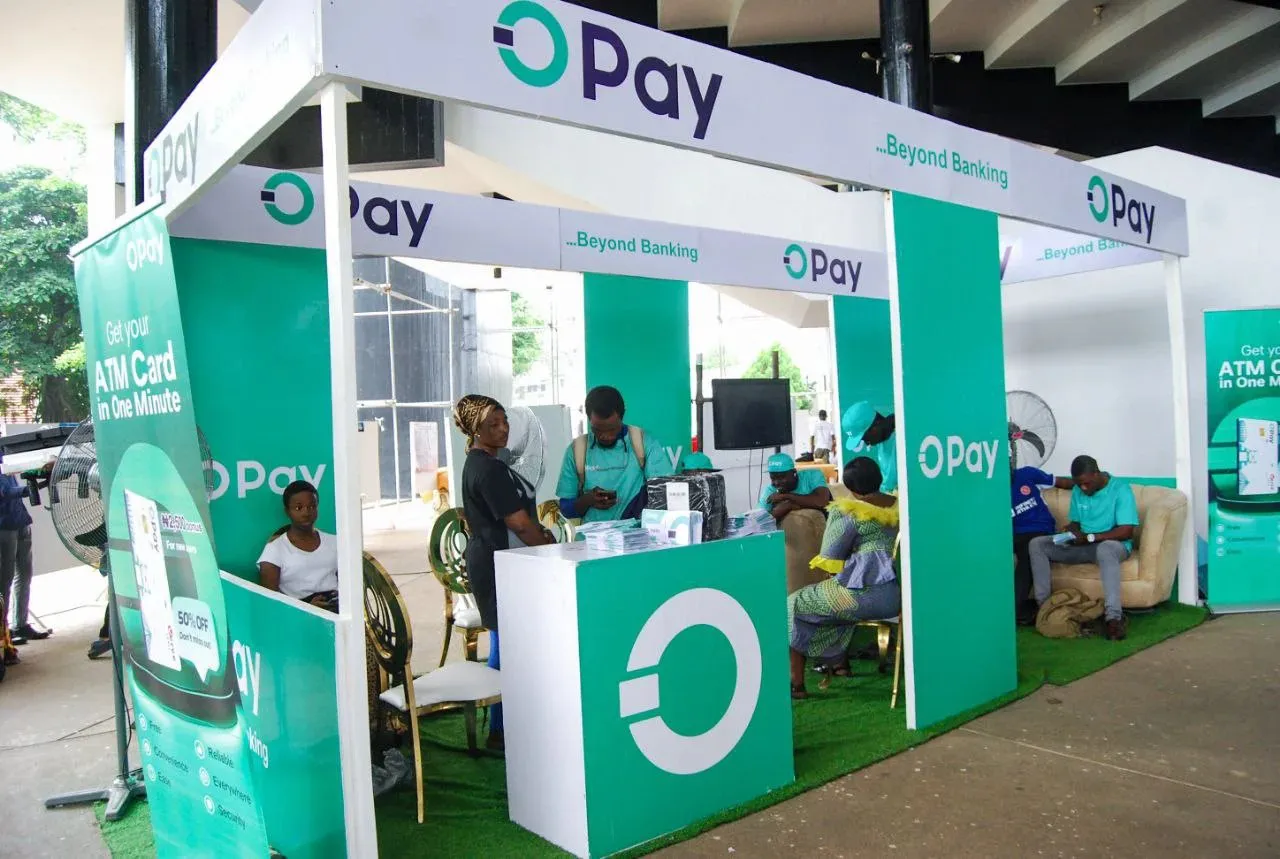
Nigerian fintech OPay has filed for an IPO on the New York Stock Exchange, targeting a valuation of about $4 billion and planning a secondary listing in Lagos.

British universities have withdrawn offers to Nigerian students as higher visa refusal rates prompt institutions to tighten screening.

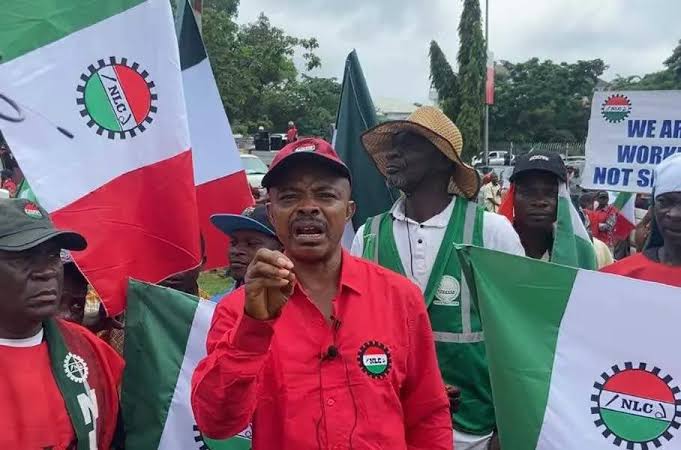
The Nigeria Labour Congress has given the federal government two weeks to address petrol prices and the minimum wage, warning of industrial action.

The IMF has warned that Nigeria's improving economic indicators are not reaching the poorest households, questioning whether the country's reforms are creating shared prosperity.

The US banking giant plans to establish a merchant bank in Nigeria before the end of 2026 and has added the country to a new emerging-market bond index, in twin votes of confidence for the capital market.

The IMF has projected that Nigeria's economy will expand by 4.2% in 2026 and 4.3% in 2027, outpacing a global economy held back by tighter conditions and uneven momentum.

Nigeria's central bank has delivered its largest-ever cut to the benchmark rate. The question now is whether banks will pass it on to the businesses and households that need affordable credit.
Nine companies disclosed funding in September, down from $364.1 million across 20 startups in the previous month.
Ten greenfield projects form part of a $7.1 billion, 10-year programme that could reduce import demand if financing, farms and factories are delivered on schedule.
The development lender says its 2026 interventions combine credit, guarantees and investment to draw commercial funding into agriculture, finance and job creation.
The agency affirmed Nigeria's sovereign rating at B but changed the outlook to positive, citing naira flexibility, disinflation and faster-than-expected reserve accumulation.
The mobility-finance company ended local operations after six years and said eligible drivers would make no further vehicle payments from 1 October.
The economy expanded faster in the first half of 2026 and retained a current-account surplus, but the development lender says stronger public revenue must translate into services and jobs.
The oversubscribed fifth fund lifts the co-investment platform's assets above $850 million and expands its exposure to emerging-market technology companies.
The latest projection is an improvement on the 4.0 percent growth recorded in 2025, with the multilateral lender expecting Nigeria’s...
Fake recruitment adverts can be distributed through social media posts, messaging groups, unofficial websites and other channels that...
According to the minister, Nigeria was producing less than one million barrels per day of crude oil and condensate when the current...

The country's largest financial group by assets has received another NGX extension for its audited first-half results while it waits for regulatory approval from the Central Bank of Nigeria.
Procurement for a six-satellite programme, including two communications spacecraft to replace the ageing NIGCOMSAT-1R, is nearly complete as the operator moves toward signing contracts.
The Stanbic IBTC Bank Nigeria PMI rose to 56.4 in September, with new orders and output expanding at the fastest pace since early 2022 across all four monitored sectors.
Nigeria has a large agricultural market and significant production potential, but gaps in processing, technology, productivity and...
Earlier in April, it approved another $266.7m plus CFA30bn for projects across Nigeria, Ghana, Senegal, Côte d’Ivoire and The Gambia. In...
The proposal centres on training and deploying more National Youth Service Corps members to farms, giving young graduates direct...
Waste Is Becoming a Supply Chain Nigeria is estimated to generate about 840,000 metric tonnes of used cooking oil annually, while more...
The $50bn Question Is Now About Delivery According to Oduwole, the investment announcements resulted from more than 80 memoranda of...
Instead of immediately borrowing heavily to purchase machinery or establish a dedicated factory, an entrepreneur could use shared...
A sustained run in financial-sector stocks lifted the value of the Nigerian Exchange to a record N164 trillion at the end of September, capping one of the strongest equity rallies in years.

The Nigerian Upstream Petroleum Regulatory Commission has given affected operators until October 31, 2026, to disclose their ...

The World Energy Council Nigeria says the country has 44 critical mineral types, but attracting serious private capital will depend on ...

External debt stood at the equivalent of ₦75.20 trillion, while the entire debt portfolio was valued at about ...
The offshore programme is expected to add about 40,000 barrels a day and marks a return to drilling by the Exxon affiliate after a decade.
At least 30 percent of the sovereign-guaranteed funding is expected to support Nigerian small and medium-sized enterprises.
Gross premium written rose 47.3 percent in 2025, while low retention in specialist risks showed why the industry's new capital rules matter.
March trade flows marked a structural shift for a country that spent decades importing petrol despite being one of Africa's largest crude producers.
The six-year programme targets one million smallholders and aims to mobilise another $220 million from agribusinesses.
Six university-led clusters will study connectivity, public infrastructure, skills, jobs, online safety and artificial intelligence under Project BRIDGE.