
Kenya’s Quickmart IPO Closes 122.7 Per Cent Oversubscribed on KSh18.41bn Demand
Applications worth 18.41 billion shillings poured in against a 15 billion target, with 18,492 bids for 2.45 billion shares at 7.50 shillings — Kenya’s strongest retail IPO signal this year.
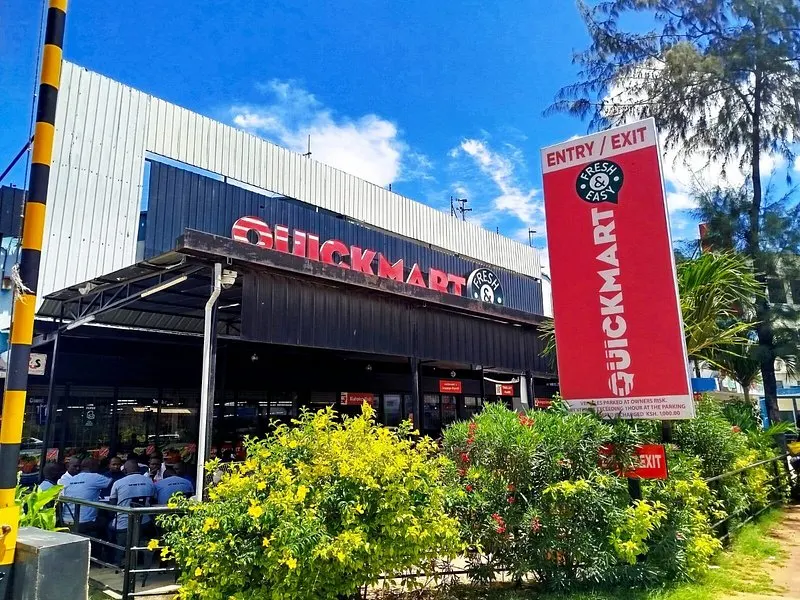
Kenyan retailer Quickmart's initial public offering closed oversubscribed at 122.7 per cent, drawing applications worth 18.41 billion shillings against a 15 billion shilling target, in one of the strongest demonstrations of East African retail-investor appetite this year.
The offer attracted 18,492 applications for approximately 2.45 billion shares at 7.50 shillings each, against 2 billion shares available, according to figures reported by Business Tech Africa. The subscription level means allocation will be scaled back across the book, and the excess demand — more than 3.4 billion shillings above target — gives the supermarket chain's bankers the kind of cover that turns an IPO from a gamble into a priced event.
Why a supermarket IPO matters this much
Quickmart is a modern-trade success story in a retail landscape defined by informality: a fast-growing supermarket chain that expanded through Kenya's consumption downturn and emerged as a credible challenger to the country's established grocers. Listing it hands East Africa's most liquid retail market a pure consumer-exposure stock — a sector the Nairobi Securities Exchange has historically lacked — and gives households whose spending drives the company's revenue a direct claim on that growth.
The 18,492 applications are the strategically meaningful number. African exchanges have spent a decade trying to widen participation beyond institutional money, and each retail-heavy listing builds the base the next listing inherits. Kenya's IPO revivals — and the Stanbic Bank Botswana and Banque du Caire listings elsewhere on the continent earlier this quarter — form a pattern: African capital markets are reopening their primary-issue windows after years of drought.
What the oversubscription signals
Demand at 122.7 per cent tells investors three things about the region. First, domestic institutions and retail households have cash and are willing to commit it to equity risk — in a year when Kenya's shilling held steady near 129.85/130.05 per dollar and inflation at 7.3 per cent has cooled from its peaks. Second, the consumer economy is investable: a business built on Kenyan grocery baskets priced its IPO into strong demand despite the macro. Third, pricing discipline works — at 7.50 shillings, the offer left value on the table for incoming shareholders, which is how you build a reputation for the next deal.
The timing also benefits from momentum: Kenya's Stanbic purchasing managers' index hit 52.5 in October, its strongest reading of 2026 and its first expansion in eight months, so the IPO closed into an economy that is accelerating rather than contracting.
What happens to the money
Oversubscribed books create their own obligations. The company must deploy expansion capital at returns that justify the valuation, allocations must be managed to keep the shareholder base broad enough for liquidity but concentrated enough for governance, and the post-listing market must absorb scaled-back applicants who may sell on day one. IPOs that clear their target by a fifth typically list firm; the ones that fail do so when the growth story behind the book is thinner than the demand suggested.
For the Nairobi exchange, the float adds a dynamic consumer name to a bourse whose benchmark has lagged regional peers, and gives fund managers benchmarking East African consumption a domestic instrument they previously had to synthesise through South Africa-listed retailers with Kenyan operations.
The continental read-through
The allocation mechanics also matter for how the story ages. Scaled-back applicants who missed out become the natural early buyers on listing day, which supports the debut price; a broad, slightly disappointed book is, counterintuitively, the healthiest launch condition an African exchange can offer a new stock.
Quickmart's book is the latest evidence in a reopening sequence that includes Egypt's activity, Nigeria's bumper T-bill and equity flows, and Côte d'Ivoire's infrastructure finance. African primary markets are funding real operating businesses again — supermarkets, power plants, banks — and getting oversubscribed while doing it. For issuers across the continent waiting for their window: Nairobi just showed it opens on proven retail earnings, disciplined pricing and a broad book.
Up next
Kenya’s Private Sector Wakes Up: PMI Hits 52.5, Its Best Reading of 2026
October’s Stanbic PMI delivered Kenya’s first expansion in eight months, joining Nigeria’s five-month growth streak — with inflation still running at 7.3 per cent across the region.
More in Business
See all
Pipeline Outages Deferred 42.55 Million Barrels and $2.97bn of Output in 2025, NUPRC Data Show
The upstream regulator’s figures turn Nigeria’s chronic evacuation losses into a hard number — weeks of national production that never reached a buyer or the federation account.

Côte d’Ivoire Powers 1.7 Million People From Cocoa Waste With West Africa’s Largest Biomass Plant
The 46 MW Biovéa plant at Ayébo will generate about 348 GWh a year from agricultural residues — the first Ivorian biomass facility to feed the national grid.

Afreximbank Targets $1bn in Deals at CANEX WKND Lagos as Creative Finance Grows Up
The pan-African bank is framing the creative-economy gathering as an origination platform, with film, music and fashion deal categories designed to turn cultural output into bankable cash flow.
About the author
Ngozi Eze
Companies Reporter
Ngozi Eze writes for BusinessPress.


