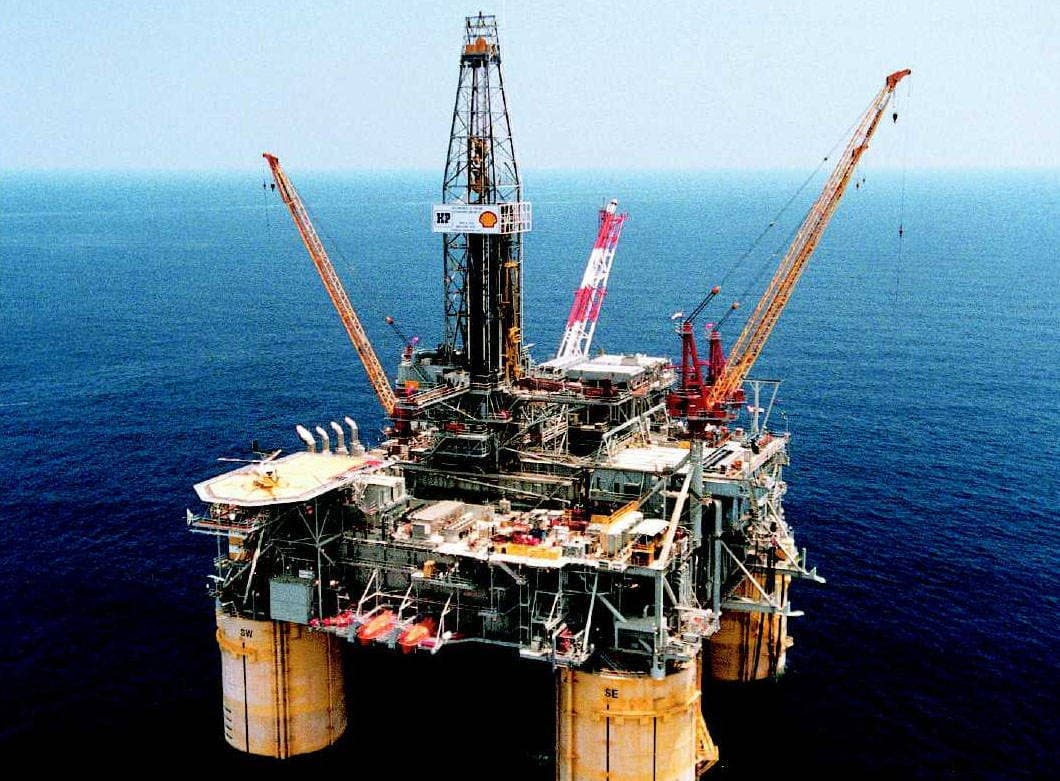
Brent tops $116 a barrel, a six-month high, as Houthi attacks stoke supply fears
Brent crude settled at $116.72 on October 23, 2026, its highest close since April and a third straight weekly gain, while WTI held above $103 and Nigerian Bonny Light traded near $124.
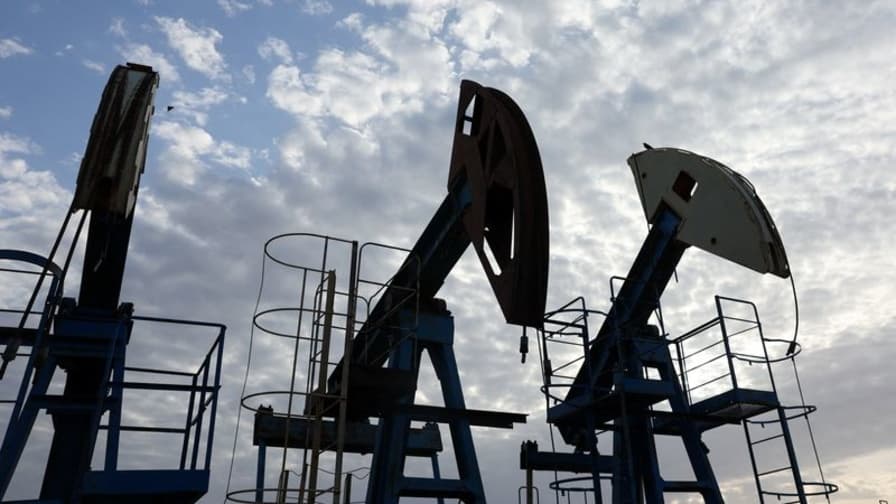
Brent crude pulled back below $116 a barrel on Monday, October 26, 2026, after a five-session advance carried the benchmark to a six-month high of $116.72 at Friday's settle, Rystad and Reuters analysis shows. The dip was technical rather than fundamental, and Nigerian importers, exporters and treasury desks should read the week's parabolic move as the real news for their planning.
On Friday, October 23, Brent gained 3.1 per cent to settle at $116.72, the highest settlement since late April, while West Texas Intermediate rose 3.8 per cent to $103.27. Brent finished the week up about 6.2 per cent, its third consecutive weekly advance and its largest weekly gain in roughly two months, as traders increasingly priced the prospect of renewed United States strikes on Iran after the midterm elections in early November.
Why the war premium keeps rising
The escalatory driver is explicit. Iran's army chief said through state media that Tehran is fully prepared for what it called asymmetric warfare, while Iran-aligned Houthi forces carried out drone strikes inside Saudi Arabia, including attacks near the Shaybah field and King Fahd International Airport in Dammam that Saudi officials said killed and wounded personnel. Reuters reported that Saudi Aramco instructed staff at its Dhahran headquarters to work remotely, and the US State Department ordered non-essential diplomatic personnel out of the kingdom.
Rystad Energy's Jorge Leon told Reuters that the market is pricing a risk of escalation which Washington may only act on after the vagaries of the November 3 midterms, an argument that structurally supports higher prices even if physical flows stay intact. Commonwealth Bank of Australia's Vivek Dhar, in a client note, estimated Brent would need to reach about $150 a barrel before demand destruction in emerging Asian economies becomes uncontrolled, framing how much further the price could theoretically climb.
[irp]
What the Monday pause means
Friday's 14-day relative strength index topped 74, well above the 70 threshold many traders treat as a signal of overbought conditions, and the Monday dip reflects that technical pressure alongside familiar diplomatic rhetoric. President Trump described the situation as approaching decision time on either a deal with Tehran or further military action, and Iran's foreign minister argued no rational actor would initiate an attack. Neither statement removed the underlying supply risk, and official crude shipments through the Strait of Hormuz have so far recovered to near pre-war levels.
For oil-linked assets monitoring, the significant number is not the daily wiggle but the year: Brent has roughly doubled since the United States and Israel launched strikes on Iran in late February, and Nigeria's own Bonny Light traded near $124 per barrel in Friday's session, a premium consistent with the quality and freight terms of Nigerian grades. Dated Brent's run above $110 for much of the week effectively set a new distribution problem: how local prices adapt at pumps, trucking tariffs and factory fuel bills.
[irp]
Nigerian implications: windfall and squeeze
Higher crude prices improve Nigeria's receipts at the same time that they badly hurt the cost side of every dollar-linked import. The Federal Government collects oil revenue on terms that rise with the international price, foreign reserves have been building on the back of stronger export receipts, and domestic production of about 1.7 million barrels per day of crude and condensate in August, according to Nigerian upstream data, is earning more per barrel than at any recent reference point.
The same price surge, however, pushes landing costs up for petrol and diesel marketers and therefore pressures transport fares, food logistics and manufacturing margins, the transmission channels that immediately determine consumer inflation ahead of the next National Bureau of Statistics release. Motorists and manufacturers face a market where pump prices can move in both directions in the same week, as Friday's reductions at several Lagos and Port Harcourt depots showed even while diesel climbed steeply, and the risk of renewed escalation keeps refiners and importers conservative about forward cover.
[irp]
The calendar now driving the market
Three dates matter in the next two weeks. Israeli elections on Tuesday, October 27, could reshape the regional conflict's direction, the US Federal Reserve's policy decision on Wednesday, October 28, will influence the dollar and the cost of emerging-market financing, and the US midterms on November 3 are when several analysts, including Rystad's Leon, expect the next major escalation decision from Washington. Each event can move Brent's price path enough to affect Nigerian budgets, FX reserves and transport tariffs.
[irp] For investors, the lesson from this week is that oil has re-entered the phase where policy choices, not inventory balances, set the price. Nigerian portfolios holding energy equities, fuel-importing businesses and naira cash balances should therefore stress-test the scenarios rather than extrapolate a single trend: sustained $120-plus Brent is a revenue windfall for the Federation but a cost shock for the same economy's consumption side.
[irp]
Up next
Aradel hands NGX a negative week as profit-taking outweighs the oil rally
Aradel fell 6.33% in the week ended October 23, 2026, the single biggest drag on the Nigerian Exchange, with Friday turnover of N4.20bn pointing to institutional distribution even as Brent rallied to a six-month high.
More in Markets
See all
Wall Street Logs Worst Week Since June as AI Selloff Deepens and Oil Jumps
A broad selloff in technology shares dragged the Nasdaq to its worst week since late June, while Brent crude surged on Middle East supply risks.
Gold Hits Record High as Oil Slides and Markets Hedge Global Risk
Bullion climbed to about $4,145 an ounce on central-bank buying and rate-cut bets, diverging from crude in a market that is hedging rather than celebrating.
Hot US Inflation Jolts Global Markets as Fed Rate-Hike Bets Jump
US consumer prices rose 3.7 per cent year on year in September, above expectations, jolting global markets and lifting bets that the Federal Reserve may raise rates.
About the author
Kwame Mensah
Markets Correspondent
Kwame Mensah writes for BusinessPress.