Shettima Says Nigeria’s Economy Is ‘Back on a Clear Path’
Vice-President Kashim Shettima said Nigeria’s economy is back on a clear path, addressing policy leaders in Abuja on Monday, October 26, as government officials defended the record of the reform programme amid fresh evidence of disinflation and equity market gains.
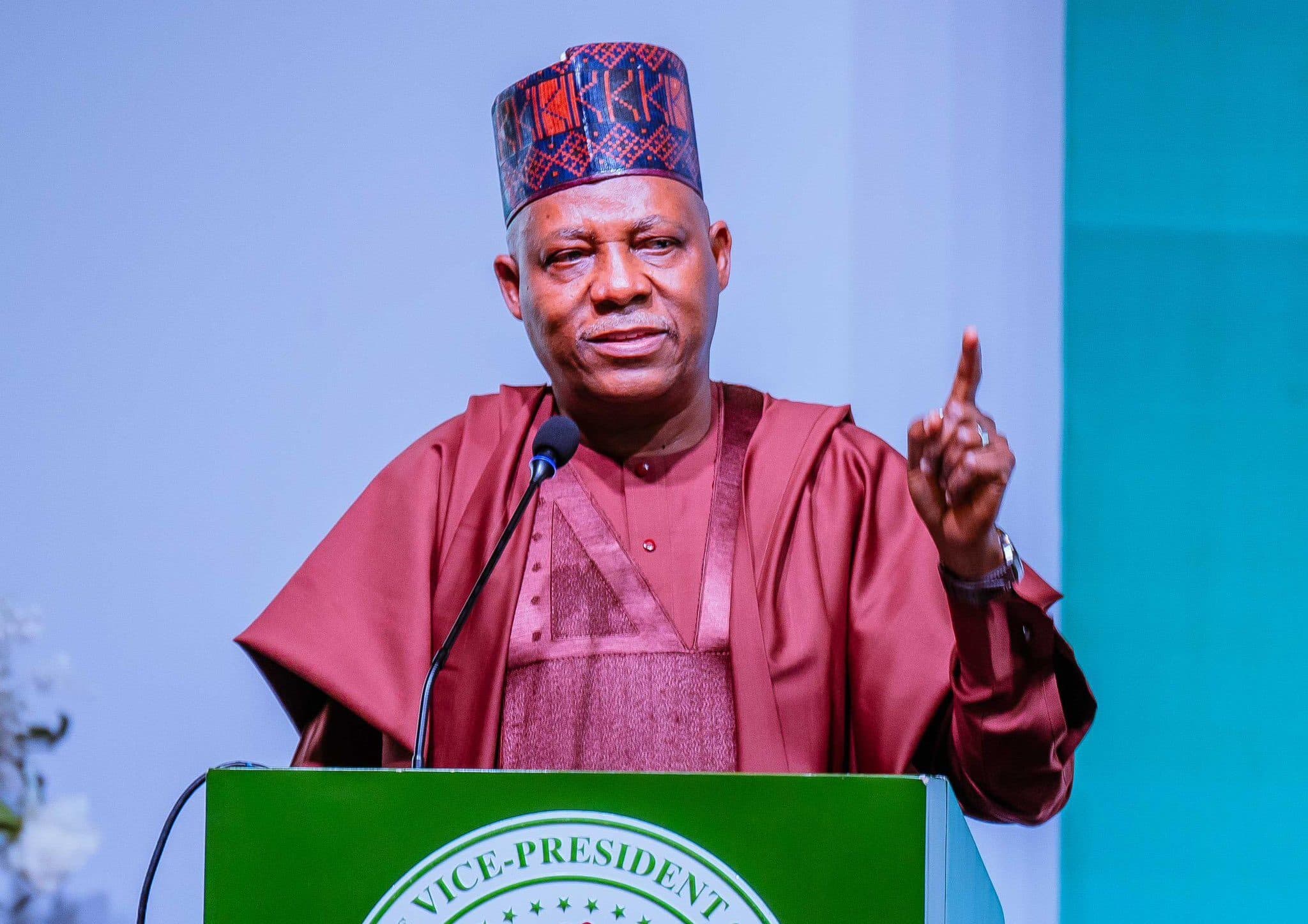
Vice-President Kashim Shettima said on Monday, October 26, 2026, that Nigeria’s economy is “back on a clear path,” a claim he made during Abuja policy engagements reported by Independent Newspaper Nigeria. The statement radiates a government communicating confidence amid the most sustained run of positive economic datapoints it has registered since the reform programme began.
The assertion rests on three legs officials have repeated through the autumn: disinflation that has brought headline price growth into the mid-teens after the statistical rebase, an official exchange rate that has held near ₦1,331 per dollar with reserves above $55 billion, and an equity market whose record ₦163.16 trillion capitalisation Monday testified to private capital’s re-engagement with Nigerian assets.
But the statement also lands weeks before the January 2027 general election campaign takes over the public square, a calendar fact that ensures every description of the economy’s condition will be contested along partisan lines as well as economic ones.
[irp][irp][irp][irp][irp]
The Evidence Behind the Claim
The administration can point to several measures in which the 2026 numbers genuinely moved its way. Inflation has moderated from the local peaks recorded before the CPI rebase, and the Central Bank responded with a historic 350-basis-point cut to 23% in late September — the largest single easing move in its history — a policy action that would not have been available without the disinflation that preceded it. The money market’s own pricing confirms the shift: average Treasury bill yields closed recent sessions around 17.98%, according to Proshare’s market data, well below the panic-era levels of 2023-24.
The FX story is similar in spirit. After the June 2023 liberalisation and theebb-and-flow traumas that followed, 2026 has delivered unusual official-market stability punctuated by Friday’s brief slide and Monday’s recovery to ₦1,331.28 per dollar. Oil production averaging around 1.7 million barrels per day for the domestic-absorption push and reserve building above $55 billion have given the currency a floor that was missing in the early reform years.
The Unsolved Problems That Complicate the Picture
Three structural problems still push back against the “clear path” framing. Food inflation remains the economy’s single most painful distributional reality even as the headline moderates — the Agricultural sector’s own price reliefs remain insufficient to reverse the purchasing-power erosion households have absorbed. Power supply remains a binding constraint: the Ministry of Power’s own recent disclosures that companies were accused of siphoning about 150 megawatts from the grid underscore how far capacity shortfalls still run. And the fiscal picture still leans on oil receipts and debt service costs that consume the largest share of federal spending, leaving capital expenditure hostage to revenue performance.
None of these invalidate the administration’s broader case — that the economy exited a decade of crisis management and entered a genuine structural adjustment — but they explain why every official description of progress meets scepticism from the affected constituencies, a dynamic that general elections will only amplify.
What Investors Will Price From the Message
Markets have treated the administration’s confidence as corroborated rather than rhetorical: the Nigerian Exchange set a fresh capitalisation record the same Monday, bond yields have eased on disinflation, and foreign portfolio flows have returned to Nigerian equities in 2026 after years of net outflows. Investors’ remaining questions are neither about direction nor intent, but about sequencing — whether the state-owned enterprise listings, the FX market’s depth-building steps and the tax-reform implementation arrive fast enough to sustain the returns that validated the path in the first place.
The rest of the week offers checkpoints that will test the claim directly: Tuesday’s close of the Dangote Petroleum Refinery’s public offer, the Federal Reserve’s Wednesday decision, and the fresh treasury securities auctions that will show whether a liquidity-flush system is still willing to price Nigerian risk at improving levels.
Up next
PENGASSAN Suspends Planned Nationwide Strike as Oil Firm Moves to Recall Sacked Workers
Oil workers under the Petroleum and Natural Gas Senior Staff Association of Nigeria resolved on Monday afternoon, October 26, to suspend a planned nationwide strike after an oil company moved to recall sacked workers, BusinessDay reported.
More in Economy
See all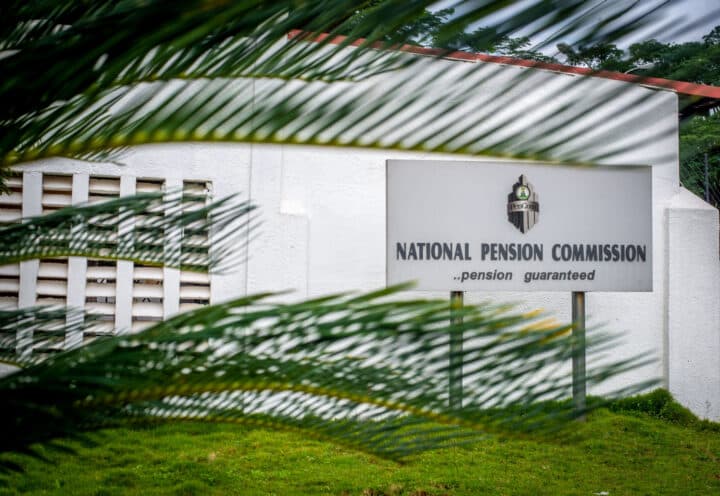
National Pension Week Opens Monday With PenCare Healthcare and Minimum Pension Guarantee in Focus
Nigeria’s maiden National Pension Week opened on Monday, October 26, with the National Pension Commission spotlighting PenCare, its retiree healthcare programme, and the Minimum Pension Guarantee initiative designed to lift incomes for low-income retirees under the Contributory Pension Scheme.
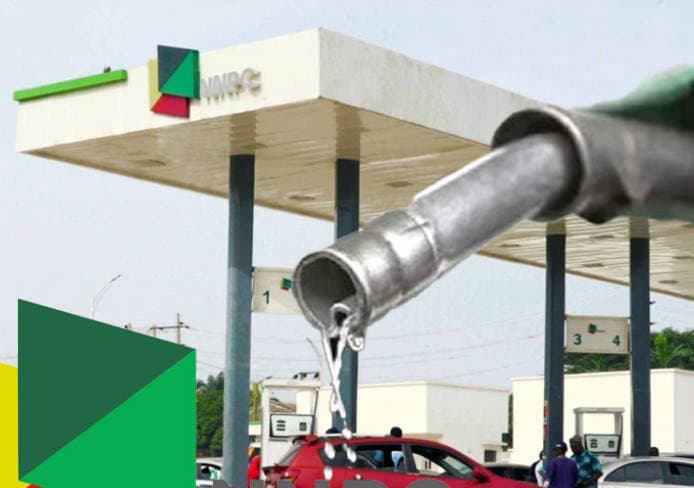
Mixed Reactions Trail FG’s Pump Price Discount at NNPC Filling Stations
Reactions have trailed the Federal Government’s introduction of a discounted pump price at NNPC Limited’s retail stations, New Telegraph reported on Tuesday, October 27, with consumers welcoming the relief while independents and analysts question the scheme’s structure and sustainability.

Bonny Light near $124 revives domestic absorption debate as output holds at 1.7mbpd
With Bonny Light near $124 a barrel and August output around 1.7mbpd, market analysts are renewing the case for committing more Nigerian crude to domestic refining under the naira-crude framework.
About the author
Tunde Balogun
Economics Correspondent
Tunde Balogun writes for BusinessPress.
More by Tunde Balogun