PENGASSAN Suspends Planned Nationwide Strike as Oil Firm Moves to Recall Sacked Workers
Oil workers under the Petroleum and Natural Gas Senior Staff Association of Nigeria resolved on Monday afternoon, October 26, to suspend a planned nationwide strike after an oil company moved to recall sacked workers, BusinessDay reported.
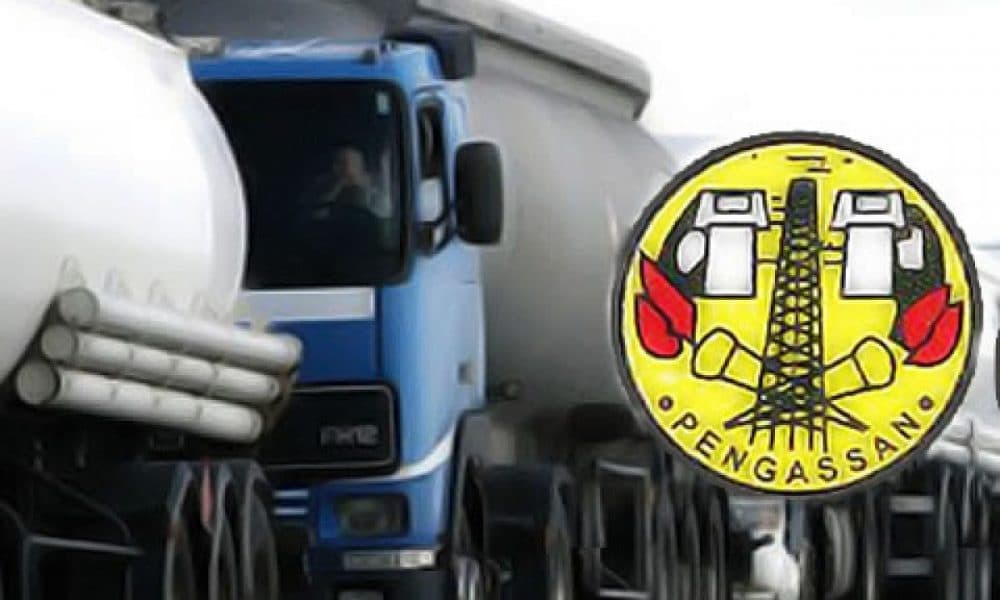
Nigeria’s senior oil workers’ union stood down a planned nationwide strike on Monday afternoon, October 26, 2026, BusinessDay reported, after the management of an oil production company signalled it would recall employees whose appointments it had terminated. The Petroleum and Natural Gas Senior Staff Association of Nigeria (PENGASSAN) took the decision at its leadership level, averting what would have been one of the most disruptive labour actions of the year had it gone ahead.
Nationwide oil-sector strikes carry outsized consequence in Nigeria more than in most economies. Production shut-ins in earlier disputes have cost operators export cargoes and the federation treasury hundreds of millions of dollars during a period when the government is budgeting against crude-based assumptions. A commercial resolution — even a partial one that stages recalls over coming weeks — removes an immediate risk to the production line at the very moment the Dangote Petroleum Refinery’s share offer closes and global oil markets oscillate around $100-plus WTI.
The backdrop to the dispute is the recurring tension between operators’ efficiency programmes and job security in a sector where expatriate-heavy technical roles, local content requirements and ageing assets collide. PENGASSAN, which represents senior supervisory and technical staff across upstream and downstream companies, has consistently framed its actions as defending both members’ employment and the integrity of local-content rules.
[irp][irp][irp][irp][irp]
What Led to Monday'sU-turn
BusinessDay’s reporting indicated the union shifted after the company committed to re-engagement of workers it had let go, moving the dispute from confrontation back to negotiation. Union leadership instructed members to remain at duty posts while the negotiated recall framework is executed — a standard pattern in Nigerian oil-sector industrial relations, where agreements get implemented in phases after the strike threat is lifted.
The politics of the case matter as much as the operational outcome. The administration has courted both halves of the equation this year: courting energy investors withFileStream reforms, divestment approvals and crude production campaigns, while simultaneously managing union expectations on job creation and local-content enforcement. A strike that would have idled terminals in the week the refinery offer closes would have forced authorities to choose publicly between the two constituencies. Monday’s resolution lets them avoid that choice.
What Employers and Investors Should Watch
Three follow-throughs will tell investors whether the truce holds. First, the recall schedule itself — whether the company reinstates the affected staff within the new timeline or stretches the process into a new sticking point. Second, the sector’s other unresolved disputes, since union actions in one company frequently acquire solidarity dimensions that pressure other operators. Third, the broader production backdrop: with crude output targets central to the 2027 budget and the country’s deficit plan, even short strikes carry leverage that makes operators likelier to concede early rather than test union resolve.
For bond and equity investors, the immediate effect is subtle but real: the strike’s suspension removes one projectable tail risk from the sector-at-risk scorecard that ratings agencies and asset managers maintain for Nigeria’s energy economy. The production line runs uninterrupted, cargoes sail on schedule, and the week’s macro events — the refinery offer closing, the Fed decision, oil’s diplomacy-driven dip — can be priced without a domestic labour variable layered on top.
The episode is also a reminder of where Nigeria’s energy economy finds its durability: not in the price of crude, which has swung violently around $100-plus WTI through October, but in the institutional capacity to resolve the disputes that would otherwise turn price shocks into production losses. Monday’s outcome suggests that capacity worked.
Up next
National Pension Week Opens Monday With PenCare Healthcare and Minimum Pension Guarantee in Focus
Nigeria’s maiden National Pension Week opened on Monday, October 26, with the National Pension Commission spotlighting PenCare, its retiree healthcare programme, and the Minimum Pension Guarantee initiative designed to lift incomes for low-income retirees under the Contributory Pension Scheme.
More in Economy
See all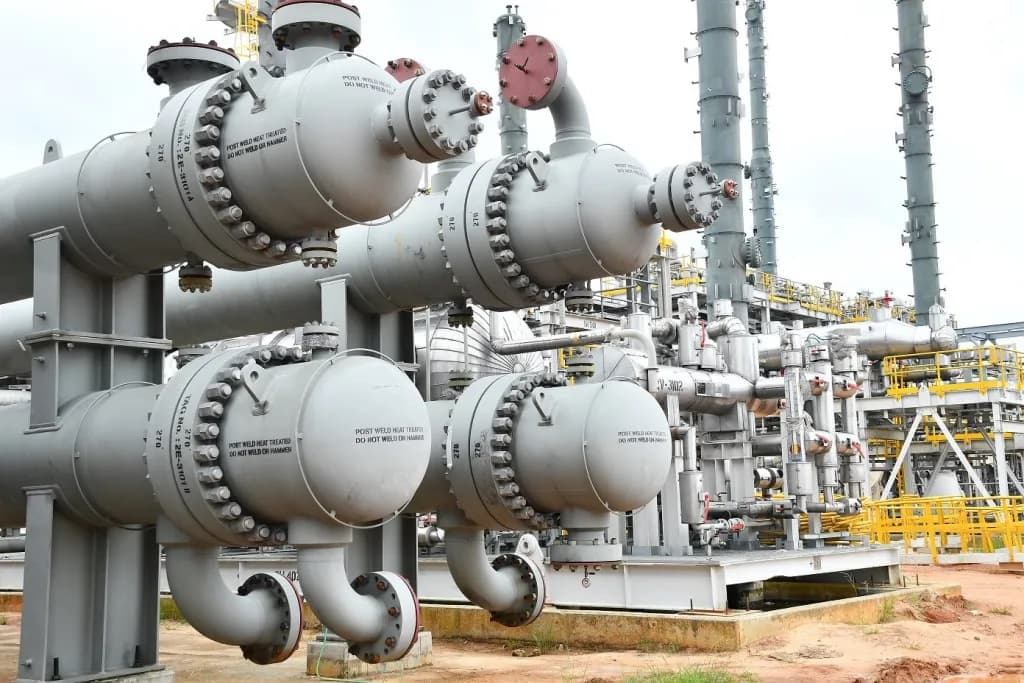
NMDPRA Expands Gas Supply Access to Power and Fertiliser Plants Under New Network Code
The Nigerian Midstream and Downstream Petroleum Regulatory Authority has announced a new gas network code that widens third-party access to gas transportation infrastructure for power generation and fertiliser plants, in an aim to deepen domestic gas utilisation, THISDAY reported on October 26.
Shettima Says Nigeria’s Economy Is ‘Back on a Clear Path’
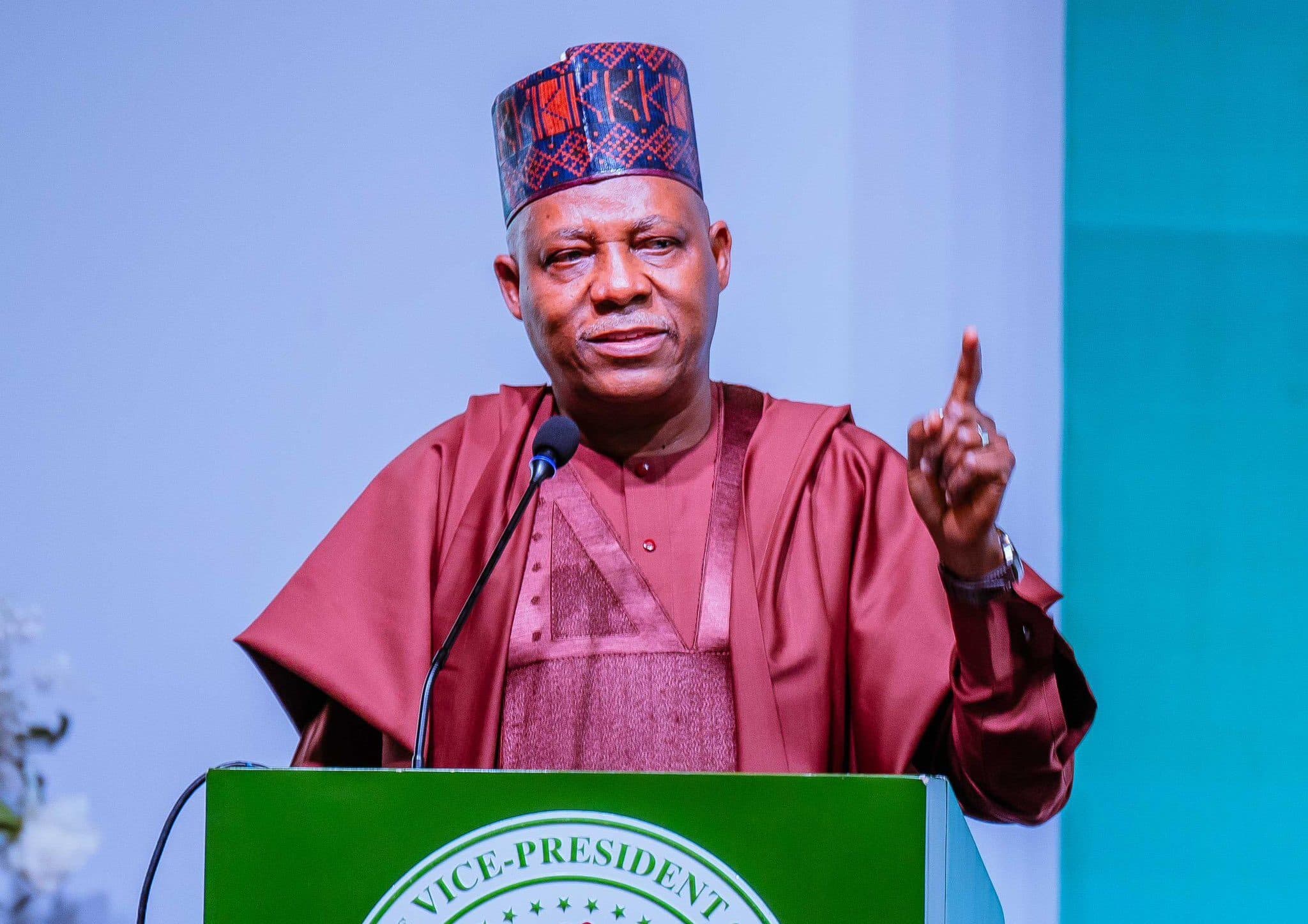
Vice-President Kashim Shettima said Nigeria’s economy is back on a clear path, addressing policy leaders in Abuja on Monday, October 26, as government officials defended the record of the reform programme amid fresh evidence of disinflation and equity market gains.
Tinubu Tells 32nd Economic Summit Government Is Rewriting Nation’s Story of Underperformance
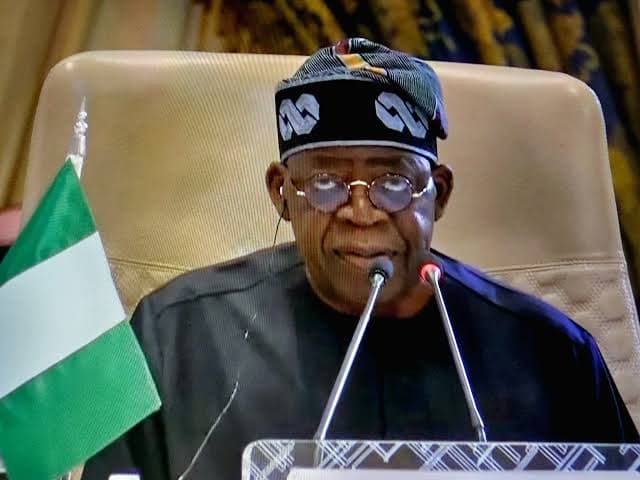
President Bola Tinubu told the opening of the 32nd Nigerian Economic Summit in Abuja on Monday, October 26, that his administration is rewriting what he called the country’s decades-old story of economic underperformance, as lawmakers, ministers and private-sector leaders gathered for this year’s edition.
About the author
Tunde Balogun
Economics Correspondent
Tunde Balogun writes for BusinessPress.
More by Tunde Balogun