NMDPRA Expands Gas Supply Access to Power and Fertiliser Plants Under New Network Code
The Nigerian Midstream and Downstream Petroleum Regulatory Authority has announced a new gas network code that widens third-party access to gas transportation infrastructure for power generation and fertiliser plants, in an aim to deepen domestic gas utilisation, THISDAY reported on October 26.
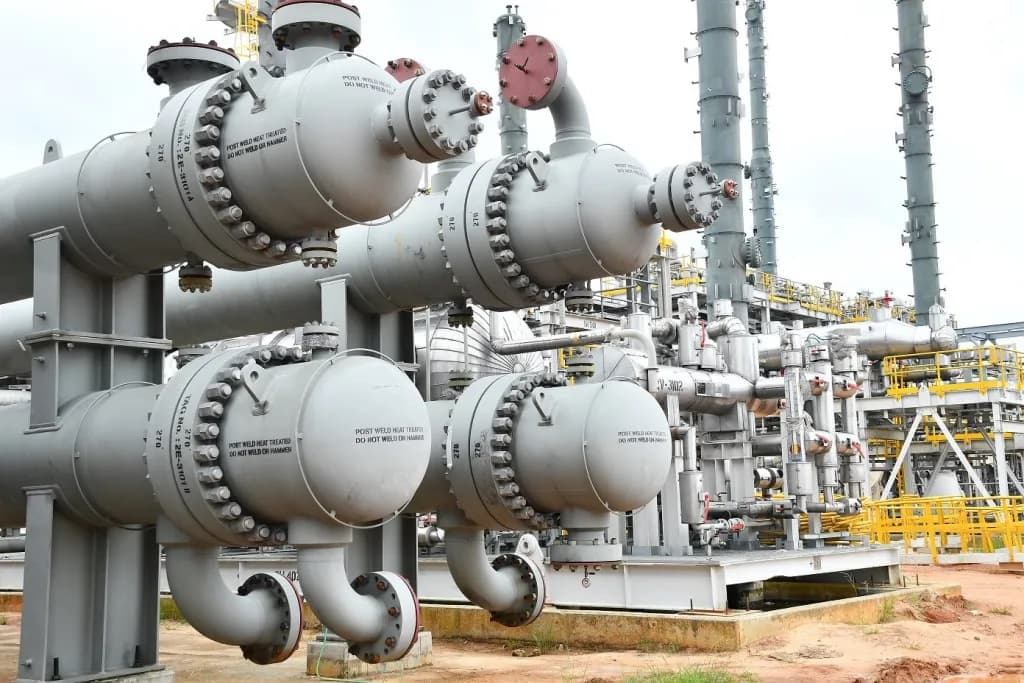
The Nigerian Midstream and Downstream Petroleum Regulatory Authority (NMDPRA) has issued a new gas network code designed to expand access to the country’s gas transportation infrastructure, with power generation and fertiliser manufacturing among the priority user classes the framework targets, THISDAY reported on Monday, October 26, 2026. The regulatory instrument formalises how third-party users can contract capacity on gas pipelines, a step that applies directly to the industrial sectors that consume the largest volumes of domestically processed gas.
The policy logic runs through the Domestic Gas Obligation, the mechanism under which producers must make specified volumes of gas available to the domestic market. Expanding the network code cohort — formalising which industrial and power plants can secure pipeline capacity under standardised terms — is the step that converts the obligation into usable supply. In a market where gas-fired turbines produce the bulk of the national grid’s electricity and where fertiliser plants convert gas to urea for farming and export, pipeline access is the difference between a gas obligation existing on paper and flowing through plant inlets.
Power is the first-order beneficiary. National grid performance remains hamstrung by gas supply interruptions that have repeatedly degraded generation even when installed capacity was available, a problem recent federal disclosures about meter tampering and grid theft compound. Standardised access terms reduce the bilateral friction that has historically slowed gas supply agreements for thermal plants.
[irp][irp][irp][irp][irp]
The Fertiliser Connection Runs Through Food Prices
Fertiliser manufacturers also measure the code’s value in farm economics. Nigeria’s fertiliser plants — anchored by the country’s major urea producers — rely on a predictable gas feed at a price the domestic market can bear, and interruptions or pricing frictions feed directly into crop input costs. The agricultural linkage runs through the farm-gate: cheaper, reliably supplied urea supports planting economics for maize, rice and other staples the government’s food-security programmes target.
The code also positions the midstream to attract the investment the sector’s 2026 outlook demands. Pipeline operators can price access transparently, lenders can assess contracted revenue from third-party shippers, and producers can commit domestic volumes knowing the transportation leg is contractual rather than improvised. In an industry where the country’s known gas reserves rank among the world’s largest, the network code is the piece that lets reserves meet users.
Implementation Is the Real Test
Nigerian regulatory codes are only as consequential as their enforcement, and pipeline access disputes have historically dragged through negotiation rather than resolution. The authority’s challenge will be whether new entrants can actually secure capacity on existing trunk lines at rates that clear the market, or whether incumbent gas suppliers and pipeline operators preserve de facto priority. Investors in gas-fired power and gas-based fertiliser capacity will price the code on that test, not on the announcement.
The macro stakes are legible enough: electricity that stays generated supports the industrial economy that drives the country’s non-oil growth; fertiliser that stays affordable supports the food-supply response to the inflation problem that the Central Bank’s easing programme is built upon. Monday’s development does not deliver either outcome on its own, but it removes a structural speed bump that has constrained both.
Up next
Shettima Says Nigeria’s Economy Is ‘Back on a Clear Path’
Vice-President Kashim Shettima said Nigeria’s economy is back on a clear path, addressing policy leaders in Abuja on Monday, October 26, as government officials defended the record of the reform programme amid fresh evidence of disinflation and equity market gains.
More in Economy
See all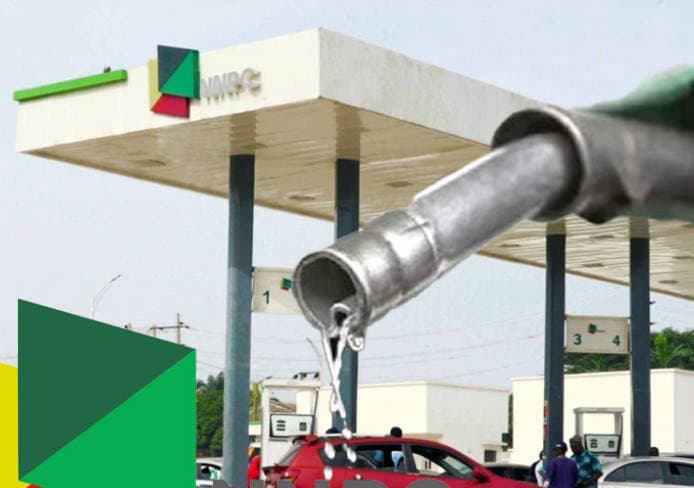
Mixed Reactions Trail FG’s Pump Price Discount at NNPC Filling Stations
Reactions have trailed the Federal Government’s introduction of a discounted pump price at NNPC Limited’s retail stations, New Telegraph reported on Tuesday, October 27, with consumers welcoming the relief while independents and analysts question the scheme’s structure and sustainability.

Tinubu Tells 32nd Economic Summit Government Is Rewriting Nation’s Story of Underperformance
President Bola Tinubu told the opening of the 32nd Nigerian Economic Summit in Abuja on Monday, October 26, that his administration is rewriting what he called the country’s decades-old story of economic underperformance, as lawmakers, ministers and private-sector leaders gathered for this year’s edition.

Bonny Light near $124 revives domestic absorption debate as output holds at 1.7mbpd
With Bonny Light near $124 a barrel and August output around 1.7mbpd, market analysts are renewing the case for committing more Nigerian crude to domestic refining under the naira-crude framework.
About the author
Amaka Obi
Senior Business Reporter
Amaka Obi writes for BusinessPress.