Tinubu Tells 32nd Economic Summit Government Is Rewriting Nation’s Story of Underperformance
President Bola Tinubu told the opening of the 32nd Nigerian Economic Summit in Abuja on Monday, October 26, that his administration is rewriting what he called the country’s decades-old story of economic underperformance, as lawmakers, ministers and private-sector leaders gathered for this year’s edition.
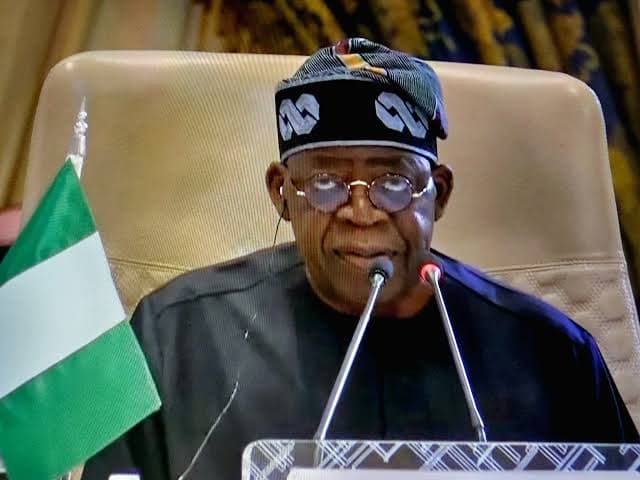
President Bola Tinubu declared on Monday, October 26, 2026, that his administration is rewriting what he described as Nigeria’s decades-old story of economic underperformance, addressing the opening of the 32nd Nigerian Economic Summit in Abuja, THISDAY reported. The President’s message framed 2026 as the year the country’s reform effort moved from crisis management to structural consolidation.
The summit is organised by the Nigerian Economic Summit Group, the private-sector-led policy platform that has convened government and business leaders annually since its revival after the structural-adjustment era, and it remains one of the few formal venues where the federation’s fiscal authorities, sub-national governments and largest wealth-creating companies debate policy in the same hall. Delegates say the 2026 edition is weighing the reform ledger from subsidy removal and exchange-rate unification through to the tax overhaul, energy reforms, and the fresh wave of capital market activity that has defined the year.
The forum’s timing leaves it exposed to the biggest unresolved macro questions of the moment: whether the mild disinflation and naira stability achieved so far can survive the oil-price swings of the US-Iran conflict, and whether the country’s state-owned enterprises will be listed and restructured fast enough to finance the ₦-trillion-scale infrastructure the national plan envisages.
[irp][irp][irp][irp][irp]
The Reform Ledger on the Table
Three metrics dominated private-sector hallway talk at this year’s edition. Inflation, which has eased into mid-teens territory after the rebase, remains the number the government’s critics reach for first: despite the 2026 progress, food inflation is still running at levels the average household experiences daily. The naira’s official-market stability — with the currency trading close to ₦1,331 per dollar on Monday — is the administration’s single most-cited achievement, although parallel-market spreads have re-opened in recent weeks. And crude output, whose averaging to 1.7 million barrels per day for domestic absorption targets was a headline in its own right this month, remains the steering variable for export receipts and the 2027 budget’s revenue assumptions.
Government positions presented at the summit emphasised continuity: state-owned enterprise restructuring down the NGX listing pipeline, the oil and gas reform agenda, plans for the $1 trillion-economy national development framework, and tax policy overhaul that mid-2026 legislation set into motion. Officials used the podium to argue that 2026’s stock-market records — the Nigerian Exchange’s equity capitalisation touched a fresh ₦163.16 trillion high the same morning — validate the reform path.
What the Private Sector Said Back
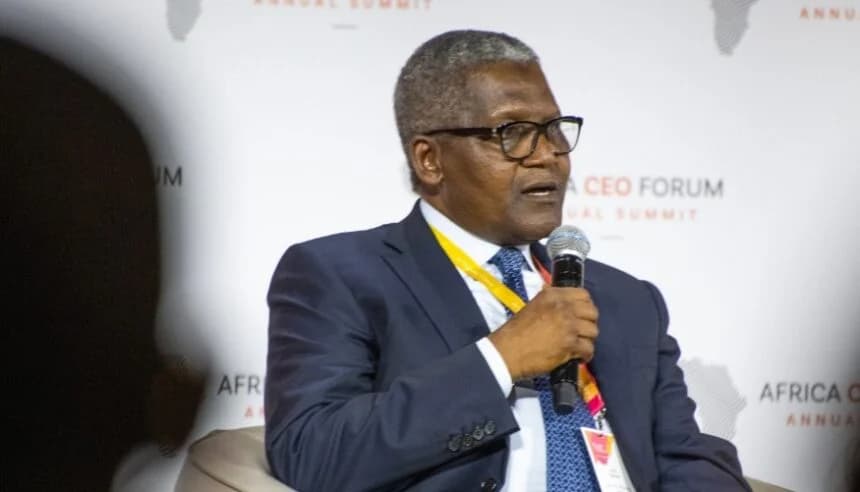
The loudest private-sector counterpoint came from business leaders who used the same stage to demand the next stage of the reform agenda: competitive FX access. Aliko Dangote, the Dangote Group’s president, told the summit that companies should be able to buy dollars through the market at prevailing rates rather than depending on direct CBN allocations, warning that a firm can have all the naira it needs and still be unable to obtain foreign exchange for machinery, BusinessDay reported. The intervention lands at a pivotal time, because the reform-era fixing has produced stability even as corporate buyers of dollars still navigate allocation queues.
Labour and civil-society voices, whose input the summit courts by design, kept pressure on the day’s optimism, pointing to lingering poverty metrics, food costs, and the unfinished subsidy compensations that the reform path must still reconcile. Delegates at the 32nd edition will face the same negotiation their predecessors have: matching the state’s reform ambition to the economy’s distributional reality.
Why the Summit’s Output Matters For Markets
The summit’s communiqué historically reaches the market as signals rather than legislation, but the signals are worth pricing. When NESG editions have produced credible policy roadmaps — power-sector privatisation in past decades, pension reform, tax overhauls — market participants have re-rated domestic assets. Investors will be watching three follow-through metrics in the weeks ahead: whether the government signals the pace of the state-owned enterprise listing pipeline it has floated; whether the FX market receives fresh direction toward deeper two-way liquidity; and whether fiscal authorities give more detail on the ₦-scale infrastructure funding plan experts say the country needs.
For now, the summit opened with the executive’s confidence unshaken. The morning’s equity record on the NGX — a fresh all-time high in market capitalisation with the All-Share Index closing at 251,290.54 points — gave the President’s underperformance framing its most vivid market contrast of the day.
Up next
French Bonds Rally After Moody’s Affirmation While Asia Opens Cautiously Ahead of Fed Week
Global markets steadied on Monday, October 26, as French government bonds rallied after Moody’s affirmed France’s rating and the OAT-Bund spread narrowed to 160 basis points, while Asian equities opened cautiously as oil eased from six-month highs.
More in Economy
See all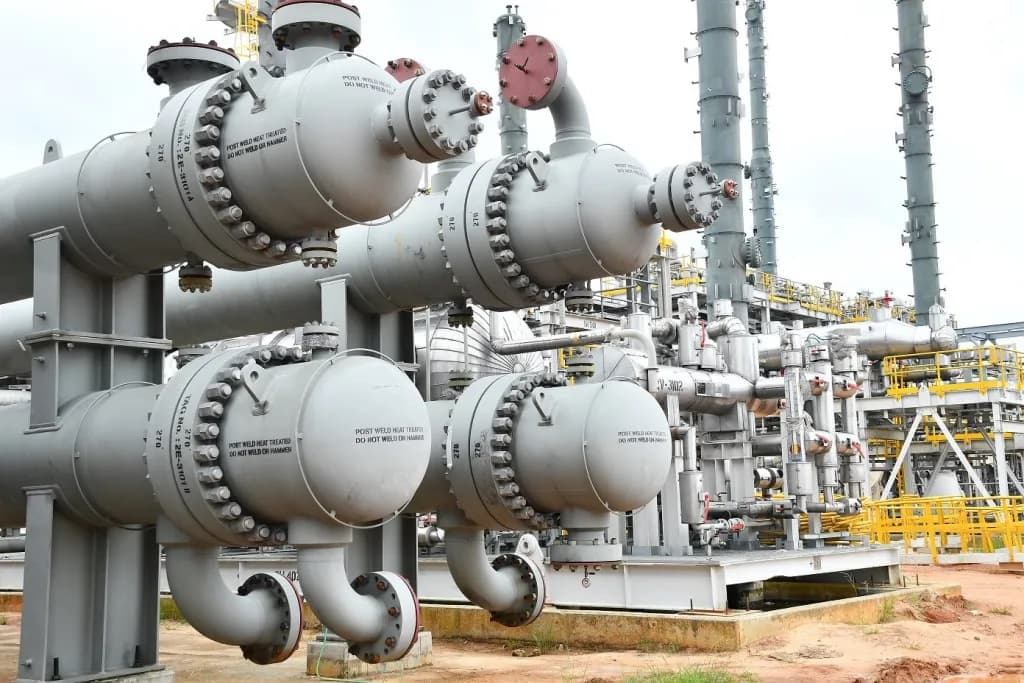
NMDPRA Expands Gas Supply Access to Power and Fertiliser Plants Under New Network Code
The Nigerian Midstream and Downstream Petroleum Regulatory Authority has announced a new gas network code that widens third-party access to gas transportation infrastructure for power generation and fertiliser plants, in an aim to deepen domestic gas utilisation, THISDAY reported on October 26.
PENGASSAN Suspends Planned Nationwide Strike as Oil Firm Moves to Recall Sacked Workers
Oil workers under the Petroleum and Natural Gas Senior Staff Association of Nigeria resolved on Monday afternoon, October 26, to suspend a planned nationwide strike after an oil company moved to recall sacked workers, BusinessDay reported.
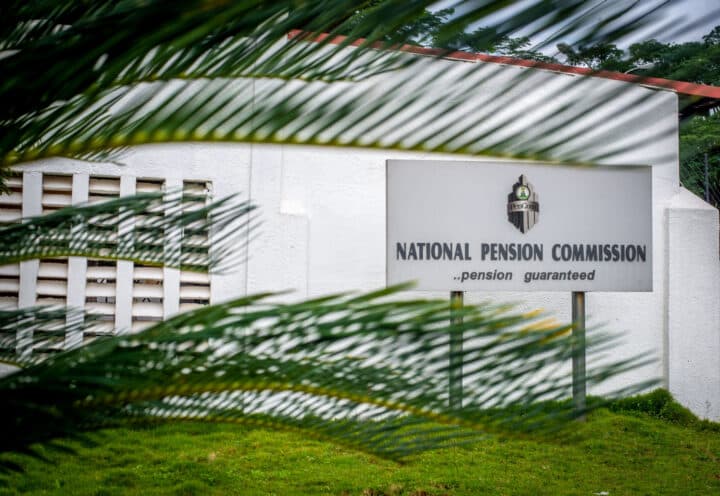
National Pension Week Opens Monday With PenCare Healthcare and Minimum Pension Guarantee in Focus
Nigeria’s maiden National Pension Week opened on Monday, October 26, with the National Pension Commission spotlighting PenCare, its retiree healthcare programme, and the Minimum Pension Guarantee initiative designed to lift incomes for low-income retirees under the Contributory Pension Scheme.
About the author
Tunde Balogun
Economics Correspondent
Tunde Balogun writes for BusinessPress.
More by Tunde Balogun