Markets
VFD profit nearly doubles but comprehensive income grows just 3%
Investment income lifted net profit, while smaller gains outside the income statement and substantial financing costs qualify the improvement.
Adaeze Okonkwo

97 results for “CAP”
Investment income lifted net profit, while smaller gains outside the income statement and substantial financing costs qualify the improvement.
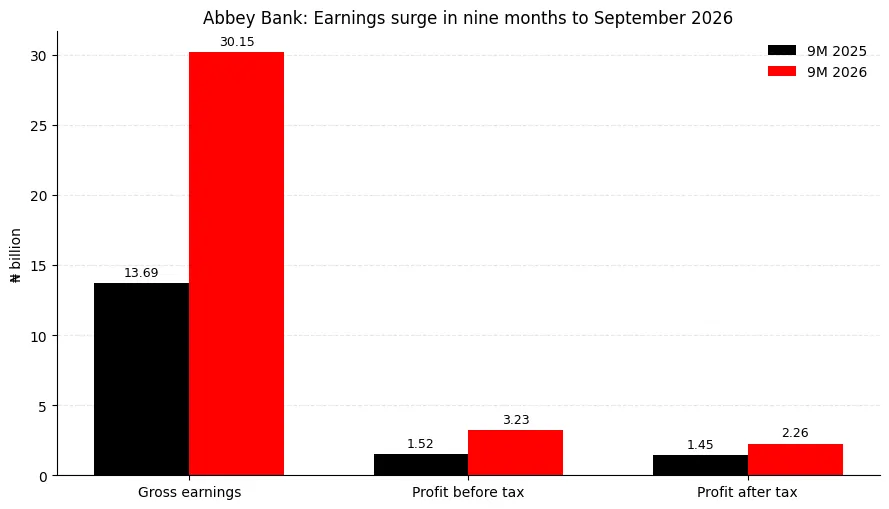
Net interest earnings more than doubled, but reported earnings per share fell against a much larger capital base.

UK-funded institutional support aims to mobilise $2.7 million of Nigerian private capital through a revenue-based financing network.

Operating expenses grew more slowly than sales, improving profitability before a larger tax charge narrowed the gain reaching shareholders.

Recurring connections supported operating growth, while a joint-venture fee and large capital budget qualify the headline earnings picture.
The listed Nigerian marketer earned N5.84 billion, but thin margins and working-capital obligations qualify its nine-month recovery.

Investment income and fees supported stronger profit, while smaller valuation gains reduced total comprehensive income.
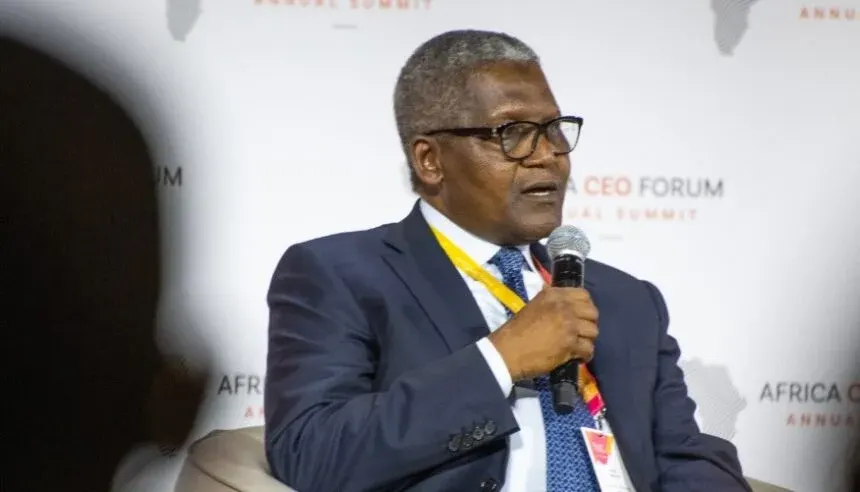
Billionaire industrialist Aliko Dangote told the 32nd Nigerian Economic Summit in Abuja on Monday, October 26, that companies should be able to buy foreign exchange through the market at prevailing rates rather than rely on direct Central Bank of Nigeria allocations, warning that naira cash alone does not solve machinery import needs.
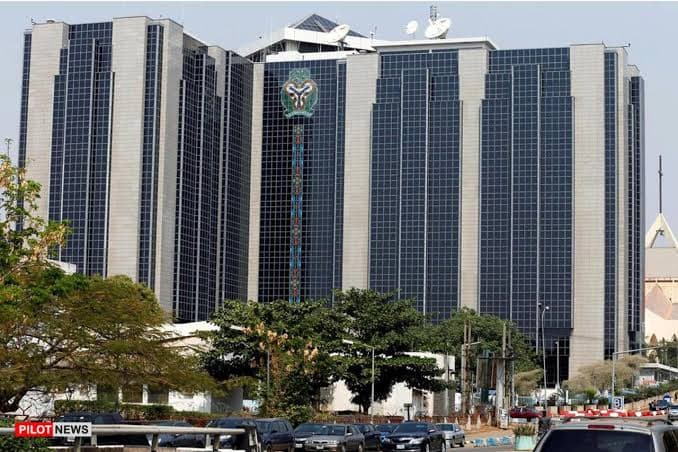
Nigeria’s net foreign exchange flows rose to $22.50 billion in the second quarter of 2026, the highest quarterly level since Q4 2019, according to the Central Bank of Nigeria’s Q2 2026 Statistical Bulletin, Nairametrics reported.
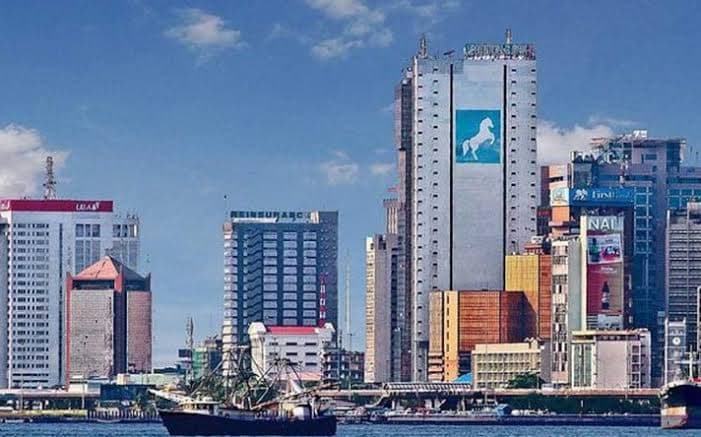
Nigerian banking equities have gained about 79% year-to-date, but the sector still trades at deep discounts to book value, Nairametrics reported on Monday, October 26, following the industry’s recapitalisation wave.
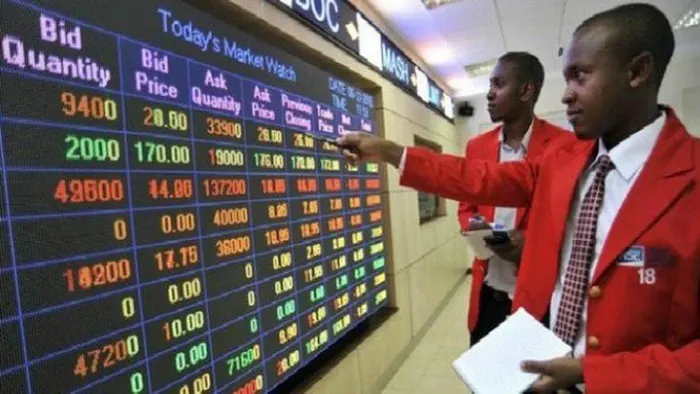
Nigerian equities extended Monday’s recovery on the Nigerian Exchange, with the market capitalisation reaching ₦163.16 trillion and the All-Share Index closing at a record 251,290.54 points, powered by a 10% limit-up day for Dangote Cement.
Fidelity Bank closed Friday, October 23, 2026 at N24.00 after a 9.09% session gain, taking its weekly advance to 14.01% in a week when the ASI dipped 0.13%, as focus shifted from the recapitalisation narrative.

SoftBank-backed OPay is seeking up to $366 million with roughly 16 million ADSs priced at $19-$21, targeting a $4.42bn valuation on the NYSE under ticker OPAY with Stanbic Africa investing up to $200m.
The local appointment signals continuity at a key trade-finance bank as foreign lenders reassess risk, capital and growth in Nigeria.
Digital dollar tokens promise faster, cheaper settlements, but regulation, reserve risk and conversion costs remain unresolved.
The development bank plans a major expansion of industrial finance, but capital, governance and bankable projects will determine success.
Foreign direct investment remains a tiny share of capital inflows, exposing the investment-climate gap behind Nigeria’s growth ambitions.
The new five-year plan prioritises infrastructure, human capital and manufacturing, but its credibility depends on financing and execution.
Regulators hope simpler listings and stronger disclosure will deepen the NGX, but bureaucracy and macro risk remain obstacles.
Fresh buying in banking and industrial counters lifted the bourse, with improved breadth suggesting the rally is broadening beyond a few stocks.
Equity turnover crossed N15.06 trillion between January and September 2026, signalling deeper liquidity even as trading stays concentrated in large-cap stocks.
The extension gives more investors time to participate in a landmark listing that tests African capital-market depth and refinery valuation.
Nigerian equities ended the week higher, pushing market value past N160 trillion on banking and industrial gains, though currency risk remains.
Nigerian Exchange turnover crossed N15.06 trillion in nine months, signalling deeper liquidity but a market still concentrated in large-cap stocks.