
Business
NPA MD warns of AI and cybersecurity risks for African ports at Casablanca conference
Nigerian Ports Authority MD calls for stronger cybersecurity as ports digitise and adopt AI.
Chinedu Nwosu3 min read

22 results for “Ports”
Nigerian Ports Authority MD calls for stronger cybersecurity as ports digitise and adopt AI.
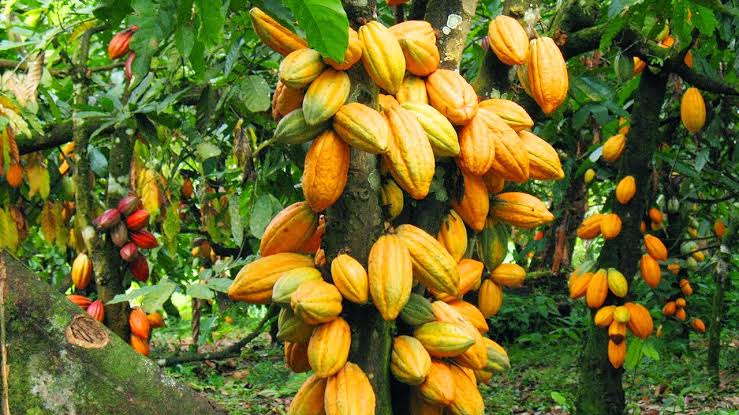
Global cocoa prices have fallen sharply, prompting renewed focus on value addition under the Abuja Declaration.
Progress figures show 2.5 million bags of fertiliser supplied, N20 billion mobilised under the price floor and 1,500 tractors deployed across 23 states, while beneficiary counts reported elsewhere differ.
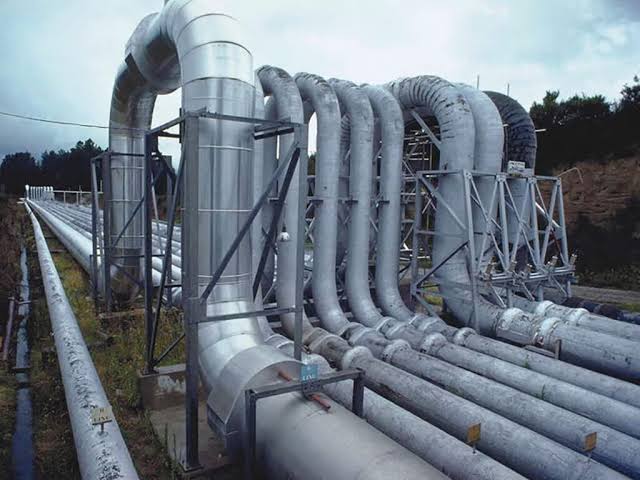
TotalEnergies and AMNI's Ima gas field will feed Nigeria LNG rather than domestic power, as executives warn that export economics keep outpacing gas-to-power and industrial demand.
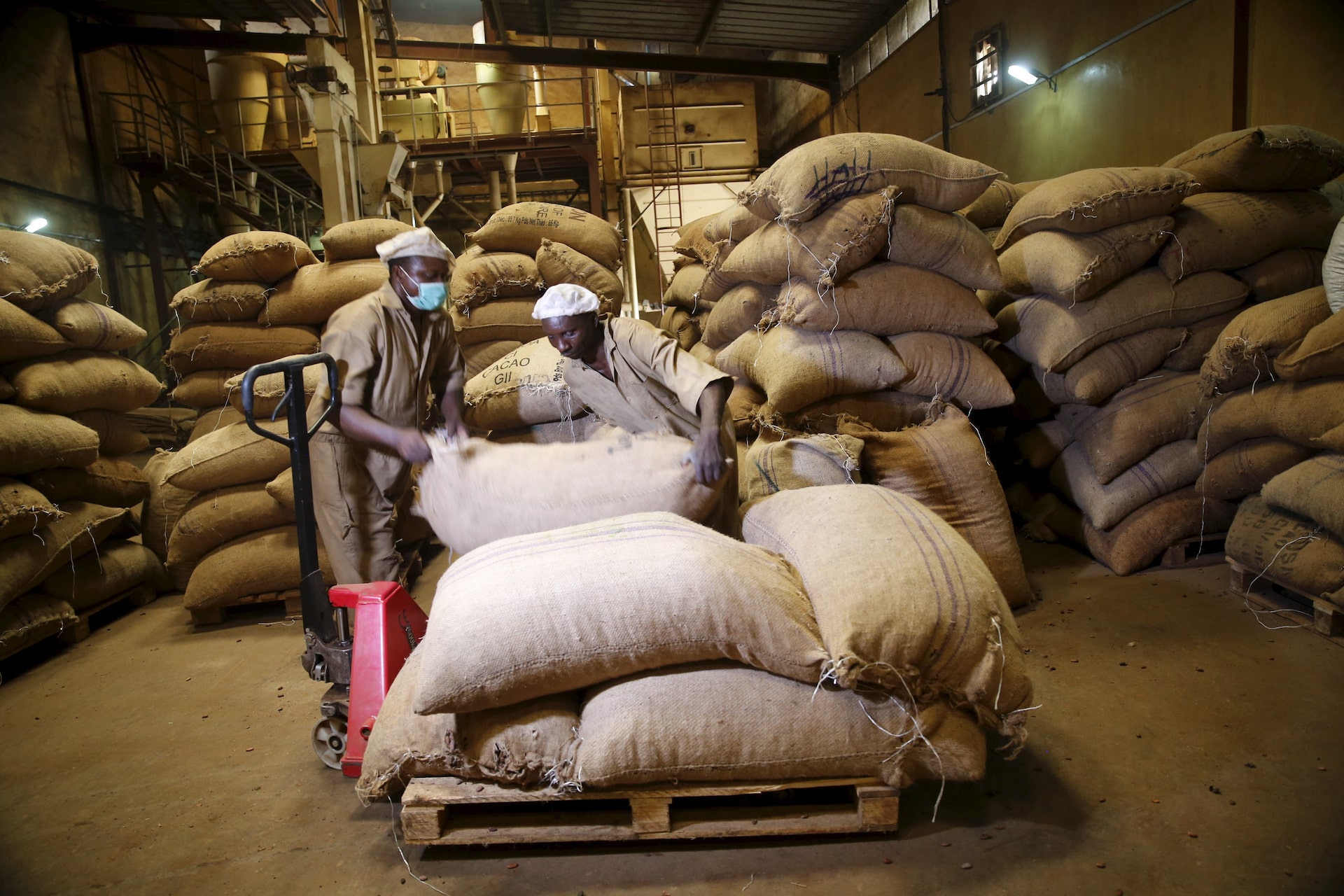
Fertiliser has emerged as a top non-oil export earner alongside cocoa as Nigeria's industrial and agricultural shipments gain momentum in its diversification drive.

Niger has banned exports of petrol and diesel, a move that tightens regional fuel supply and affects the cross-border trade that has long moved petroleum products between Niger and its neighbours, including Nigeria.

Transcorp Hotels Plc posted a N22.53 billion profit before tax as occupancy and room rates held firm across its portfolio, anchored by the Transcorp Hilton Abuja and other properties.

Sunbeth Capital is mobilising about N150 billion through commercial paper issuances to fund operations across Nigeria's cocoa value chain, targeting aggregation, processing support and export readiness.
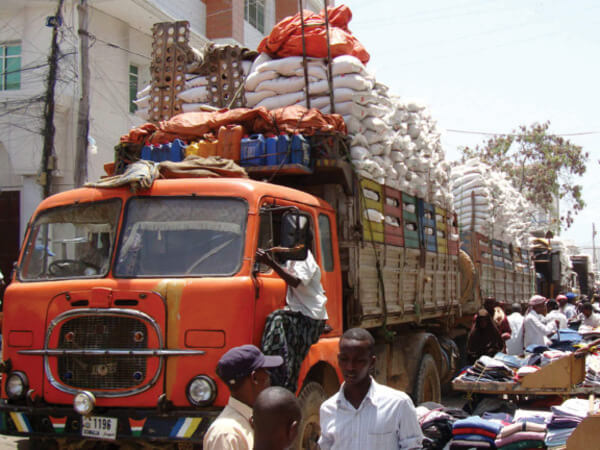
Nigeria's imported food price growth slowed to 9.19 per cent year on year, the weakest pace in six months, as exchange rate stability and softer international food costs reduced pressure on imported staples.

The Financial Times' Big Read on the world's fastest-growing cities reports that Africa's urban centres are set to expand by 19 million people a year, nearly two Londons annually, with growth concentrating in a handful of hubs and spreading in unfamiliar patterns.
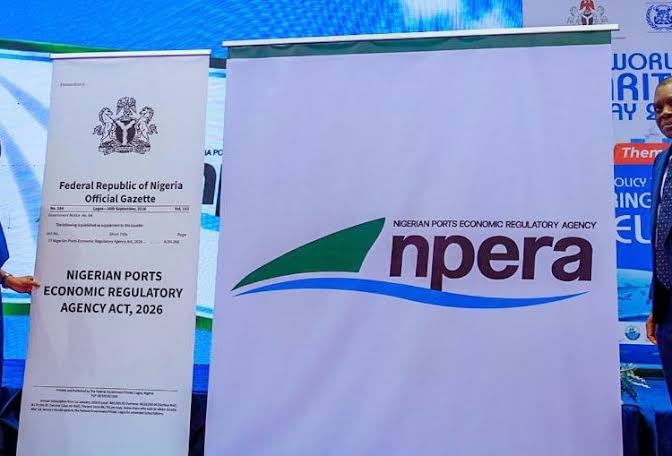
The Federal Government has unveiled the gazetted Nigerian Ports Economic Regulatory Agency Act 2026, directing the immediate constitution of a committee to transition the Nigerian Shippers' Council into an independent regulator of port tariffs, competition and service standards.
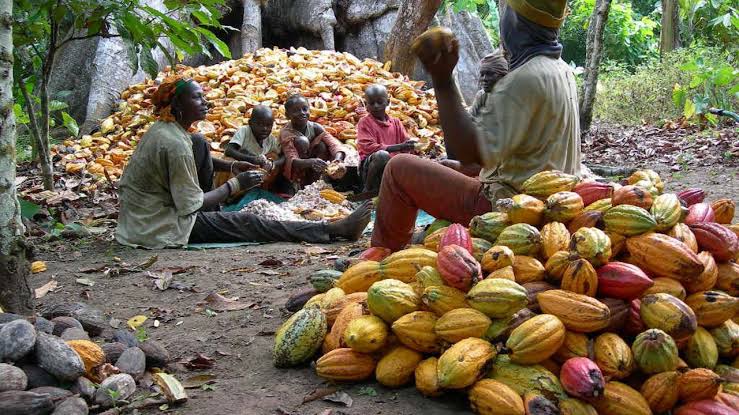
Nigeria uses only about 30% of its installed cocoa processing capacity, losing an estimated $2 billion a year in potential value addition, the Agriculture Ministry disclosed at a Lagos cocoa conference.
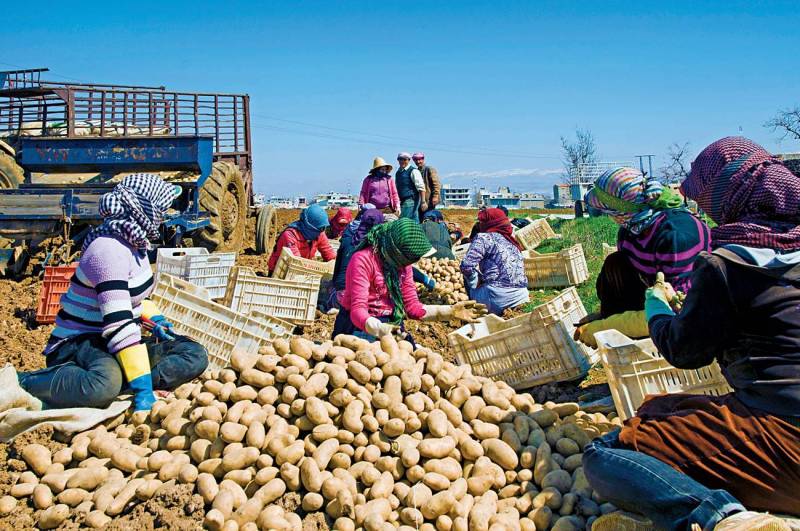
Nigeria's agriculture sector grew 4.39% in the second quarter of 2026, its strongest momentum since 2021, the Federal Government said at World Food Day.
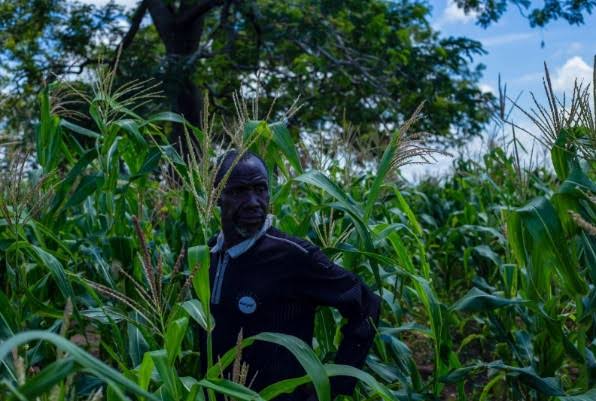
Inconsistent export policies could hurt farmers, says LCCI's Tunde Banjoko, calling for guaranteed offtake, better storage, affordable credit and a commodity board to set benchmark prices.

The country ships raw ore while importing processed products, ceding the industrial and jobs gains that processing would create, industry observers warn.
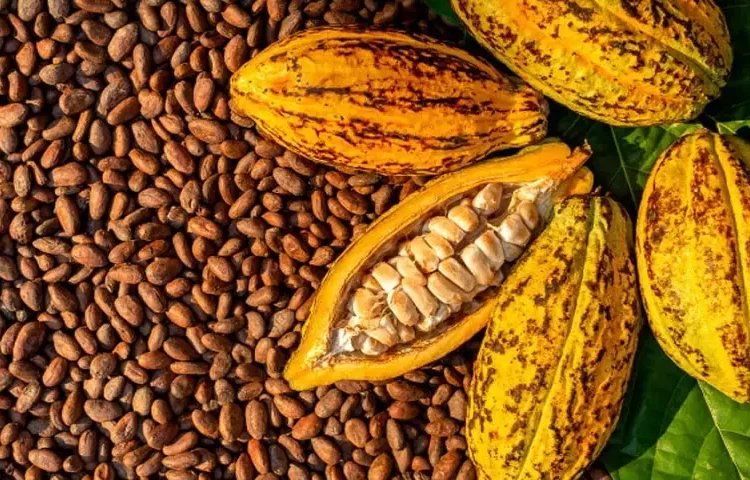
The Agriculture Ministry and NEPC convene stakeholders to advance strategies for lifting Nigeria's cocoa and coffee output, quality and export earnings.
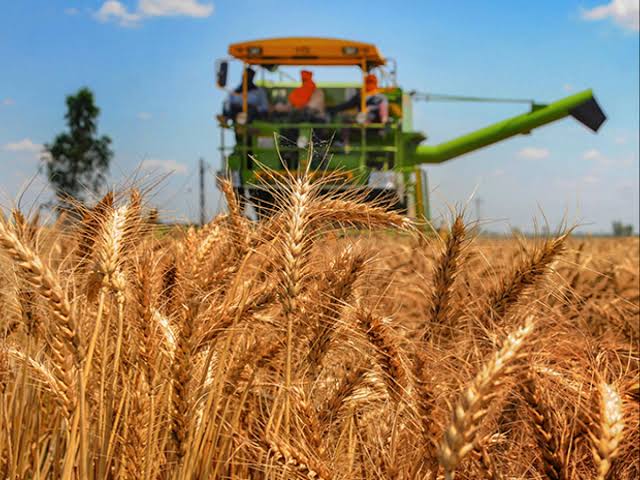
The Federal Government's WHEAT-NESS programme targets value chain development, MSME support and a dedicated fund as annual wheat consumption and imports hit six to seven million metric tonnes.
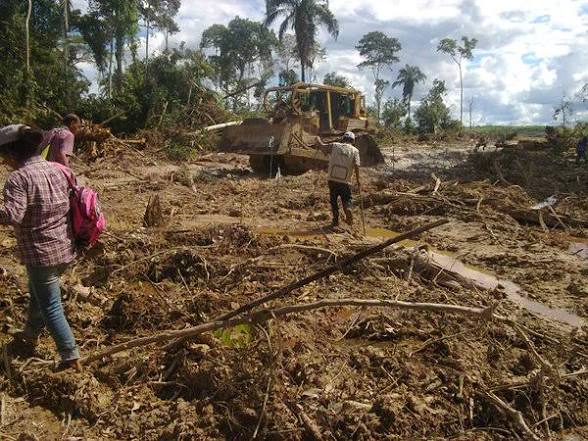
The Nigerian Export Promotion Council warns that exporters could lose more than $1 billion a year if they fail to meet EU deforestation rules, with cocoa most exposed.
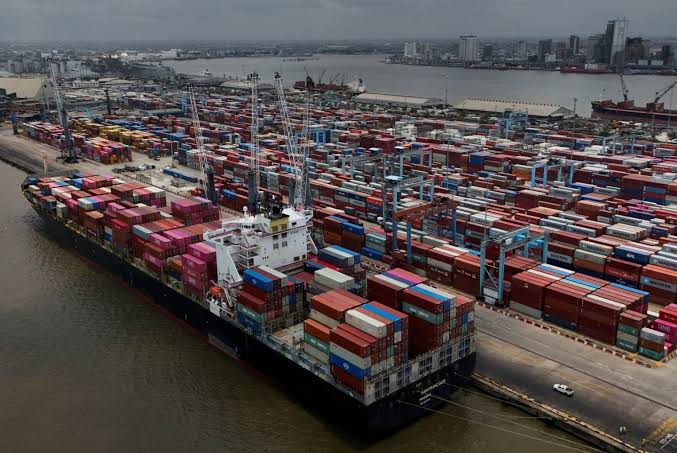
Africa's largest economy posted a record quarterly trade surplus in the second quarter of 2026 as exports outpaced imports, with non-crude receipts now accounting for more than half of outbound trade.
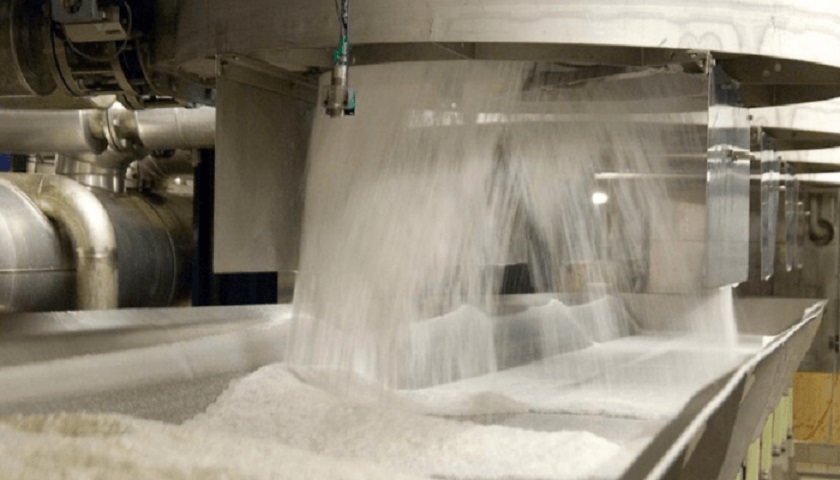
The National Sugar Development Council has unveiled a $7.1 billion, ten-year investment plan to lift annual sugar production above two million tonnes and cut reliance on imports.

Ten greenfield projects form part of a $7.1 billion, 10-year programme that could reduce import demand if financing, farms and factories are delivered on schedule.

The one-month trade shift followed the Dangote refinery's production ramp-up, but it does not establish that petrol imports have ended permanently.