BusinessPress
Markets

Loading market data…

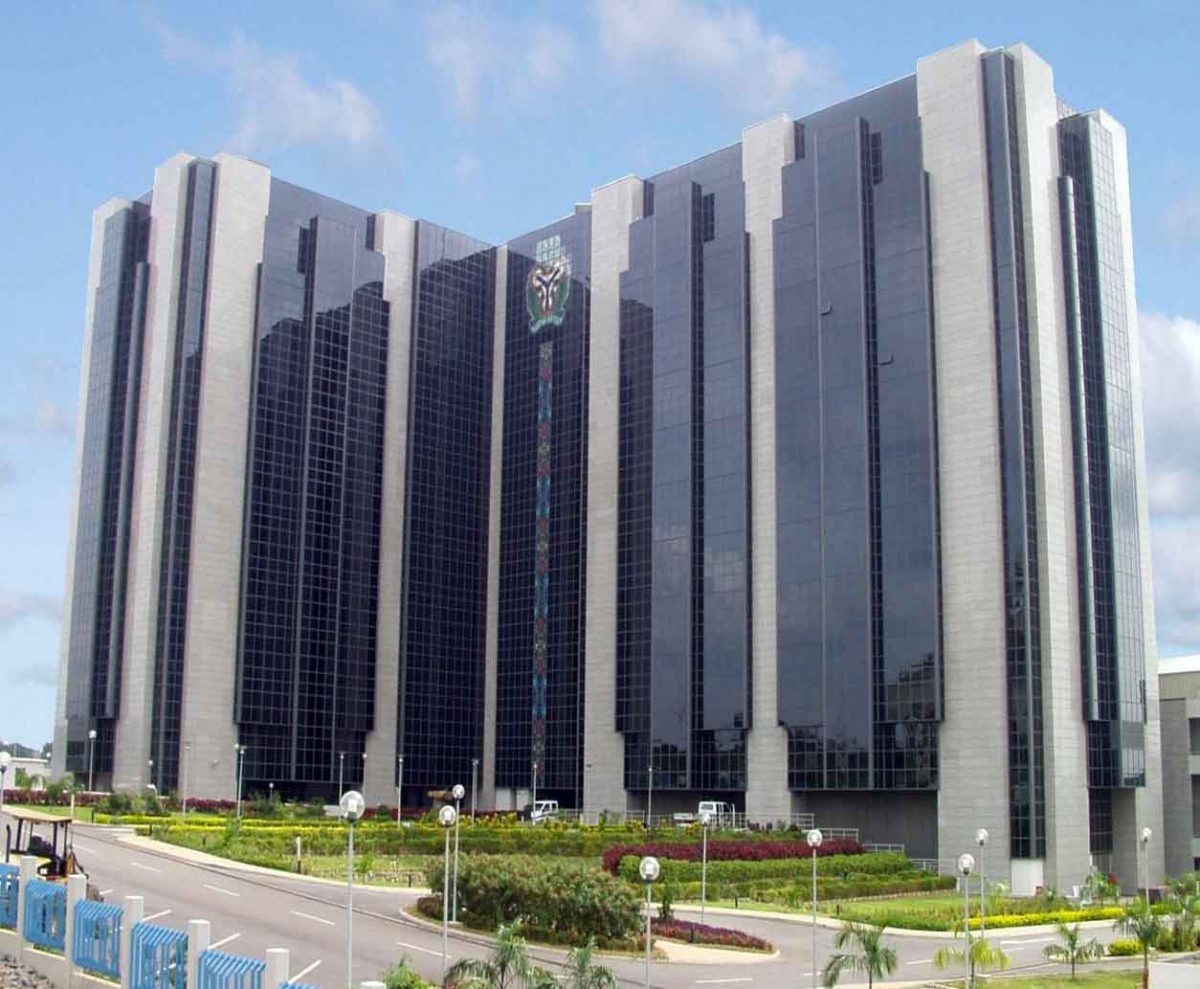
CBN's Liquidity Squeeze Keeps Banks Tight Despite Trillion-Naira Inflows
Finance

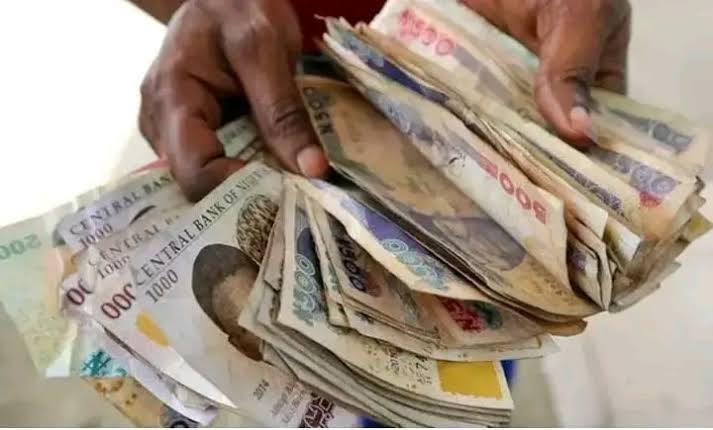
CBN's Liquidity Squeeze Keeps Banks Tight Despite Trillion-Naira Inflows

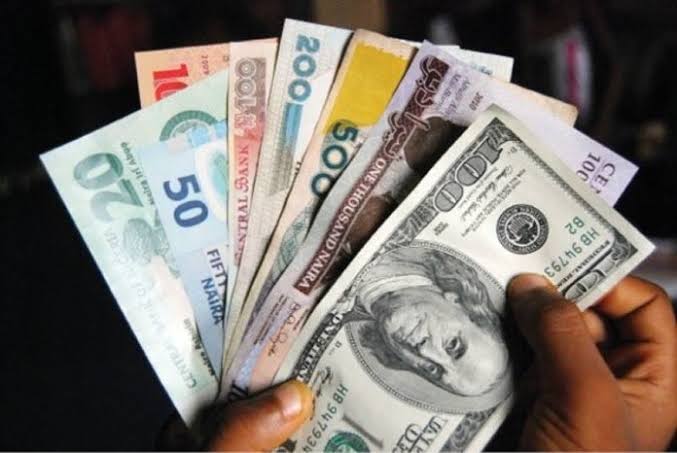
The Central Bank of Nigeria is mopping up excess cash to keep money-market conditions tight, supporting the naira and inflation but keeping borrowing costs elevated.

Musa Abdullahi3 min read

Featured

1/9

Themes appearing most across our coverage.

Economy

See all
Economy

Nigeria Trade Surplus Doubles to N12.6 Trillion in Q2 2026

Africa's largest economy posted a record quarterly trade surplus in the second quarter of 2026 as exports outpaced imports, with non-crude receipts now accounting for more than half of outbound trade.

Nigeria recorded a merchandise trade surplus of N12.60 trillion in the second quarter of 2026, more than double the N6.26 trillion recorded in the same period a year earlier, according to data published by the National Bureau of Statistics.

Tunde Balogun2 min read

Macro indicators — inflation, output and the fiscal balance — appear here only once the newsroom has verified them.

Markets

See all
Indices, FX & commoditiesGlobal Markets rundown

Finance

See all
Finance

NAICOM Begins Final Verification of Insurers Under Recapitalisation Programme

The National Insurance Commission has begun final verification of insurers' compliance with higher capital requirements, with consolidation expected to follow.

Nigeria's insurance regulator has entered the final stage of verifying whether insurers have met the higher capital requirements introduced under its recapitalisation programme, as companies that fell short face the prospect of sanctions, consolidation or loss of licence.

Musa Abdullahi2 min read

Global Market Movement

Major indices, currencies and commodities shaping the business day.

Verified providerFull market rundown →

Business

See all
Business

OPay Files for New York Stock Exchange Listing at $4 Billion Valuation

Nigerian fintech OPay has filed for an IPO on the New York Stock Exchange, targeting a valuation of about $4 billion and planning a secondary listing in Lagos.

OPay, the Nigerian fintech that has grown into one of Africa's largest digital payment platforms, has filed for an initial public offering on the New York Stock Exchange, a landmark move that would make it one of the first Nigerian technology companies to list in the United States.

Amaka Obi3 min read
Read the full report →

Business briefing

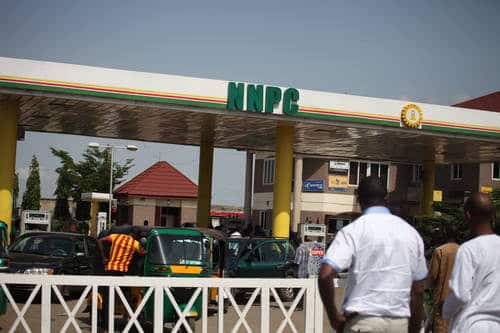
  1. NNPC says October petrol discount does not restore subsidy

    The state oil company's retail arm is giving up its margin for 30 days, offering temporary relief without imposing a nationwide pump price.

  2. Tier-one banks post stronger capital ratios ahead of new thresholds

    Higher retained earnings have lifted buffers, giving lenders room for loan growth.

  3. Manufacturers flag price cuts as input costs ease

    Falling input costs are easing pressure on factory gate prices, but demand remains uneven.

  4. NRS Warns Nigerians Over Fake FIRS Recruitment Advertisement

    Fake recruitment adverts can be distributed through social media posts, messaging groups, unofficial websites and other channels that...

  5. Pension funds shift toward infrastructure assets

    Regulatory changes have widened the menu of long-duration investments available to managers.

Corporate

See all

Technology

See all

Agriculture

See all

Opinion & Analysis

See all
Opinion & Analysis

Will Nigeria's Biggest Rate Cut Unlock Cheaper Credit?

Nigeria's central bank has delivered its largest-ever cut to the benchmark rate. The question now is whether banks will pass it on to the businesses and households that need affordable credit.

The Central Bank of Nigeria's 350 basis point cut to its benchmark rate is the boldest easing move in the rate's history. On paper, it lowers the price of money. In practice, whether it lowers the price of credit for a small business in Aba or a household in Ibadan depends on a chain of decisions that begins with the banks and ends with the borrower.

The monetary policy rate is not the rate at which anyone actually borrows. It is the rate at which banks can place money with the central bank, and it anchors the yield on treasury bills and bonds. When that anchor falls, government securities pay less, which reduces the incentive for banks to park money in risk-free assets and should, in theory, push them toward lending.

“A rate cut changes the cost of credit. It does not by itself change the willingness of banks to lend or of businesses to borrow.”
Amaka Obi3 min read
Read the column →

Editor's Picks

Selected by the newsroom — not ranked by readership.

Loading more stories…

Explore sections

Every desk at BusinessPress, in one place.

The BusinessPress Morning Brief

Business, finance, economy and market news from BusinessPress, delivered straight to your inbox.

You can unsubscribe at any time. See our privacy policy.

Read our privacy policy.